How Belinda Balluku is fabricating the rumor about Top Channel's...
/ 2026-10-19 16:19:00Focus


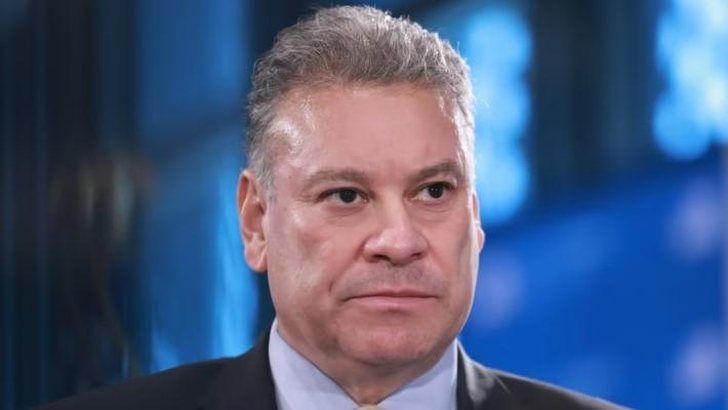
The American and European envoys for the Western Balkans, Gabriel Escobar and Miroslav Lajcak, are expected to stay on Monday in Belgrade and on Tuesday in Pristina, to urge the parties to take steps to escalate the situation in northern Kosovo, where for more than a week protests are being held in front of municipal buildings.
Western diplomacy is continuing calls for Kosovo and Serbia to commit to restoring calm in the northern Serb-majority municipalities of Zveqan, Zubin Potok and Leposaviq, where on Sunday smaller numbers of Serbian citizens gathered in front of municipal buildings to protest entering the offices of the Albanian mayors in their offices.
The United States and the European Union ask Kosovo to remove special police units from municipal buildings, the temporary relocation of new mayors to other alternative offices and the organization of new elections as soon as possible. Meanwhile, Serbia is required to withdraw the Serbian armed forces stationed near the border with Kosovo and reduce the state of readiness, maintain the peace of the protesters in the north and ensure the participation of Kosovo Serbs in new elections.
The European Union on Saturday warned that failure to take steps to defuse the situation will have negative consequences for both sides.
Supporting such demands, on Saturday, the head of the Organization for Security and Co-operation in Europe, Bujar Osmani, published a nine-point guide to ensure de-escalation and normalization, peace and stability in Kosovo, which calls for Kosovo and Serbia to reaffirm pledges to implement the Brussels and Ohrid agreements.
The guide states that the elected mayors of the municipalities in the north must resign during the summer to pave the way for new elections to be held by the end of the year.
The head of the OSCE said that his organization will support the electoral process and the increase of trust between the communities.
Under Western pressure, the leaders of Kosovo and Serbia have agreed that new elections should be held in the northern municipalities inhabited by a majority of Serbs, but have accused each other of the situation on the ground.
Tensions in northern Kosovo followed the April 23 elections, which were boycotted by Serbian parties. The candidates of the Albanian parties were elected mayors of the municipalities and their sending to the municipal offices provoked the reaction of the Serbian side that jumped into protests which turned violent on Monday causing the injury of 30 members of KFOR and inciting concerns about the renewal of conflict in the region.
NATO said an additional 700 troops would be deployed in Kosovo and more troops are ready to join the peacekeeping force if needed.
The Turkish Ministry of Defense said today that it has sent commando troops to Kosovo in response to NATO's request. Accompanying the sight of the troops on the way, the minister said that the battalion of the 65th Mechanized Infantry Brigade has left for Kosovo./VOA