How Belinda Balluku is fabricating the rumor about Top Channel's...
/ 2026-10-19 16:19:00Focus


In a Europe weary of war and divided by fear, Belgium – a small country of 12 million people – has become the actor that could decide the fate of Ukraine.
The new Prime Minister Bart De Wever, a sharp, ironic and nationalist Flemish figure, is blocking the EU's plan to use hundreds of billions of euros of frozen Russian assets, which are mostly held at Euroclear in Brussels.
This single decision has thrown European politics into chaos, weakened Ukraine's position, and sent a signal of discord toward Moscow – at a time when Vladimir Putin is seeking to exploit every rift between the Euro-Atlantic allies.
The dinner where it was realized that everything had gone wrong
On October 23, EU leaders arrived in Brussels in pouring rain, ready to give Volodymyr Zelensky a colossal handout: a €140 billion loan, secured by frozen Russian assets. But as soon as the leaders sat down for lunch, the debate took an unexpected turn.
When the langoustines (a seafood delicacy in European countries) were served, it became clear that Belgium would not allow anything. De Wever called the plan “completely crazy” – warning that the legal risk of Russian retaliation against Euroclear would fall exclusively on Belgium.
From that day on, Belgium became a barricade that neither Ursula von der Leyen nor Europe's most powerful leaders could breach.
The German Chancellor who "spoils the game"
Multiple sources in Brussels indicate that tensions flared as soon as the new German Chancellor, Friedrich Merz, publicly floated the idea of using Russian assets – without warning Belgium.
His statement "scared the Belgians", who were in delicate technical negotiations with the Commission.
This also explains De Wever's anger at the October summit, where he demanded a redrawing of the final conclusions by midnight, removing every line mentioning Russian assets.
From Waldorf Astoria to Euroclear – American pressure
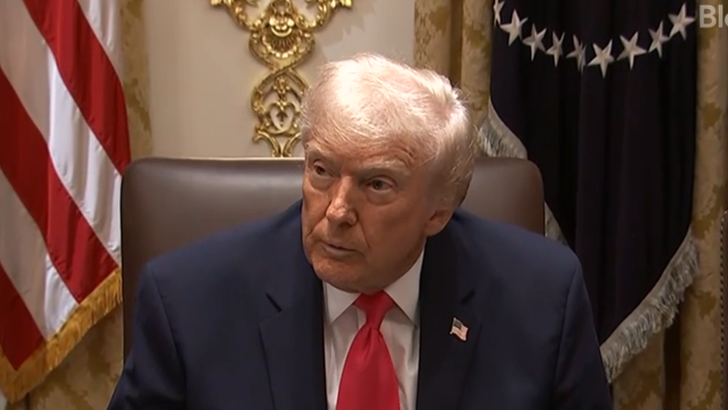
Meanwhile, Donald Trump's US is applying other pressure from abroad. Trump wants a quick peace deal between Ukraine and Russia - and has his eye on frozen assets.
According to diplomats in Washington, the initial American plan called for the assets to be returned to Russia after a peace agreement and for the US to receive 50% of the profits from the Ukraine reconstruction fund.
For many European capitals, this was a red alert: if Europe does not act quickly, Trump will set the path to peace on Putin's terms.
Divided Brussels: when one country becomes a continental problem
Despite pressure from allies:
– Zelensky is approaching the financial abyss.
– Russia is intensifying attacks.
– Trump is pushing the Ukrainians towards an unfavorable deal.
– Bart De Wever keeps saying: “Not today, not tomorrow, never.”
He argues that Belgium cannot risk the stability of the eurozone, the reputation of Euroclear, or face a bill of hundreds of billions if Russia wins in court.
As if that weren't enough, Belgium has also reported incidents of suspected Russian drones over its military bases – a hybrid warning that only strengthens the prime minister's position.
Orban, the internal danger and Europe's fear
Another ticking time bomb is Viktor Orbán. Sanctions freezing Russian assets must be approved every six months.
If Orbán withdraws, the assets could be immediately unfrozen – leaving Belgium legally exposed.
This turns the issue from a financial debate into a deep political crisis.
"Winter is here" – and the EU is coming in divided
Friedrich Merz put it bluntly: "Ukraine urgently needs help. Russian attacks are increasing. We are already in winter."
But so far, neither Merz, nor von der Leyen, nor Costa have managed to convince De Wever.
Instead, Belgium is seeking:
– or direct grants from state budgets (something most countries refuse),
– or joint EU debt (something that Germany and other “savers” oppose),
– or a still unclear third plan.
As the December 18 summit approaches, the question is existential: Can the EU unite when history knocks on the door?
Taken with abbreviations from Politico.eu