How Belinda Balluku is fabricating the rumor about Top Channel's...
/ 2026-10-19 16:19:00Focus


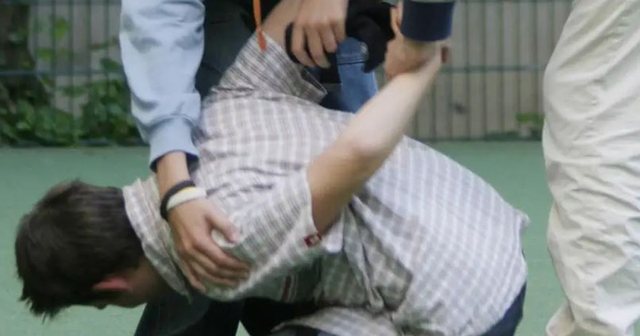
The 15 and 17-year-olds, who identified themselves with the terrorist organization "Islamic State" (IS), planned to kill as many people as possible with a truck.
Their target was the Christmas market in Leverkusen.
Two days before the planned attack, the teenagers were arrested after police learned of their online conversations. The minors, who are originally from Afghanistan and the Russian autonomous republic of Chechnya, were sentenced to four years in prison in 2024.
Cases like this are increasingly worrying German security agencies.
The Federal Criminal Police Office (BKA) in Germany has recorded an increase in violent crimes for years.
The number of suspects as juvenile offenders (up to 17 years old) has increased by almost a third since 2019. While the number of suspects as children (up to 13 years old) has increased by two-thirds in Germany.
In its latest police crime statistics, the BKA notes possible reasons for this trend: “There are indications that psychological stress in children and adolescents has been increasing for several years. Although psychological stress is not a direct cause of criminal behavior, it, in combination with other unfavorable factors, may increase the likelihood of committing (violent) crimes.”
Risk factors – war, climate change, pandemic
The main risks are considered to be violence in one's family, lack of parental love, poverty and anxiety about the future, combined with multiple social crises such as war, climate change and the corona pandemic.
The Federal Criminal Police Office considers those minors who have fled their homeland to be particularly vulnerable.
Alone and without prospects, they hope to find answers to questions about the meaning of life on the Internet.
This often leads them to websites of religious or political extremists. This increases the risk of them becoming extremists themselves.
For more than 20 years, the Violence Prevention Network (VPN) in Berlin has been working with such people - children, adolescents and young people. The NGO is also an important partner for German security agencies when it comes to deradicalization.
The Middle East conflict as an accelerator
VPN CEO Thomas Mike warns of a growing lack of communication with children and young people. From running workshops in schools on the Middle East as a topic, he knows how quickly emotional situations can arise. That's why he emphasizes that conversations with and between young people in a safe environment are important to prevent them from going down the wrong path.
"They can tell each other things that they have a hard time telling adults," Mike points out.
Kjo lejon diskutim dhe i hap ata ndaj perspektivave të tjera. "Nëse e humbasim këtë mundësi për komunikim, atëherë ekstremistët kanë fituar", thotë ai.
Propaganda në TikTok dhe platforma të tjera
Pasojat e mundshme të lëshimeve të tilla përmenden edhe në raportin e BKA-së për vitin 2024: "Në vitet e fundit, është vërejtur se krimet e dhunshme të ekstremistëve të krahut të djathtë shpesh paraprihen nga radikalizimi në internet."
Sipas raportit, nuk është vetëm konsumimi i propagandës në platforma të tilla si Instagram ose TikTok që luan një rol, por edhe rrjetëzimi shpesh edhe ndërkombëtar, me njerëz me të njëjtat mendje në kanale online si Telegram ose Discord.
"Me pragun e ulët të aksesit dhe disponueshmërinë e kudondodhur, interneti u ofron të rinjve një hapësirë virtuale lehtësisht të aksesueshme për rrjetëzim dhe shprehjen e pikëpamjeve mizantropike dhe të dhunshme”, përfundon Zyra Federale Gjermane për Mbrojtjen e Kushtetutës.
Raporti i BKS citon grupin "Jung & Stark” (JS) si shembull, i cili u bë i njohur në vitin 2024 përmes llogarisë së tij në Instagram. "Ky grup i ekstremit të djathtë, i ndarë nga skenat ekzistuese rajonale dhe kombëtare të ekstremit të djathtë dhe i formuar në një periudhë të shkurtër kohore, përfaqëson një pikë hyrjeje në ekstremizmin e krahut të djathtë për shumë të rinj, disa prej të cilëve janë të mitur”, thuhet në raport.
Anëtarët e JS shënjestruan edhe "armiqtë” për manipulim. Midis tyre janë, ndër të tjera, "Antifa” e krahut të majtë dhe lëvizja LGBTQ+.
Si të bëhesh i aftë për dialog?
Sipas vëzhgimeve të Rrjetit për Parandalimin e Dhunës, po bëhet gjithnjë e më e vështirë të nxirren fëmijët dhe të rinjtë e radikalizuar nga kufijtë e "eko-dhomave” të tyre virtuale.
Feride Aktaş, nga departamenti i “Ekstremizmit të Motivuar Fetar” është më e shqetësuar se kurrë për diskursin politik dhe shoqëror: "Kemi arritur në një pikë ku jemi aq larg njëri-tjetrit saqë së pari duhet të bëhemi përsëri të aftë për dialog.”
Për ta arritur këtë pikë, thekson Aktaş, është e nevojshme të mos i ndash menjëherë të rinjtë në kategori për shkak të deklaratave të tyre të dyshimta, por t'u adresohesh emocioneve të tyre.
Kur familja dhe shkollat dështojnë
Ajo thotë se në bisedat me të mitur të radikalizuar, edhe në vitin 2025, përjeton se pasojat e pandemisë së koronavirusit ende po luajnë një rol.
Ajo shpesh dëgjon se askush nuk ishte aty për ta - as në shtëpi as në shkollë. Vajza dhe djem të tillë, thotë ajo, janë të vetmuar edhe kur janë në një grup.
"Dhe pastaj ata gjejnë lidhje në grupe që në mënyra të ndryshme mund t'i tërheqin ata në ekstremizmin e krahut të djathtë ose në islamizëm", thotë Aktaş.
Her colleague Thomas Mike highlights the fundamental problem many parents face - that they don't recognise that there is a risk of their children being radicalised. That is why, she says, it is even more important to contact counselling centres if you have any doubts. "We monitor the situation very carefully and immediately engage in conversations with parents," says Mike.
"High-risk individuals"
The Violence Prevention Network has processed 431 "danger-related" cases over the past ten years. These individuals are assessed as dangerous to themselves and others, Mike explains.
According to him, 75 of them are "high-risk individuals" who pose a particularly high threat to public safety.
A similar situation applies to 65 radicalized young people who joined the terrorist group "Islamic State" and then returned from Syria.
Mike measures the success of his work by the rate of recidivism among the young people he works with to find a way out of extremist environments. The result is very encouraging: Out of 431 boys and girls, only two were recidivists./DW