Is this police force professional and capable of handling violen...
/ 2026-10-16 18:54:07Focus


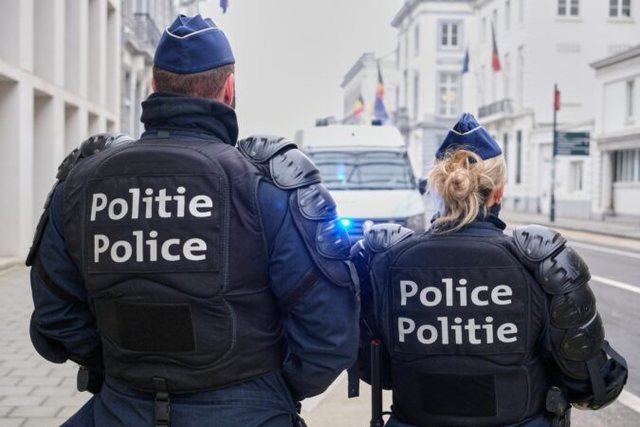
Belgium entered the first day of a three-day general strike on Wednesday, expected to paralyze transport, public services and the private sector, in protest at Prime Minister Bart De Wever's government's fiscal reforms. Unions have called the package a "destruction of the welfare state", accusing the government of burdening citizens with the cost of budget austerity.
Since Sunday, the public railway company SNCB has reduced services to a minimum, and today only one in two or three trains is in operation. The rest of public transport is also paralyzed, while the Eurostar lines connecting Brussels with Paris are expected to be significantly affected. On Tuesday, the strike will extend to schools, nurseries, post offices, waste collection services and a large part of the health system. Public transport will continue to operate intermittently.
The peak of the mobilization is expected on Wednesday, when the main sectors of the private economy will also join in. Brussels and Charleroi airports warn that there will be no flight departures, due to strikes by ground staff and security personnel. Arrivals will also be severely affected.
The center-right government has announced austerity measures aimed at saving 10 billion euros by 2030, at a time when Belgium is among the most indebted countries in the European Union and faces EU demands to respect deficit and debt rules. At the same time, the country must significantly increase military spending in line with NATO commitments.
Protests against the reforms have intensified in recent months. In October, around 100,000 people marched in Brussels against the government's package, and the new wave of strikes shows the growing pressure on the De Wever cabinet. In the coming days, Belgium faces its biggest union paralysis in years.