Is this police force professional and capable of handling violen...
/ 2026-10-16 18:54:07Focus


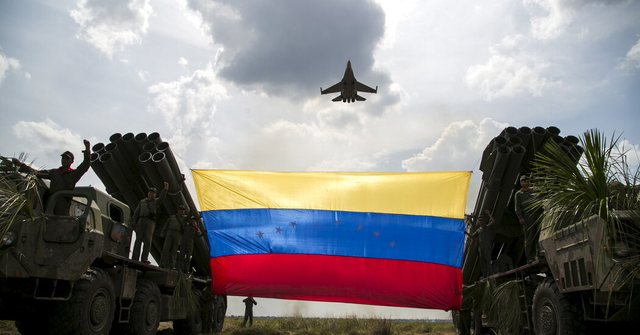
American adversaries are unlikely to help Venezuelan President Nicolás Maduro avoid a coordinated attack. But they have made his overthrow more difficult.
By Anatoly Kurmanaev – New York Times
Cuban bodyguards, Chinese radars, Iranian gunboats and Russian missiles.
The Venezuelan government has spent billions of dollars over the years on weapons and security services from America's enemies, as it has deepened its conflict with the United States.
Now, President Trump's threats to escalate the conflict are testing these alliances.
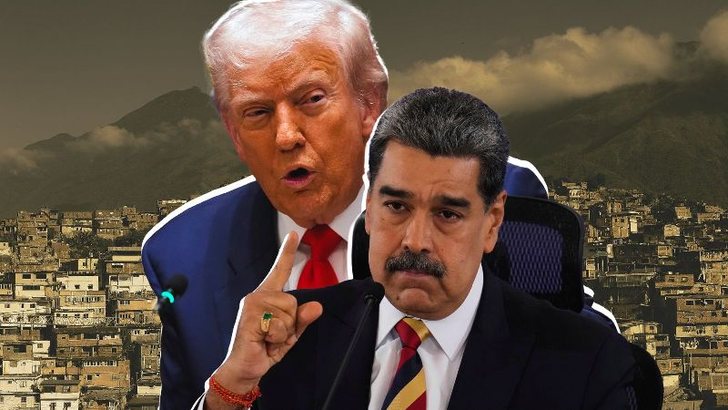
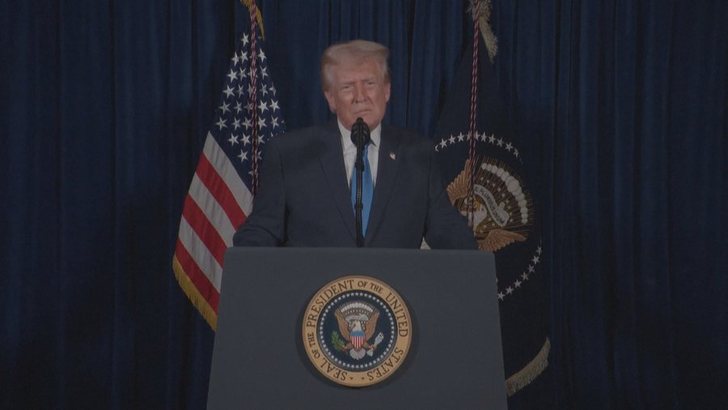
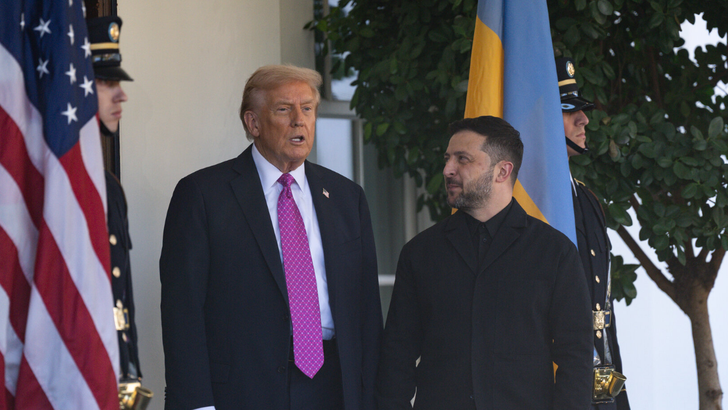
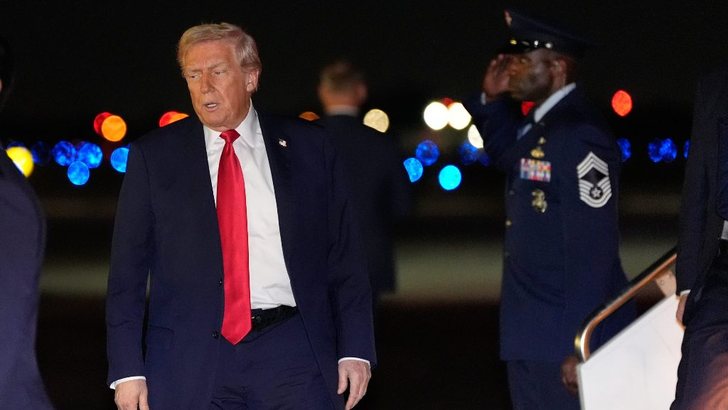
The United States has massed about 15,000 troops and some of its most modern warships in the Caribbean, has called Venezuelan President Nicolás Maduro illegitimate and declared him the head of a terrorist drug trafficking organization. On Monday, Trump made the clearest connection yet between the military buildup and Maduro’s stance, telling reporters that he was “not in love” with Venezuela’s leadership.
“We just have to take care of Venezuela,” he added. In recent weeks, Trump has vacillated between suggesting immediate attacks on Venezuela and engaging with Maduro through diplomacy.
Few people in Washington or in Caracas, the Venezuelan capital, expect the Venezuelan military to withstand a concentrated attack by American military power, if that is what Trump chooses.
None of Maduro's allies have the ability or political will to increase their support in a way that would fundamentally shift the balance of such a conflict in Venezuela's favor, according to analysts and people close to the Venezuelan government.
These alliances have always been driven more by economic gain than ideological proximity, although they have played an important role in keeping Maduro and his mentor and predecessor, Hugo Chávez, afloat during periods of crisis.
Tens of billions of dollars in Chinese loans kept the governments of Chávez and then Maduro afloat after Western lenders all but stopped working with Venezuela. Russian oil traders have played a crucial role in keeping Venezuela’s main export flowing since Trump imposed harsh economic sanctions on the country during his first term.
Iranian engineers helped prevent the complete collapse of Venezuela's oil industry during the country's prolonged economic crisis. And tens of thousands of Cuban doctors and workers provided social services during the periods of constant strikes and mass protests that characterized the early years of Chávez's rule.
But Venezuela's strategic value to its allies has waned, along with the sharp decline in gross domestic product since 2014. Maduro's empty coffers have made him a risky borrower and a poor buyer of goods and services.
Recent geopolitical earthquakes have placed additional strain on these ties.
Governments in Havana, Moscow and Tehran have been weakened or distracted by economic crises or wars at home, reducing the amount of resources they can spare to project force abroad, analysts said.
Many of Maduro's allies are pursuing their own high-risk diplomacy with Trump and are unlikely to risk their domestic objectives to support an ally facing low odds, analysts said.
This has been particularly evident in Maduro’s relationship with President Vladimir Putin of Russia. The Kremlin responded to the growing pressure on Venezuela by ratifying a vague “strategic partnership and cooperation treaty” last month, but has refrained from publicly committing any new resources to its key South American partner.
Russian analysts said Moscow's decision to largely stand by as its allies in Iran and Syria were attacked this year shows the limits of its geopolitical reach.
An old Russian cargo plane (with a history of traveling to countries with a Russian military presence) stopped in Caracas on October 30, according to flight tracking data. But it is not clear whether the plane was carrying additional military equipment or personnel, whether it was participating in scheduled maintenance work on Russian-made weaponry, or whether it was part of a show to give the impression of support at minimal cost.
Another Russian military plane made a similar trip to Caracas in 2019, the last time Maduro faced imminent danger of losing power, raising similar questions about its cargo. The Kremlin has not commented on either trip.
“Maybe they can come and fix something, fly in some spare parts,” said Ruslan Pukhov, a Moscow-based expert on the Russian arms trade, referring to Russia’s current support for Venezuela. “But I think the main message is that Venezuela is alone.”
However, Maduro's alliances have strengthened his ability to hold on to power by giving him access to foreign markets and military technology that could cause losses, if not defeat, US troops.
While China has refrained from providing new loans to Venezuela, it has kept its market open for Venezuelan oil. China now buys most of that oil, making it the largest contributor to Maduro's coffers.
Cuba, which is experiencing an economic collapse, still contributes what is perhaps its most valuable expertise, counterintelligence.
Since the start of the US military buildup in the Caribbean, Maduro has increased the number of Cuban bodyguards in his security detail and expanded the work of Cuban counterintelligence officers in the Venezuelan armed forces to reduce the risk of a coup, according to a person close to the Venezuelan military, who requested anonymity to discuss sensitive topics.
The person said Maduro and his inner circle view Cuban operatives as experienced and incorruptible.
Venezuela's opposition has repeatedly called for Venezuelan officers to abandon Maduro to ensure their own survival. Some former US officials have said the military buildup amounts to psychological warfare aimed at creating division within the Venezuelan security forces.
Current and former Venezuelan officials believe that Maduro's years of experience in quashing dissent make such a separation impossible.
One of the military options the Trump administration is considering in Venezuela involves sending in special forces to capture or kill Maduro, according to several U.S. officials. Another more ambitious plan envisions seizing Venezuelan oil fields or critical infrastructure, the officials said.
Military analysts and former Venezuelan security officials said Maduro's Russian weapons increase the likelihood that such operations will have casualties.
Major Russian weapons systems that are part of Venezuela's armed forces, such as S-300 air defense systems and Sukhoi fighter jets, are likely to be destroyed by precision strikes before any US attack, according to military experts.
American firepower, however, may have difficulty neutralizing the portable Igla surface-to-air missiles, which are considered among the most powerful in their class.
Maduro claims that his government has 5,000 Igla missiles and that they have been distributed to military units and allied militias across the country.
But humid storage conditions and general wear and tear mean the number of operational missiles could be in the hundreds, according to Pukhov, the Russian military expert. That number, however, is still enough to pose a significant threat to any low-flying aircraft or helicopters likely to be involved in a special forces operation.
“It will be difficult for the Americans to simply get in there without shedding their blood,” Mr. Pukhov said.