"The fate of the homeland is in our hands" - An appeal by Ismail...
/ 2026-10-18 16:09:54Focus


Albania is considered one of the countries with the highest level of economic growth in the region, but on the other hand, it is among the poorest countries. This remains a paradox that has been accompanying Albanian citizens for years.
Why do we continue to be in these conditions? Why does economic growth not translate into an increase in people's well-being, and even deepens poverty?
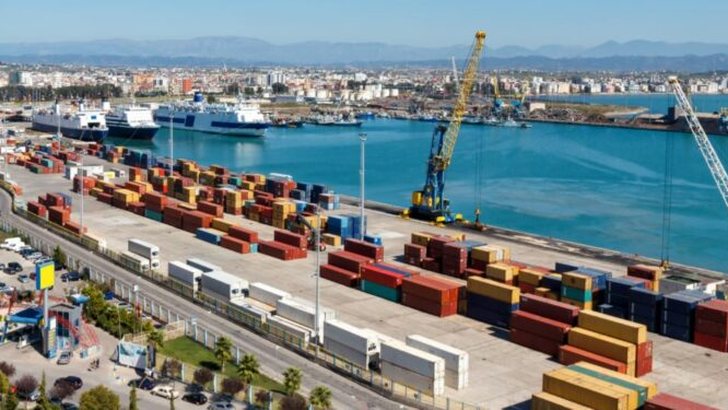
According to World Bank data, our country ranks second in the region for the highest economic growth, after Montenegro with 3.3%.
On the other hand, the figures that testify to the extent of poverty are disturbing.
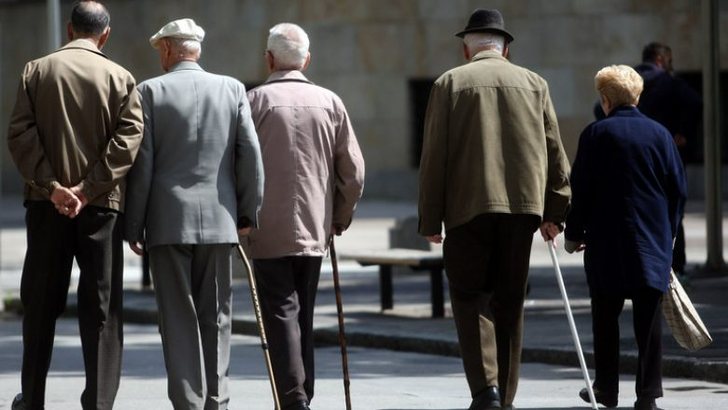
According to the World Bank, 13.7% of Albanians, or in other words over 328,000 people, are poor. This means that they live on less than 600 ALL per day, which is also considered the poverty line. Meanwhile, according to the International Monetary Fund, the number of poor in Albania has exceeded 25% of the population or over 604 thousand people.
On the other hand, Albania turns out to be one of the countries with the lowest per capita income in Europe, according to purchasing power.
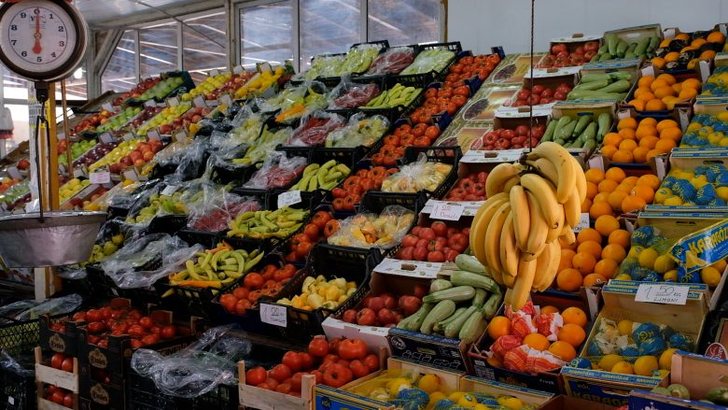
Other data from the IMF show that our country is second to last in Europe, leaving behind only Kosovo in the per capita income indicator measured according to purchasing power parity, measured in dollars. In 2023, this indicator for Albania was 19.5 thousand dollars, where an average family spends 43% of its budget just to feed itself, another indicator of poverty.
These indicators prove that the real growth of the economy does not translate into an increase in well-being, or that the growth is a "soap bubble". According to experts, another important indicator of this situation is the market prices, which are more expensive every year, even many times more expensive than neighboring countries. This in a certain way brings a monopoly market, a real impossibility of growing the family economy, the "melting" of the middle class and the departure of those who have the opportunity to secure a work contract in the EU countries.