


How Belinda Balluku is fabricating the rumor about Top Channel's...
/ 2026-10-19 16:19:00Focus


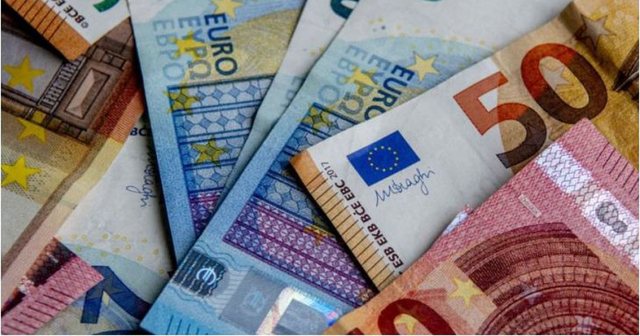
The rapid and strong devaluation of the euro against the lek seems to have replaced inflation as the biggest concern of Albanians.
In the middle of the summer season, 1 euro is exchanged for 100.9 lek (July 21 exchange rate) and expectations are equally pessimistic.
Euro flows from exports, tourism and foreign direct investments do not justify the devaluation of up to 14% of the European currency, leaving room for other factors.
For the economy expert Klodian Muço, this has come as a result of the euroization of the Albanian economy, where the European currency is widely used, making the monetary policy of the Bank of Albania almost useless.
He rejects the 'reasoning' that devaluation can be artificial because no one benefits from it.
"Foreign countries have not followed devaluation policies for their currencies and this means that the factors are internal. 40% of the Albanian economy is in euros and thus BSH policies are less efficient. Even though the Bank bought millions of euros in the market, the euro depreciated again. Billions are undeclared and the situation is alarming", explains Muço to Gazetasi.al.
Mentioning exporters and citizens who are paid in euros as the parties that are harmed, Muço also points to the beneficiaries... starting with the government, whose debt is massively in foreign currency, euro/dollar and oil wholesalers.
"In this situation, the government benefits because the debt is in foreign currency and the income is in euros. Large importers also benefit, especially oil. Oil is bought in dollars and the dollar has depreciated. However, oil continues to be at a high price here."
Expert Muço suggests two solutions that require institutional intervention, short-term and long-term.
He explains that the situation requires urgent intervention and one such could be the withdrawal of the currency from the market by BSH itself, but another could ensure the long-term stability of the exchange rate.
"No country in the world allows you to pay, buy with a currency other than the local one, while in Albania yes. The government must by law make payments in lek and ban the euro so that the economy is de-euroized and channeled only to exchange points and banks. This would also stop informality and help exporters. We need them. It is a production economy and people are employed. This is a service economy" , explains Muço, who opposes the idea of adapting the euro as an official currency.
The process of de-euroization, so named by the Bank of Albania itself, looks like a war with windmills, since in 5 years of life, there is no result. In fact, the European currency has had a broad-based development in Albania inside and outside the controlled system.
But expert Igli Tola argues that perhaps this is the right moment to adapt the euro, stressing that it remains a double-edged sword.
"Albania is a candidate country for the EU and the adaptation of the euro is inevitable. Is now the right time to make this transition? It is a mutual decision, with Europe and us. This process takes time, we cannot do it tomorrow. The issue is how willing we are to give up our monetary policy because BSH will be out of the game and the European Bank decides the supply and demand of the euro" , explains Tola, continuing with the advantages.
"The first advantage is that as long as the currencies are in parity, the conversion is very easy. Usually the problem in such moments is the fact that citizens lose money, but not in this case. A salary of 50,000 lek in 500 euros is very little. The advantage is, of course, the attraction of tourists, as well as the increase in credibility for foreigners".
Even expert Tola suggests an urgent intervention that can be done in a shorter time: fixed exchange rate. He explains that the Bank can set a fixed exchange rate of course only for a certain period.
“Kalimi në kurs fiks për një periudhë të shkurtër është një zgjidhje. Kurs që mund të indeksohet me inflacionin. Gjithsesi kjo është politikë që nuk preferohet dhe do shumë garanci nga vetë BSH. Luhatjet midis kursit fiks dhe atij real i mbulon BSH dhe kur bëhet fjalë për volume janë vlera të mëdha”, përfundon eksperti Tola.
Eksportuesit, të cilët kanë humbur rreth 10% të të ardhurave të tyre përshkak të rënies së euros, përkthyer në miliona euro, kanë kërkuar disa herë ‘ndihmë’ nga autoritetet. Ndonëse si qeveria ashtu edhe Banka e Shqipërisë kundërshtojnë ndërhyrjen në një treg të lirë si ai i kursit kanë ofruar disa të tilla. Fillimisht, ministrja e Financave, Delina Ibrahimaj njoftoi se pagesat e taksës mbi fitimin nga bizneset eksportuese do të shtyhen deri në fund të këtij viti. Kjo pagesë shlyhet në mes të vitit, normalisht.
Nga ana tjetër, Banka, përveç trajnimeve këshilluese drejtëpërdrejtë me bizneset shqiptare që eksportojnë, u kërkoi bankave tregtare që të ofrojnë kontrat ‘forëard’ dhe kushte të lehtësuara kreditimi.
For export businesses and associations, none of this is enough. Only for the month of June, this activity fell by 17.3%, in value./ Si





