"We are drowning..." - From Lisbon, Milan to Tirana, "The Guardi...
/ 2026-10-18 23:13:32Focus


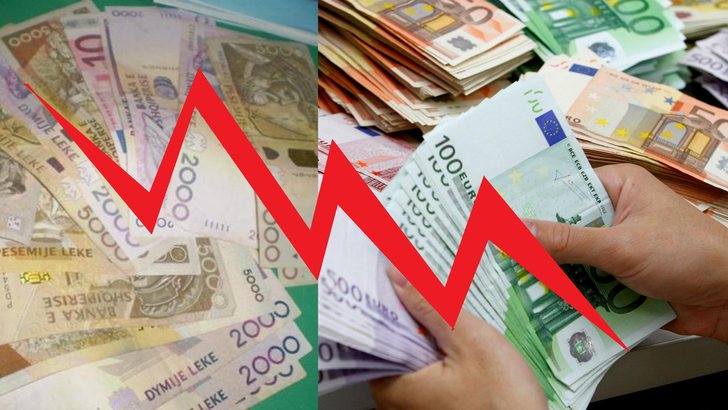
The exchange rate of the euro against the lek today curbed the rapid growth it had registered in the days after the local elections.
According to the official exchange rate of the Bank of Albania, the euro was exchanged on Thursday at 112.38 ALL, down 1.05 ALL compared to Wednesday.
Practically, the exchange rate of the euro has returned to the levels where it was a month ago, at the beginning of the campaign for the local elections on May 14.
According to foreign exchange agents, the rapid growth of the euro during this week was mainly the result of panic and was not justified by the movements of demand and supply.
Although by Wednesday the exchange rate had risen by almost three points from the historic minimum quota it had touched last Thursday, brokers said that there was no such demand for the currency in the market to justify the increase in these proportions.
According to them, the strong fluctuations of the euro were mostly the result of the psychological factor, mainly caused by the expectations created in the market for the post-election period.
Sources from the market inform that this time the foreign exchange market has calmed down without the need for an intervention by the Bank of Albania.
After it became clear that the increase in the rate was not based on the movement of supply-demand balances, the major foreign exchange brokers corrected the rate downwards and significantly reduced the spreads (trading margins) compared to yesterday. On Wednesday, the average margin between the buying and selling rates reported by the Bank of Albania was 1.2 points, while today this margin has dropped to 0.8 points.
Strong movements in the euro exchange rate create great uncertainty, because the European currency dominates Albania's commercial exchanges, but also because of a high degree of euroization of the economy and the financial sector.
Ekspertët mendojnë se pas luhatjeve të forta të dy javëve të fundit, të ndikuar edhe nga faktorë psikologjikë, kursi i këmbimit euro-lek mund të gjejë një lloj stabiliteti për pjesën e mbetur të këtij muaji, ndërsa në muajt e verës tregu pritet të jetë subjekt i zhvillimeve sezonale që shoqërohen me një tendencë mbiçmuese të monedhës vendase.
Leku i fortë është amortizues për presionet inflacioniste që vijnë nga jashtë, duke qenë se ekonomia shqiptare është gjerësisht e varur nga importet e mallrave.
Gjithashtu, ai ndihmon një segment të rëndësishëm të huamarrësve që kanë kredi në valutë dhe të ardhura në lekë, për të zbutur pjesërish kostot shtesë që po shkakton rritja e normave të interesit.
But, on the other hand, the strengthening of the lek has a negative effect on the exporting sectors of the economy, because it reduces their income expressed in local currency, putting pressure on profit margins and on competitiveness./Monitor