How Belinda Balluku is fabricating the rumor about Top Channel's...
/ 2026-10-19 16:19:00Focus


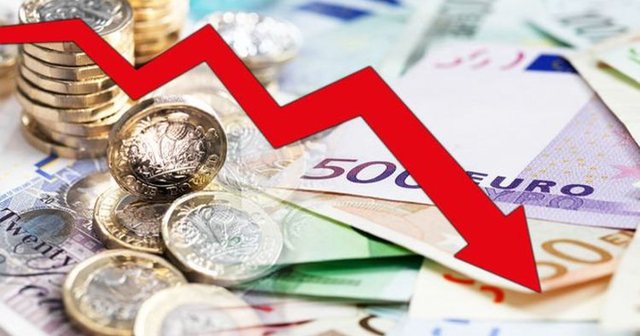
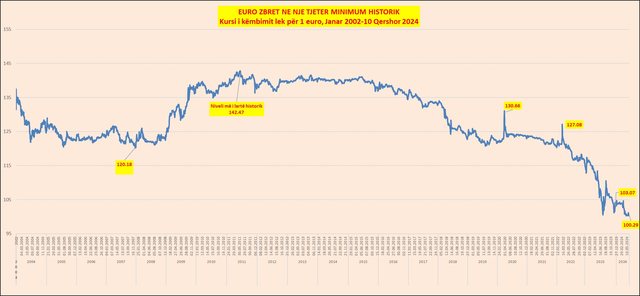
The exchange rate of the euro with the lek suffered another slight drop today and reached a new historical minimum.
According to the official exchange rate of the Bank of Albania, the euro was exchanged today at 100.29 ALL, down 0.09 ALL compared to the end of last week. Today's level represents the lowest value ever recorded in the euro-lek exchange rate, breaking the previous record of 100.32 lek, which was recorded on May 22.
The fall of the euro comes on a day when the European currency suffered a strong blow in the international markets, due to the results of the elections for the European Parliament and the decision of the French President to lead the country to new elections.
However, according to foreign exchange market agents, developments in foreign markets generally do not have any significant impact on the euro-lek exchange rate, which is determined by the supply and demand ratios in the domestic market.
The impact of the fall of the euro against other currencies is reflected only in their exchange rate with the lek. Due to the devaluation of the euro in international markets, the lek also lost ground against other currencies. The US dollar, the British pound and the Swiss franc gained significant ground compared to the end of last week.
The exchange rate of the euro against the lek is mainly affected by the increasing foreign exchange flows, related to the beginning of the tourist season.
Since the month of May, in fact, the exchange rate of the euro has been placed under a kind of control by the Bank of Albania, which has regularly bought significant amounts of currency in the market, in order not to allow a drop in the average exchange rate of the euro below the level of 100 lek.
Even without aiming to intervene in the exchange rate, the Bank of Albania withdraws significant amounts from the market every year. The calendar of currency auctions for foreign exchange reserve needs predicts that the amount intended to be purchased for 2024 will be in the range between 250 million euros and 330 million euros.
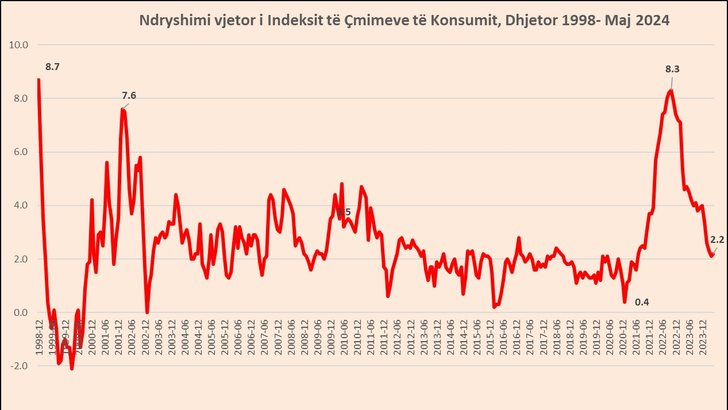
These purchases do not seem to be enough to stop the fall of the euro and according to sources from the market, the Bank of Albania is undertaking direct purchases to avoid further strengthening of the lek. With the fall of inflation below the level of 3% during the first months of the year, these interventions can be justified mainly in view of the objective of price stability.
However, during the summer season, the downward pressure on the euro exchange rate is expected to strengthen more, especially due to tourism-related flows. /Monitor