Is this police force professional and capable of handling violen...
/ 2026-10-16 18:54:07Focus


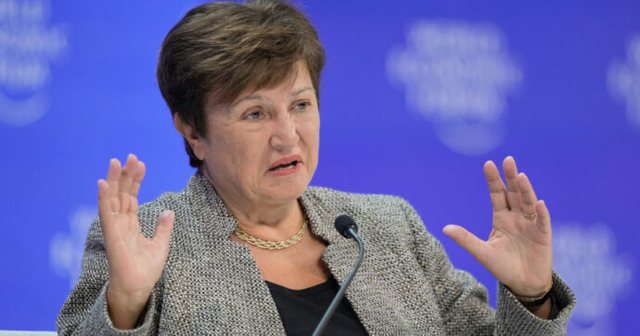
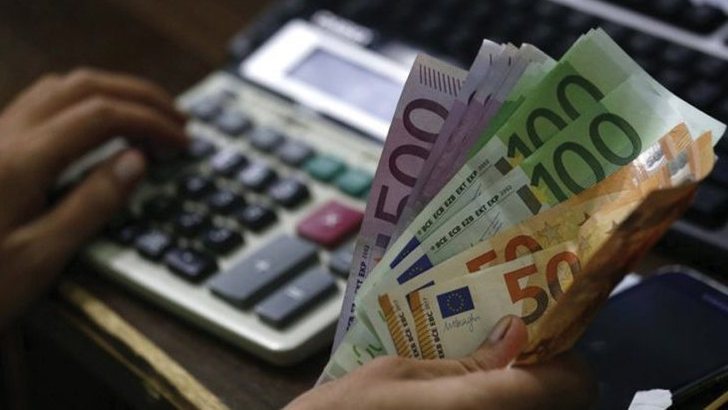
New forecasts from the International Monetary Fund point to a difficult future for the global economy, marked by weak medium-term growth, escalating trade tensions and high debt levels, IMF Managing Director Kristalina Georgieva said.
Georgieva did not present an optimistic outlook in a speech ahead of next week's IMF and World Bank annual meetings, but said much could still be done to boost growth, reduce debt and build a more resilient economy.
She warned of persistently high prices disproportionately affecting the poor and the potential for escalating conflict in the Middle East to destabilize regional economies and global commodity markets.
Rising protectionism and trade restrictions are crippling the global economy, limiting trade development and "pouring cold water on an already tepid world economy," said Georgieva, who began her second five-year term this month.
She said there was some good news, including a pullback in global inflation and a return to price stability.
According to the head of the IMF, the United States was not in recession, despite the Federal Reserve's rate cut that has caused a decline in the last three interest rate cycles, and the number of unemployed is expected to remain relatively low.
Global cooperation is more important than ever, Georgieva said, citing ongoing trade challenges, unexpectedly rapid global warming and the rapid growth of artificial intelligence technology that requires international regulatory and ethical codes.