How Belinda Balluku is fabricating the rumor about Top Channel's...
/ 2026-10-19 16:19:00Focus


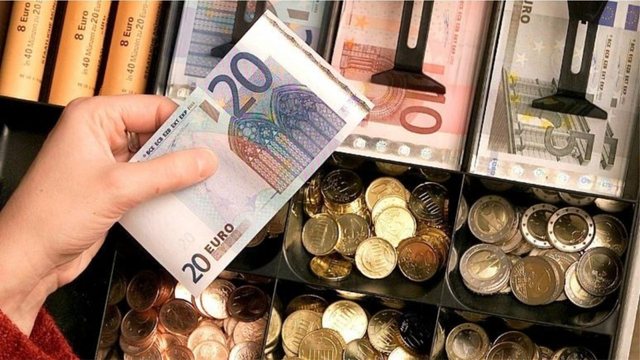
500 euros sent by an immigrant to his family in Albania, a year ago, together with the high costs of the transfer, would translate into 61 thousand new ALL. Today, when the euro is depreciating every day against the Lek, the same amount is translated into only 58 thousand Lek.
At the height of a price crisis, when everything, especially food, has become more expensive, for 1 in 4 Albanian families that receive remittances, 3 thousand less is a big blow to the monthly budget. A blow also for those exporters with Albanian capital, who also have the labor force that they have to pay in lek, where this fall in the euro shrinks the profit.
But for the rest, the euro at the rate of 119.1 ALL, 2 ALL less within a month, can be a blessing.
Inflation in our country was calculated for the month of May at 6.7%, strongly influenced by fuel. While in the eurozone, the last inflation rate was 8.6%. The reason why Albania has a milder increase in prices can be seen precisely in the exchange rate. With a stronger national currency, the purchasing power of importers increases, giving them the ability to command relatively better prices.
The government itself also benefits, as the weight of its external debt decreases and it has more solvency to repay its interest and loan installments in foreign currency.
The factors that are estimated to be affecting the exchange rate are firstly related to the full recovery of tourism, which is bringing large currency flows to our country: 409 million euros for the first three months of the year. While the increase in exports and subcontracted services is bringing more income in foreign currency.
With the entry into the hot part of the summer season, the expectations of the market agents are for a further strengthening of the lek, something that can only be balanced by the interventions of the Bank of Albania for the purchase of the currency at auctions, estimated value from 140 to 200 million euros throughout this year.