How Belinda Balluku is fabricating the rumor about Top Channel's...
/ 2026-10-19 16:19:00Focus


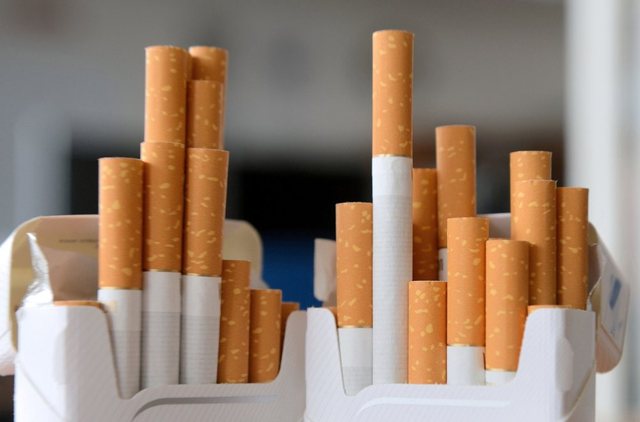
Smoking in Albania continues to remain at high levels where almost half of men smoke. The consumption level significantly exceeds the OECD countries as well as the global average level.
But how much does smoking cost for Albanian citizens? According to a recent study by the DSA, tobacco consumption poses a significant economic burden to society, affecting both smokers and non-smoking individuals exposed to smoke/tobacco consumption.
In Albania, it is estimated that the annual health care costs caused by tobacco consumption and covered by families alone amount to about 223 million ALL, with the largest part allocated to drug-related costs. Also, the total annual costs attributed to smoking in the framework of the Compulsory Health Care Insurance Fund (MHCIF) are estimated to be 11.2 billion ALL.
According to the study, one of the main causes of high levels of tobacco consumption in Albania is the relatively low prices of cigarettes, partly due to the low excise tax on tobacco products. Tobacco excise levels are considered among the lowest in the region and significantly lower compared to EU minimum requirements. Previous studies in Albania show that price has a large impact on the likelihood of starting smoking as well as on the decision to quit smoking. A 10 percent price increase reduces the probability of starting smoking in Albania by more than five percent.
But even though it seems as if the prices of cigarettes have increased, in relation to inflation, the figures show the opposite.
Referring to the study, from December 2020 to November 2023, the prices of cigarettes and tobacco increased by nearly 12 percent. During the same period, the overall price/inflation rate was 15 percent and food costs increased by 28 percent. Consequently, the rate of increase in food prices has been more than double that of cigarettes, making cigarettes much "cheaper". If the ratio of the food price index to the tobacco and cigarette price index is calculated, it turns out that tobacco and cigarettes have become 13–17 percent cheaper compared to food since December 2020.
The findings of the study show the urgency of implementing policies aimed at reducing tobacco consumption by making smoking less affordable. For this reason, it is recommended to take urgent measures to compensate for the recent trend of decreasing relative prices of tobacco, which comes from the fact that the excise tax does not reflect inflationary trends, which becomes more visible in times of high inflation.