Is this police force professional and capable of handling violen...
/ 2026-10-16 18:54:07Focus


In 2016, Kristo Puleshi did not take seriously the request of the Albanian Debt Collection Agency, ADCA, to pay an obligation of 58 thousand ALL. In the letter that the legal office started on behalf of the institution Micro Credit Albania, MCA, it was announced that he was the guarantor of a loan taken by his childhood friend in the amount of 30 thousand ALL - a loan which was almost doubled and it was claimed that it was not never repaid.
In a later report to the Prosecutor's Office, Puleshi said that he ignored the letters, messages and phone calls for six years in a row, since it was not related to the loan and the paternity in the notifications did not match his father's name.
But in October 2022, he received a message that he could not ignore: his apartment on "Myslym Shyri" street in Tirana, where he lived with his wife and two children, was placed under seizure.
The documents of an investigation conducted by the Prosecutor's Office of Tirana, which BIRN has, show that Puleshi and his childhood friend tried to investigate on their own what had happened and after not finding a solution, they turned to the prosecution body with a report In the capital.
In front of the investigators, they stated that they never received a loan and that the enforcement procedures were carried out in violation of the laws. An examination of the calligraphy on the loan contract also concluded that their signatures were forged.
Kristo Puleshi is reported to be just one of the thousands of victims of a suspected microcredit abuse scheme that has been going on for at least 9 years in Albania. An administrative investigation carried out by the Ministry of Justice in 2020 revealed that around 17 thousand individuals were harmed with unfair penalties, seizure of property as well as violations of enforcement procedures.
According to the report of the Ministry of Justice, the Micro Credit Albania company as well as a group of private enforcement offices, notaries and other related companies were included in the debt collection scheme.
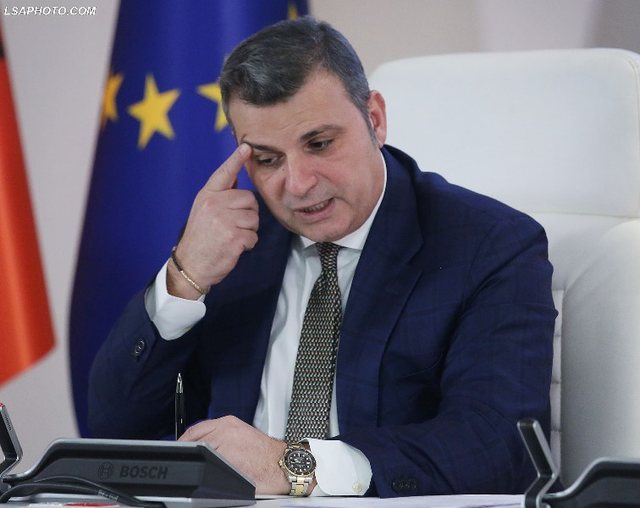
Meanwhile, an investigation conducted by the Prosecutor's Office of Tirana estimates that the responsibilities may extend to the Bank of Albania and its governor, Gent Sejko.
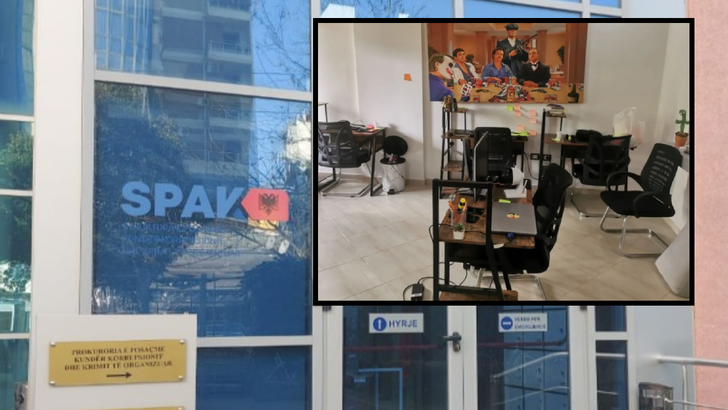
Through a decision of April 17, the Prosecutor's Office of Tirana declared incompetence and asked the Special Prosecutor's Office, SPAK, to carry out further investigations against the governor of the Bank of Albania for the offense of "abuse of duty" and the MCA company for fraud, concealment of proceeds and cleaning the proceeds of crime.
"The activity of MCA shpk results in the fact that it has continuously penalized the legitimate interests of individual borrowers, which has been in cooperation with the bailiffs, and doubts arise that there may have been cooperation with employees of the Bank of Albania," it is stated in decision declaring incompetence.
Asked by BIRN about the referral of Governor Sejko to SPAK, the Bank of Albania said through a spokesperson that it had not received any official notification.
"If we receive official communication from any criminal prosecution body, the Bank of Albania will be available to provide clarifications and appropriate information", said BSH.
The company "Micro Credit Albania" denied the accusations of fraud and penalizing borrowers, while insisting that it had based its activity on the legality defined in acts, contracts and court decisions.
"There is and cannot be criminal liability when there is a court decision; the entity that the court decision considers a "creditor of an obligation" does not deceive by appearing as a "creditor", because such a title is given by the court decision, while the entity that the court decision certifies as a "debtor" cannot receive the position of 'a victim of a criminal offense' no matter how many reports he signs/deposits at the Prosecutor's Office", MCA claimed.
Bad credit business
Micro Credit Albania was founded in May 2014 by the sole partner, Elda Ibro, an accountant by profession, and was subsequently licensed by the Bank of Albania to carry out microcredit activities. MCA then also operated in the market of purchase and execution of problem loans from other banking and non-banking institutions.
After numerous complaints from citizens, the Supervision Department at the Bank of Albania launched in July 2020 a thematic examination for the MCA company, where all four assessment elements came out at the highest level of risk classified in category 4.
According to the report of the Department of Supervision, the entity MCA operated in cooperation with the company licensed in the field of credit, Final, the legal office ADCA and the enforcement services ZIG, Flash and Star.
The group of inspectors also found that in 5 years of operation, MCA had never filed audited financial statements, while two international audit firms had refused to give an opinion. By July 2020, MCA had bought 85 million euros of outstanding loans from ten different banking and non-banking institutions, paying only 2-3% of their value and then the cost of the purchase has increased to 10 and 20% the following years.
According to the report, MCA had paid about 5.2 million euros for the loan portfolio of 85 million euros and had recovered from the borrowers about 10.7 million euros, ensuring an operating profit twice as high.
Grupi i inspektorëve gjeti gjithashtu se MCA ndoqi një strategji të mbledhjes së plotë të detyrimeve, pa ofruar zbritje, ndërsa vendosi për paketat e ristrukturimit të kredive të këqija “norma penaliteti shumë të larta 2% në ditë ose 730% në vit”.
Hetimet e kryera nga Prokuroria e Tiranës dhe një hetim administrativ i Ministrisë së Drejtësisë hedhin edhe më tej dritë mbi natyrën e biznesit që ndiqte MCA, përmes shtrëngimit të kushteve për të dhënë kredi. Pasi blinte kreditë e këqija deri në 10% të vlerës së tyre, MCA kërkonte kthimin në masën 100%, duke vendosur edhe penalitete, kamata dhe tarifa përmbarimore. Të gjendur ngushtë, kreditorëve që u ishin bllokuar pronat, detyroheshin të firmosnin kontrata kredie me norma interesi deri në 25%.
Pas gjetjeve të Departamentit të Mbikëqyrjes në vitin 2020, Banka e Shqipërisë ndryshoi rregulloren “Për kredinë konsumatore dhe hipotekore”, duke përcaktuar që masa e penaliteteve të mos kalonte 30% të detyrimit kontraktor. Por edhe pas këtij vendimi dhe rekomandimeve të lëna për shoqërinë MCA, shkeljet vazhduan.
Dyshimet për rolin e guvernatorit
Më 29 dhjetor 2022, guvernatori i Bankës së Shqipërisë, Gent Sejko vendosi të pezullojë licencën e subjektit financiar jo-bankë ‘Micro Credit Albania' për kredidhënien, por i lejoi asaj që të vazhdonte aktivitetin e mbledhjes së detyrimeve për portofolet e kredive të blera.
Megjithatë, Prokuroria e Tiranës vlerëson se ky vendim ishte jo vetëm i vonuar, por edhe papërshtatshëm në raport me shkeljet e konstatuara.
Hetimi ngre gjithashtu dyshime se masa e pezullimit u parapri nga një korrespondencë mes shoqërisë MCA dhe Bankës së Shqipërisë. Më 14 dhjetor 2022, ortaku i subjektit Micro Credit Albania i është drejtuar Guvernatorit të Bankës së Shqipërisë me një mesazh elektronik, ku parashtrohen përpjekjet e kryera për realizimin e rekomandimeve, si dhe kërkohet që të merren në konsideratë masa alternative, të tilla që të mos bllokojnë tërësisht aktivitetin e subjektit.
“Masa e marrë nuk është në raport me shkeljet e konstatuara nga vetë specialistët e Bankës së Shqipërisë dhe shkeljet e kryera në mënyrë të përsëritur janë të një karakteri tepër të rëndë. Vazhdimësia e aktivitetit të këtij institucioni financiar me problematika dhe shkelje të përsëritura është me pasoja tepër të mëdha financiare në dëm të qytetarëve“, thuhet në vendimin e Prokurorisë së Tiranës.
Prokuroria vlerëson gjithashtu se edhe pse ishte e njohur prej dy vitesh me problematikat e shkaktuara nga MCA, Banka e Shqipërisë nuk kishte marrë më parë asnjë hap konkret për të frenuar dhe monitoruar blerjen e kredive tek subjektet e tjera.
E pyetur në Prokurori, një punonjëse e Bankës së Shqipërisë e justifikoi tolerimin në pezullimin e fundit të MCA me rrezikun e pasojave. Sipas dokumentit, ajo deklaroi se nuk mund të merrej një masë radikale, pasi rrezikonin që subjekti të ndërpriste deklarimin në regjistrin e kredive, në kohën që “kishte ende 20 mijë kontrata kredie në administrim“.
Gjithsesi, Prokuroria e Tiranës vlerëson se Banka e Shqipërisë nuk disponon të dhëna të sakta se sa është numri i kredive të blera nga MCA dhe se veprimtaria e kësaj të fundit ishte pothuajse jashtë monitorimit. Ajo ka ngritur gjithashtu dyshime se shoqëria e mikrokredive u favorizua që në fazat e para të licensimit në vitet 2015-2016.
Banka e Shqipërisë miratoi në mars të vitit 2016 një rregullore që mundësonte shitjen e kredive të këqija të bankave, por sipas hetimit, MCA dyshohet se e kryente më përpara këtë aktivitet. Në maj të vitit 2016, ajo u pajis me një licensë të re, çka sipas Prokurorisë ngre dyshime se infrastruktura ligjore u përshtat “në funksion të aktivitetit të kësaj shoqërie“.
Punonjësit e Bankës Qendrore pretenduan para prokurorëve se ndryshimi i rregullores u bazua në “Planin e masave për kreditë me probleme“, i hartuar nga një Grupi ndërinstitucional i koordinuar nga Ministria e Zhvillimit Ekonomik, Turizmit, Tregtisë dhe Sipërmarrjes, i ngritur me urdhër të Kryeministrit në qershor të vitit 2015.
Bazuar mbi këto të dhëna, Prokuroria e Tiranës vlerësoi se rezulton e nevojshme “të hetohen zyrtarë të lartë si guvernatori i Bankës së Shqipërisë për veprën penale shpërdorimi i detyrës“, kompetencë kjo e Prokurorisë së Posaçme kundër Korrupsionit dhe Krimit të Organizuar.
Për shoqërinë MCA me administratore Elda Ibro, Prokuroria vlerëson se nevojiten hetime për veprat penale të mashtrimit, fshehjes së të ardhurave dhe pastrimit të produkteve të veprës penale, të dyshuara këto si të kryera në kuadër të grupit të strukturuar kriminal.
I pyetur nga BIRN nëse i kishte marrë apo vlerësuar aktet e dërguara nga Prokuroria e Tiranës, SPAK tha përmes një zëdhënëseje se “nuk ka asnjë përgjigje apo koment për të komunikuar“.
Rrjeti i mikrokredive
Dokumente të siguruara nga BIRN nga Ministria e Drejtësisë, Banka e Shqipërisë dhe Prokuroria e Tiranës tregojnë se skema e dyshuar kishte në qendër pronaren e MCA, Elda Ibro dhe bashkëshortin e saj, Olsi Ibro që drejtonte studion ligjore, ADCA.
Gjithashtu, Micro Credit Albania ndërvepronte me institucioni jo-bankar Final dhe zyrat përmbarimore Zig, Flash dhe Star me pronarë një grup personash të lidhur me njëri-tjetrin.
Pas pezullimit të licencës në dhënien e kredive, MCA ka nisur të punojë në një tjetër drejtim, atë marrjes së pronave të patundshme të debitorëve. Prokuroria konstaton se disa përmbarues kanë dhënë vulën me qira pranë shoqërisë MCA, ndërsa kjo e fundit ka kontraktuar ekspertë vlerësues për të ulur vlerën e pasurive.
Miliona euro në llogaritë e Ibros
The Prosecutor's Office of Tirana suspects that the owner of the MCA company has left Albania, but part of her profits are located in Albania. After the verifications, it was found that Elda Ibro owned bank liquidity in the amount of 1.1 million euros and 224 million lek [2.2 million euros] in a second level bank. In another bank of the second level, she owned accounts worth 60 million ALL, which she had transferred to the owner of enforcement companies engaged in collecting bad loans.
According to the Prosecutor's Office of Tirana, such values are many times greater than the dividend of 141.6 million lek [1.4 million euros] that this company had distributed as profit. Based on these inconsistencies, Tirana investigators say that they have asked the General Directorate of Taxes to carry out an in-depth audit of the MCA company - in order to have the opportunity to make an analysis between its income and expenses.
The prosecution administered two letters sent to Governor Sejko by the Minister of Justice and the Chamber of Private Bailiffs to inform him of what was happening, but the Central Bank treated these problems as of a legal-civil nature and why the same findings were found from the inspections made by the Bank of Albania itself, says the prosecution.
"Findings for suspected illegal activity, the Bank of Albania has also received from the second-level bank, materials that are administered in this investigative whip," the report states.
The prosecutor's office has found a number of private executors who have violated the rules and cooperated with the MCA entity, while it has found that the monitoring activity of the enforcement service by the Ministry of Justice has not been disciplined. According to the investigation, there are no copies of the execution orders, confirmations for the payment of the fee, and no initiative has been taken to coordinate the work with the tax authorities.
The MCA company told BIRN in a written response that during the 9 years of its activity it has not taken possession of any property or immovable property of the debtors, but claimed that it was involved against its will "in an internal war within the species" between bailiffs who had damaged it.
"..in any case, the debtor is not alienated from the immovable property because no debtor is evicted from his home, but he is prevented through the foreclosure from selling it and avoiding the repayment of the obligation," said the MCA.
Despite the forgery of the signature and the report to the Prosecutor's Office, one of the victims stated in the Prosecutor's Office that he continued to be persecuted for years for the loan he never received.
“Even today that 17 years have passed since the time of the seizure… text messages come to my phone from the bailiff; Your loan obligation has not yet been repaid,” he testified.