Protests, violence, curfews: From France to Albania, why Europe'...
/ 2026-10-20 23:47:20Focus


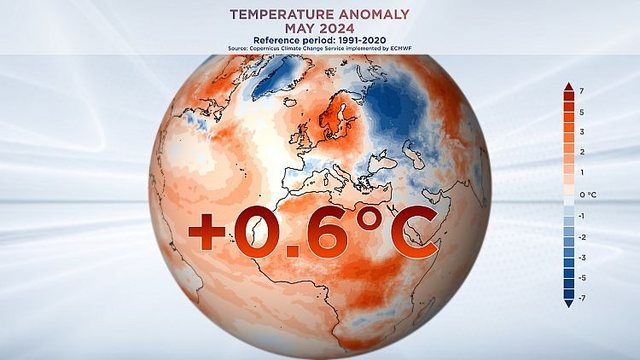
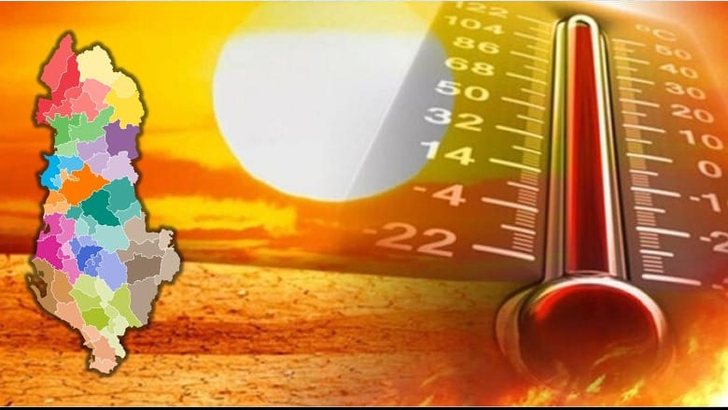
The issue of Saharan dust hitting solar power production has become more talked about especially after the Copernicus Climate Change Service revealed that May 2024 was the warmest on record, with temperatures 0.65 degrees Celsius above the 1991-2020 average.
It is the 12th month in a row that we witness the warmest temperatures for the respective month. In May 2024, we saw extreme weather in many areas. Floods in Brazil displaced more than half a million people, India's Delhi region hit a new monthly record of 49.9 degrees Celsius and Finland issued a heatwave warning after hitting 27 degrees Celsius.
In Europe, heavy rain led to flooding in southwestern Germany, Belgium and northern Italy. Saharan dust is best known in Europe for coloring the sky orange, reducing air quality and leaving a fine layer of dust on roofs and cars. However, it is also responsible for a growing issue, the so-called 'pollution' of solar cells.
March 2022 was an extreme event, but even small amounts of dust can reduce sunlight reaching solar cells by 15%, and with the rapid growth of solar power in Europe, pollution losses could reach billions of euros per year. Some scientists focus on developing dust-resistant clothing, while others investigate how dust behaves under warmer or cooler, drier or wetter weather conditions.
There are many variables to consider. For example, dust grains can have different sizes or colors and these can affect the operation of solar installations. Design elements also make a difference, such as if a panel is frameless or has a solid border around its border. Renewable energy company Sonnedix faces the pollution challenge every day, keeping an eye on the output from each of its solar sites and carefully calculating when it is commercially viable to clean its PV panels.
Cleaning is expensive – around 400-500 euros per megawatt – so allowances must be made depending on the power plant's electricity price. The recent increase in Saharan dust events could be part of normal climate change, or it could be something else. There is some speculation that these changes in atmospheric circulation are related to climate change.