Storm in the administration, the Director General of Taxes, Ilir...
/ 2026-10-23 15:43:05Focus


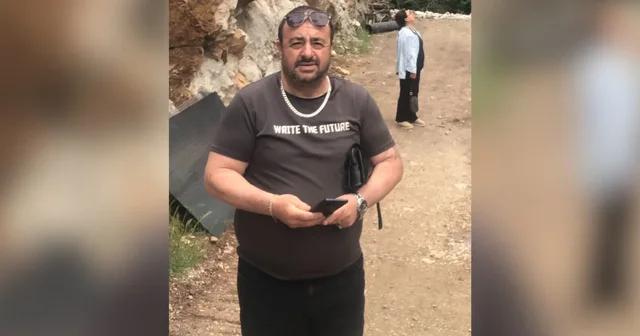
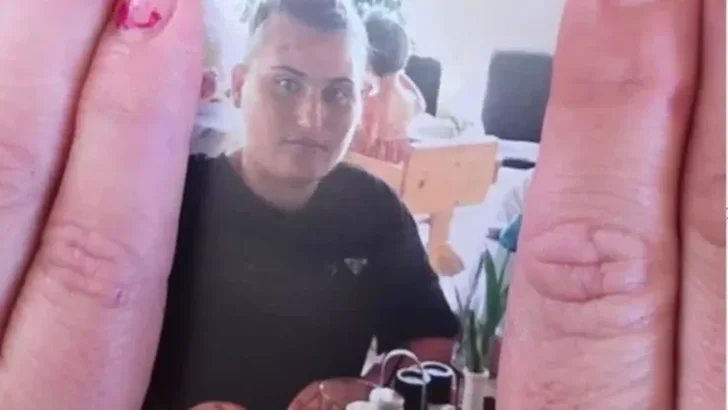
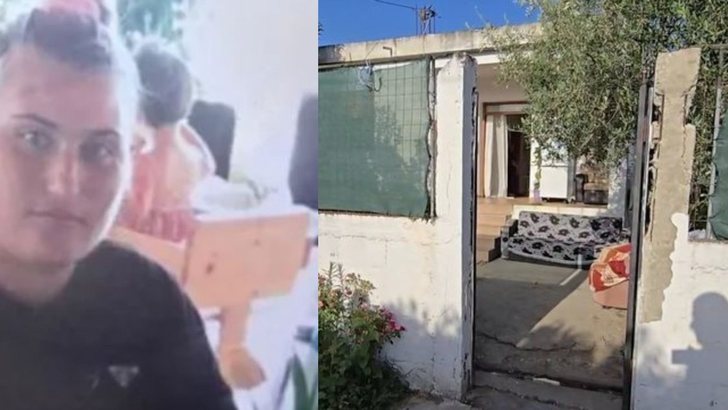
Besnik Koçiu passed away on July 24 in the cell of the high-security prison "313" in Tirana.
But the Koçi family claims that their relative did not die from the illness he suffered from but "as a direct consequence of institutional disregard, systematic negligence and a chain of decisions that took his life."
The family members, through an open letter addressed to the institutions, state that the people with whom Koçiu shared the cell had expressed concern about his condition, but the institutions, instead of providing him with medical assistance, isolated him in another environment.
"There he passed away. Alone. Without medical care. Without help. With no one around in his last moments. Just two days ago, in a low voice, he told us: 'I will die here.' We wiped his tears with our hands," the letter says.
LETTER:
Yesterday, Besnik Koçiu, 51 years old, passed away in Tirana's prison 313, more precisely in pre-trial detention. And not from illness. Not from fate.
But as a direct result of institutional disregard, systematic negligence, and a chain of decisions that took his life, when he still had time...
Besnik Koçiu was involved in an accidental incident, where as a result another person was injured in the leg by a sporting weapon (maneuver). The incident happened unintentionally, a human error like those that can happen to anyone. The injured party, not only did not seek criminal prosecution, but immediately forgave him.
And yet, Besnik was arrested in flagrante delicto on suspicion of having committed elements of the criminal offense provided for in Article 278 of the Criminal Code. The way he was treated was far from any human and legal standard. And it all started from the very first moment:
The police immediately made the arrest, without making a full and objective assessment of the circumstances. The weapon involved was a sporting (maneuver) weapon, purchased with the appropriate documentation, and the incident had occurred unintentionally.
The evidence presented by family members and the defense was not taken into account, including his status as a disabled person (group II), advanced diabetes (with four types of insulin, one with a specific composition, brown), partial ischemia suffered in recent months, and severe thrombosis suffered six months ago.
The same circumstances were also ignored by the prosecution, at the time of administering the acts and initiating the case in court with the request for the imposition of a security measure.
The court, after hearing the claims of protection and administration of official documents as required by law, including medical certificates from the QSUT, disability status, and other serious diagnoses, decided to ignore them all.
Instead of considering the possibility of a more appropriate security measure, it imposed the most extreme measure: “prison arrest.” The prison institution, Prison 313, did not show the minimum human care and sensitivity for a detainee with serious health problems.
On the penultimate night of his life, he shared a room with several other prisoners, who, seeing the obvious deterioration of his condition, asked the administration to intervene. But instead of being sent for medical treatment, Besnik was left from the room and isolated in another environment.
There he passed away. Alone. Without medical care. Without help. With no one around in his final moments. Just two days ago, in a low voice, he told us: “I will die here.” We wiped his tears with our hands.
We shouted, we asked, we knocked on the doors of institutions but no one listened. And as he had felt, it happened. But how could this happen? How could we let a 51-year-old man, seriously ill, die in a cell from abandonment? Even if he were guilty, even if he were truly a criminal, the minimum he would deserve was humane treatment, medical care, human dignity.
And what are we asking for today? We are not asking for more than what every person deserves: To understand how this death happened. To not be closed as a statistic. To know why a person who should have been in treatment ended up in the ground today.
We demand that this history not be forgotten. That institutions no longer behave with disregard for human lives.
So that no one goes through what Besnik went through. We want justice, not revenge, but awareness and accountability from the people responsible, the people who could have prevented Besnik's death.
This is not just a matter of law. It is a matter of humanity, conscience, and dignity.
We address you on behalf of the life that was unjustly cut short, on behalf of every person who could have been in his place, and on behalf of those who have no voice, but only a soul full of pain and disappointment.