Is this police force professional and capable of handling violen...
/ 2026-10-16 18:54:07Focus


After the action to free sidewalks and public spaces, which lasted several months and spread throughout the country, the largest municipality in the country, that of Tirana, has prepared the new regulation for public spaces.
The package is being discussed with experts and interest groups before being passed for approval by the City Council.
With the introduction of the initiative, which was also accompanied by a portal, hapesiraimepublike.gov.al, for reporting cases of violations or occupation of public space, according to the portal's latest figures, there have been over 21 thousand reports of occupation of public spaces, with 16,618 cases resolved and 4,851 still in process, with the capital bearing the largest share.
These are the data that accompanied one of the most extensive campaigns undertaken in recent years to free sidewalks, squares and common urban spaces from illegal occupation with tents, tables, advertisements or temporary business structures.
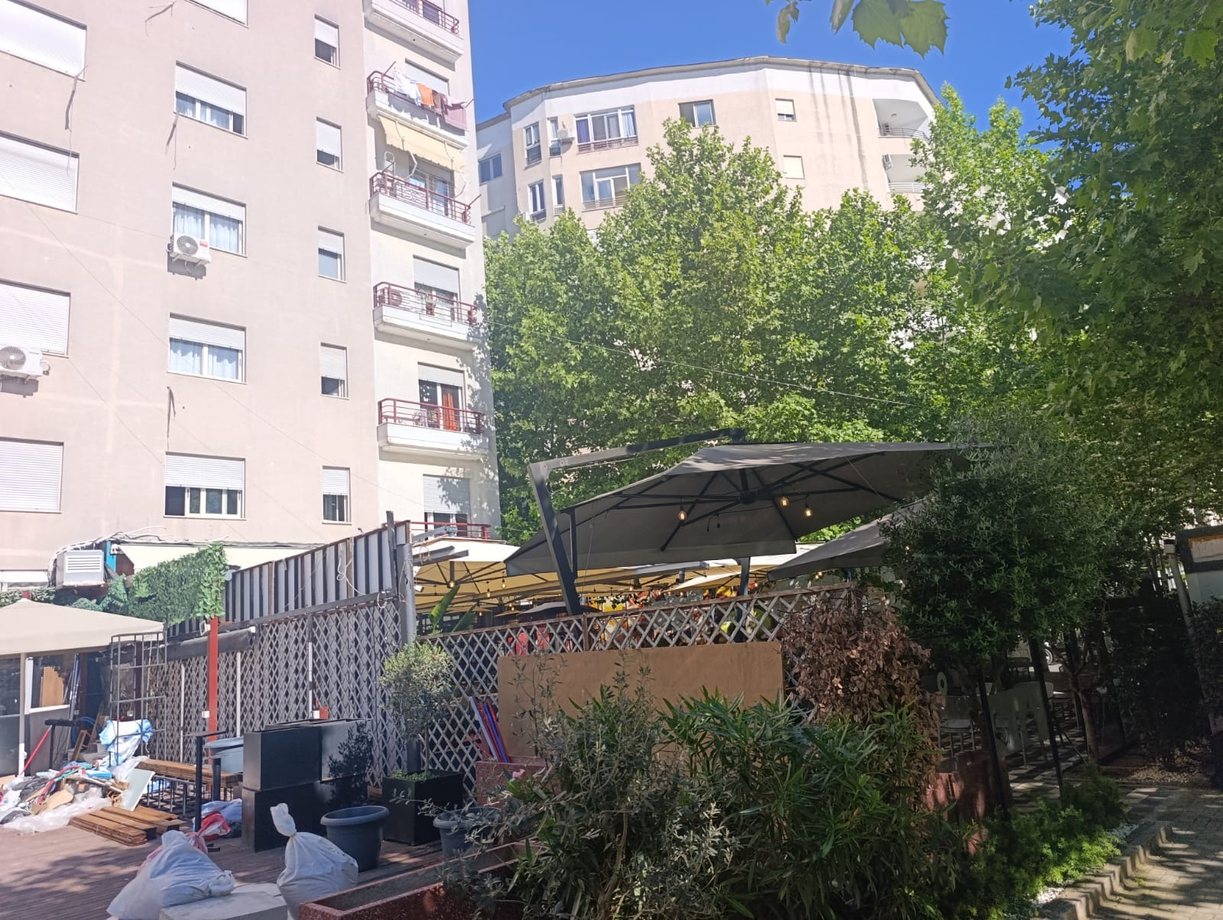
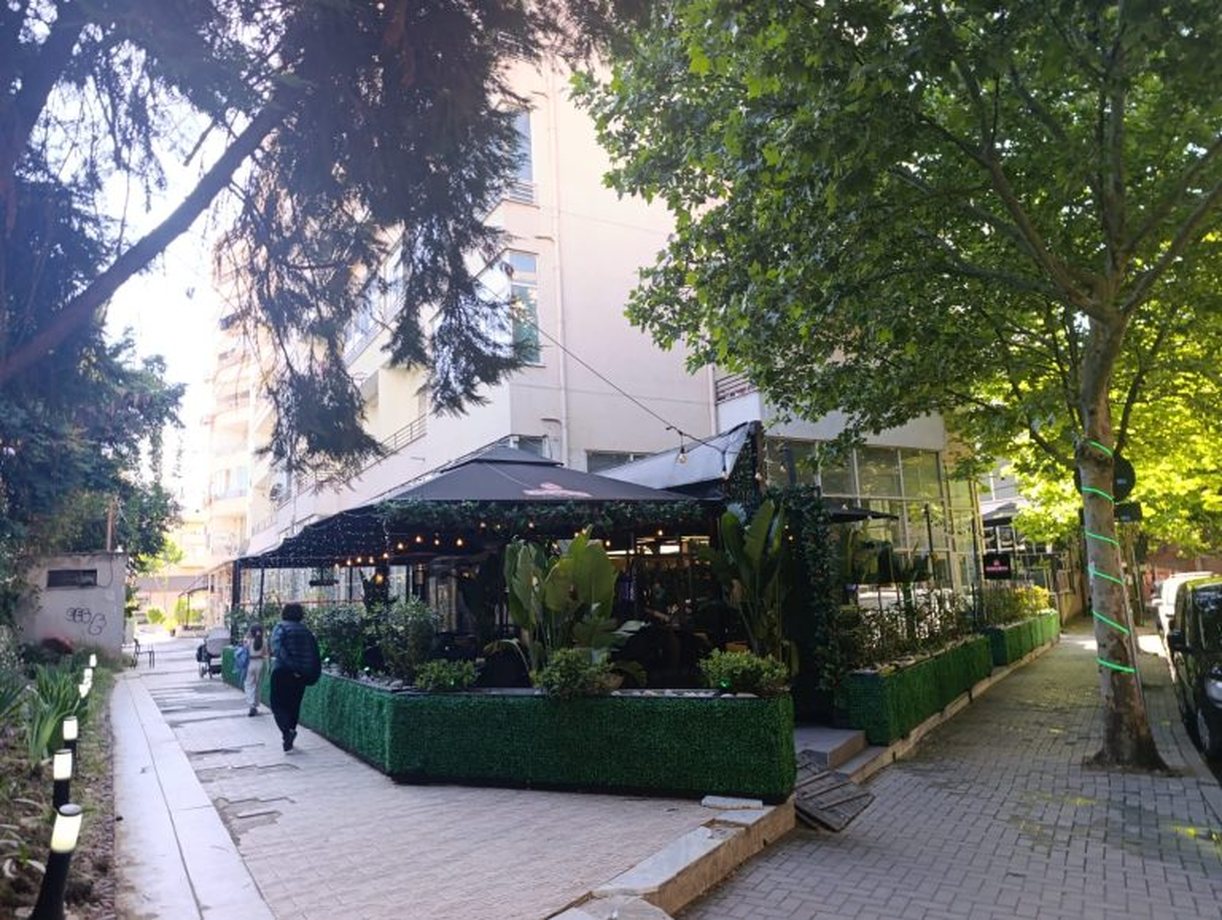
But in an observation carried out in several neighborhoods of Tirana, it seems that after the action, a good part of the tents, awnings or tables and ramps have returned to their places, once again blocking sidewalks, streets and public spaces.
Following this operation, which extended to several cities in the country and focused mainly on premises, businesses and structures that had expanded their activity in public spaces, the Municipality of Tirana has now prepared a detailed draft regulation for the administration and use of public spaces, a model that is expected to serve as a model for other municipalities in the country.
The draft regulation "On the use of public space in the Municipality of Tirana" defines for the first time in detail the criteria, distances, urban standards, documentation and procedures that private or public entities must follow to use public spaces.
Essentially, the draft aims to move from the model of informal tolerance of sidewalk occupation towards a standardized management system, where every use of public space will be licensed, monitored, and controlled.
From IKMT action to urban standardization
The campaign to free up public spaces was accompanied by numerous interventions by the IKMT, local inspectorates and municipal police in tourist and urban areas, where businesses had occupied sidewalks, bicycle lanes, building entrances or public squares with metal structures, tents, tables and advertisements.
It is after these interventions that the draft regulation sets clear limits on how public space can be used. According to the document, the public interest prevails over private interest and citizens must be guaranteed free access to sidewalks and public spaces.
The regulation also sets mandatory minimum distances such as: 3 meters from building entrances, 5 meters from bus stops and bicycle lanes, as well as free passage corridors for pedestrians.
In the case of advertising structures or tents, the draft prohibits their placement if they obstruct traffic, road signage, or urban aesthetics.
What does the new draft foresee?
The draft provides for special permits for any activity in public spaces, application through the e-Albania portal, a unique electronic register for permits and payments, periodic publication of reports on the use of public spaces, checks by the Municipal Police and administrative measures for violators.
Another important element is urban standardization. The regulation defines the typologies of permitted structures, materials, colors, lighting, noise levels, and how they are integrated into the urban environment.
Moreover, for gastronomic activities with live music or sound amplification, special acoustic permits are recommended and maximum noise limits are set according to urban areas.
A model that is expected to be extended throughout the country
Although the draft was drafted for the territory of the Municipality of Tirana, the legal basis on which it is based is a decision of the Council of Ministers of April 2026, which obliges local units to issue relevant acts for the administration of public spaces.
This means that the model being built in Tirana is expected to serve as a reference for other municipalities in the country, especially in tourist cities where the occupation of sidewalks and public spaces by businesses has become an ongoing problem.
In practice, the draft aims to create a balance between economic business development and the protection of public space as a civic asset. But the main challenge remains implementation. For years, informal occupation of sidewalks has been tolerated in many cities, while actions have been mainly seasonal or sporadic./ ekofin.al