Dokumentat/ Raiffeisen Bank në Vlorë i “grabit” 220 mijë lekë të...
/ 2026-11-03 15:12:00Focus


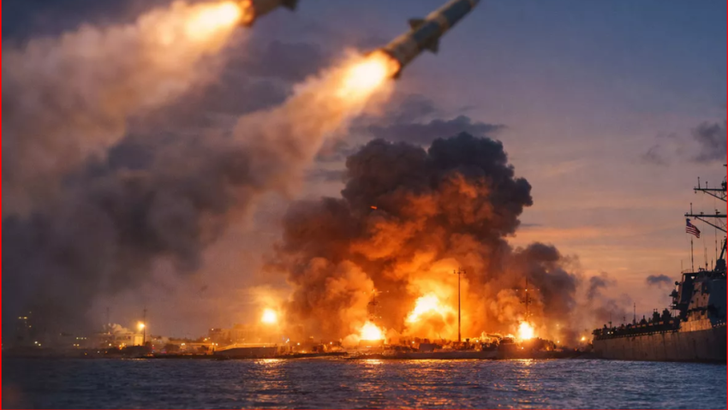
The United States attacked the strategic Iranian island of Qeshm on November 2, US officials confirmed.
This is the latest attack in a series of military operations against Iran, which were not previously made public.
Operations continued, although US President Donald Trump downplayed the possibility of a new full-scale war breaking out.
The attacks occurred just hours before the US midterm elections on November 3, and at a time when Trump is taking a softer public stance towards Iran.
After warning for weeks that the US could launch a new military offensive against Iran after the election, Trump on Monday ruled out the possibility of an immediate attack and signaled that a deal could be reached through diplomacy.
Asked by reporters if he was considering attacking Iran after the election, Trump replied: "No."
However, US administration officials told The Wall Street Journal that Trump has not yet made a final decision and is considering various options.
This shows a difference between the president's public statements suggesting a reduction in tensions with Iran, and the ongoing US military operations.
According to The Wall Street Journal, citing US officials, the latest attack was part of a series of limited strikes that the US has carried out in secret against Iran in recent weeks.
Some officials described these operations as defensive measures, aimed at weakening Iran's ability to threaten commercial shipping in the Strait of Hormuz.
A US official told the newspaper that the administration had deliberately decided not to make these operations public, to avoid the impression that the US was preparing to resume a large-scale military campaign.
The Iranian state news agency, IRNA, reported that explosions were heard on Qeshm Island on November 2.
The Pentagon referred RFE/RL's questions to the US Central Command (CENTCOM), but it did not respond to a request for comment either.
A US official said the administration is continuously taking measures to respond to threats to US forces in the region.
Later, senior US officials confirmed to Radio Free Europe that US forces had carried out limited strikes on the Iranian island of Qeshm.
They described the attacks as defensive operations, aimed at protecting American forces and assets in the region.
According to officials, the attacks were carried out in response to Iranian shooting down a US aircraft.
The strategic island in the Strait of Hormuz
Ishulli Keshm ndodhet në hyrje të Ngushticës së Hormuzit - një prej rrugëve më të rëndësishme detare në botë për transportin e naftës dhe të burimeve të tjera të energjisë.
Sipas gazetës The Wall Street Journal, në ishull ndodhen një bazë e madhe nëntokësore raketore, një bazë detare dhe një impiant i madh për shndërrimin e ujit të detit në ujë të pijshëm.
Ishulli ka qenë objektiv i sulmeve amerikane edhe gjatë përplasjeve të mëparshme ushtarake, ndërsa zyrtarët amerikanë e kanë diskutuar edhe mundësinë e marrjes së tij nën kontroll.
Jason Brodsky, drejtor për politika në organizatën jofitimprurëse “United Against Nuclear Iran”, tha për Radion Evropa e Lirë se sulmet e fundit synojnë të dobësojnë aftësinë e Teheranit për të penguar transportin detar, dhe jo domosdoshmërisht të ndryshojnë vendimet politike të udhëheqjes iraniane.
“SHBA-ja synon të dobësojë aftësitë e Iranit për të kërcënuar Ngushticën e Hormuzit”, tha Brodsky.
“Qëllimi nuk është domosdoshmërisht të ndryshohen llogaritjet e udhëheqjes iraniane, por t’i kufizohen regjimit iranian mundësitë për të vëzhguar dhe për të penguar anijet tregtare. Dhe kjo është, në thelb, në interes të sigurisë kombëtare të SHBA-së”, shtoi ai.
Operacioni në ishullin Keshm vjen pas një serie sulmesh të kufizuara amerikane ndaj objektivave ushtarake dhe detare iraniane.
Më herët, forcat amerikane kanë goditur pika të lëshimit të raketave, kanë sulmuar një anije tradicionale iraniane disa ditë më parë, si dhe një anije tregtare që, disa javë më parë, ka bërë përpjekje të kalojë përmes bllokadës së vendosur nga SHBA-ja ndaj tregtisë së Iranit.
Trump zbut retorikën, diplomacia mbetet mundësi
Sulmet ndodhin në kohën kur Uashingtoni dhe Teherani janë duke dhënë sinjale për rifillimin e përpjekjeve diplomatike, ndonëse përplasja ushtarake mes tyre mbetet e pazgjidhur.
Presidenti Donald Trump dhe nënpresidenti JD Vance kanë lënë të kuptohet së voni se negociatat për çmontimin e programit bërthamor të Iranit, mund të çojnë në marrëveshje.
Trump shkroi gjithashtu në rrjetet sociale se rënia e çmimeve të naftës pasqyron bindjen në rritje se nuk do të ketë një luftë të re me Iranin.
Vance deklaroi se Uashingtoni ka shënuar përparim në negociata.
Ndërkohë, zëdhënësi i Ministrisë së Jashtme iraniane, Esmail Baghaei, u tha gazetarëve në Teheran, më 2 nëntor, se sa i përket arritjes së një marrëveshjeje të mundshme, “topi është në fushën e SHBA-së”.
“Kërkesat tona janë paraqitur shumë qartë dhe në mënyrë transparente. Kërkesat e Iranit janë të arsyeshme dhe logjike”, tha Baghaei.
Megjithatë, zyrtarët iranianë, përfshirë udhëheqësin suprem Mojtaba Khamenei, paralajmëruan se Teherani do të kundërpërgjigjet me sulme brenda dhe jashtë Lindjes së Mesme, nëse Uashingtoni e rifillon konfliktin.
Për javë të tëra, Trump paralajmëroi se SHBA-ja mund t’u kthehej operacioneve ushtarake në shkallë të gjerë, pas zgjedhjeve të mesmandatit.
Senior administration officials discussed the possibility of additional airstrikes and presented the president with several alternatives, including tightening economic sanctions and expanding the blockade on Iranian trade.
According to The Wall Street Journal, the commander of the US Central Command (CENTCOM), Admiral Brad Cooper, visited the White House last week to brief Trump on developments in the conflict.
Over the past few weeks, the US military has also sent additional missile defense systems and munitions to the region, setting the stage for potentially broader military operations.
According to The Wall Street Journal, US officials also told Gulf countries to prepare for a short but intense military campaign that could begin immediately after the elections.
Analysts: Harsh response from Iran unlikely
Despite the risk of escalating the conflict, some analysts estimate that Iran is unlikely to respond with a major attack to the latest American strike.
Brett Erickson, a Middle East analyst and sanctions expert at Obsidian Risk Advisors, told Radio Free Europe that the attacks are dangerous but do not constitute a major change in the US military approach.
"Although these latest American attacks are playing with fire, they are not much different from the limited military operations we have seen in recent weeks," Erickson said.
"Iran has shown itself to be quite restrained in its reactions to similar incidents, and I see no strong reason to believe that this attack will fundamentally change Tehran's strategic calculations," he added.
Gregory Brew, an oil expert and analyst at Eurasia Group, a New York-based oil firm, told Radio Free Europe that the latest attack and other recent reports show that Washington is actively trying to challenge Iran's control of the Strait of Hormuz.
According to him, the US is no longer limited to intercepting Iranian missiles and drones, but is also striking Iranian targets along the coast.
"The fact that the US does not want to make these attacks public shows that it is trying to avoid the impression that it is aiming to escalate the conflict," Brew said.
"Even more interesting is Iran's willingness to accept these strikes without retaliating. It seems that both sides are aware of the risks of escalation as they clash for control of the Strait," he added. (REL)