


Details of the storm in the administration, here's who will resi...
/ 2026-10-22 22:25:00Focus


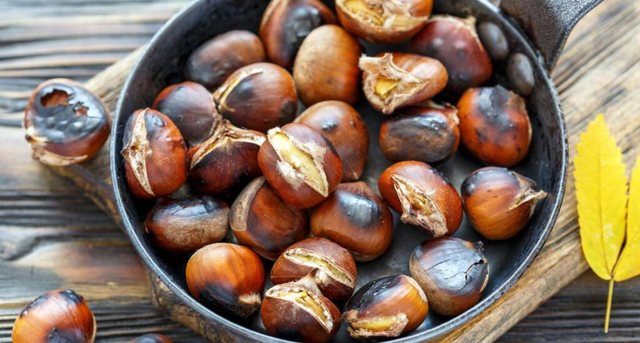
They are the symbolic food of autumn, delicious and appreciated in a multitude of preparations and besides being good, chestnuts also offer countless therapeutic properties and health benefits. Baked or boiled, their aroma is irresistible, especially in these autumn days. Here's what happens to your body if you consume chestnuts:
A handful of chestnuts a day brings many health benefits, as they are rich in vitamins and minerals.
Chestnuts are a rich source of vitamin C, calcium and phosphorus. They are ideal when you feel tired and sluggish.
Chestnuts have less fat compared to other hard-shelled nuts. Also more starch, which makes them digestible.
Consuming chestnuts is fantastic for people who feel tired and lack of willpower. Chestnuts should also be consumed by those who wish to strengthen their muscles, by anemic persons as well as by athletes.
Ripe chestnuts have greater energy value, greater amounts of protein, fat, vitamin E and twice the amount of carbohydrates.
Satisfying. In addition to being healthy, chestnuts are a filling food thanks to the large amounts of fiber and complex carbohydrates. They can be included in slimming diets.
Teeth and bones. Chestnut phosphorus, magnesium and calcium help us keep our bone system healthy and protect our teeth.
Nervous system. Minerals and B group vitamins present in chestnuts contribute to the correct functioning of the nervous system and the prevention of neurological diseases.
Diabetes. People with diabetes can benefit from eating chestnuts: their complex carbohydrates are absorbed slowly, avoiding the rise of insulin in the blood.
Amino acids. Chestnut vegetable protein contains all the essential amino acids and this is a great help for people following a vegan diet and for athletes.
Heart. Like walnuts, chestnuts are rich in healthy fats and omega 3 and omega 6 fatty acids. This is why they are excellent in preventing heart disease and protecting it.
Constipation . Chestnut fibers regulate the bacterial flora in the intestine and intestinal transit, eliminating constipation and preventing colon cancer.
Hypertension i. Being low in sodium and rich in potassium, chestnuts are excellent for those suffering from hypertension. They are also useful for fighting fluid retention.
Anemia. The iron contained in chestnuts is excellent for preventing and fighting anemia and chronic fatigue.
Albanian chestnuts
Albanian chestnuts are mostly found on the sides of the mountains and hills in Kolgecaj and Lekbibaj in Tropoja, the Puka Highlands, in Shënmëri in Kukës.
Also in Mes and Shllak in Shkodër, Kashnjet in Lezhë, Shupal in Tirana, in Pogradec, in Muzina in Delvina, Dhrovjan and Leshnica in Saranda.
Meanwhile, other areas such as Berati, Skrapari, Përmeti, Gramshi and Tepelena cultivate chestnuts, but in smaller quantities.
Nutritive value of chestnut
In 100 grams of chestnuts, you will find 67 mg of vitamin B, 27 mg of calcium, 2.38 mg of iron, 175 mg of phosphorus, 6.4 mg of protein and 374 mg of calories.
Ripe chestnuts are popular especially in the autumn-winter period. In most cases, they are consumed boiled, even cooked, and you can add them to various soups.




