Is this police force professional and capable of handling violen...
/ 2026-10-16 18:54:07Focus


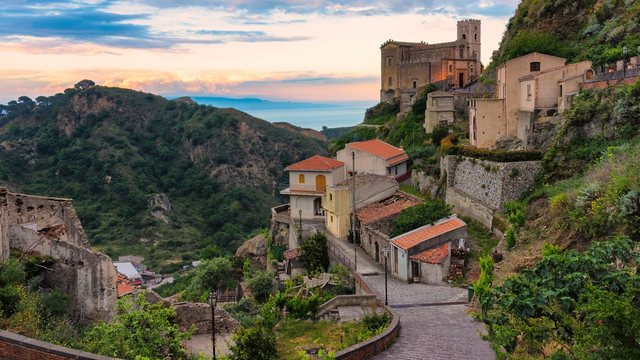
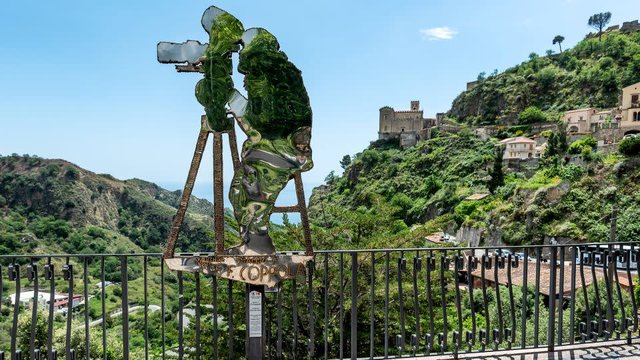
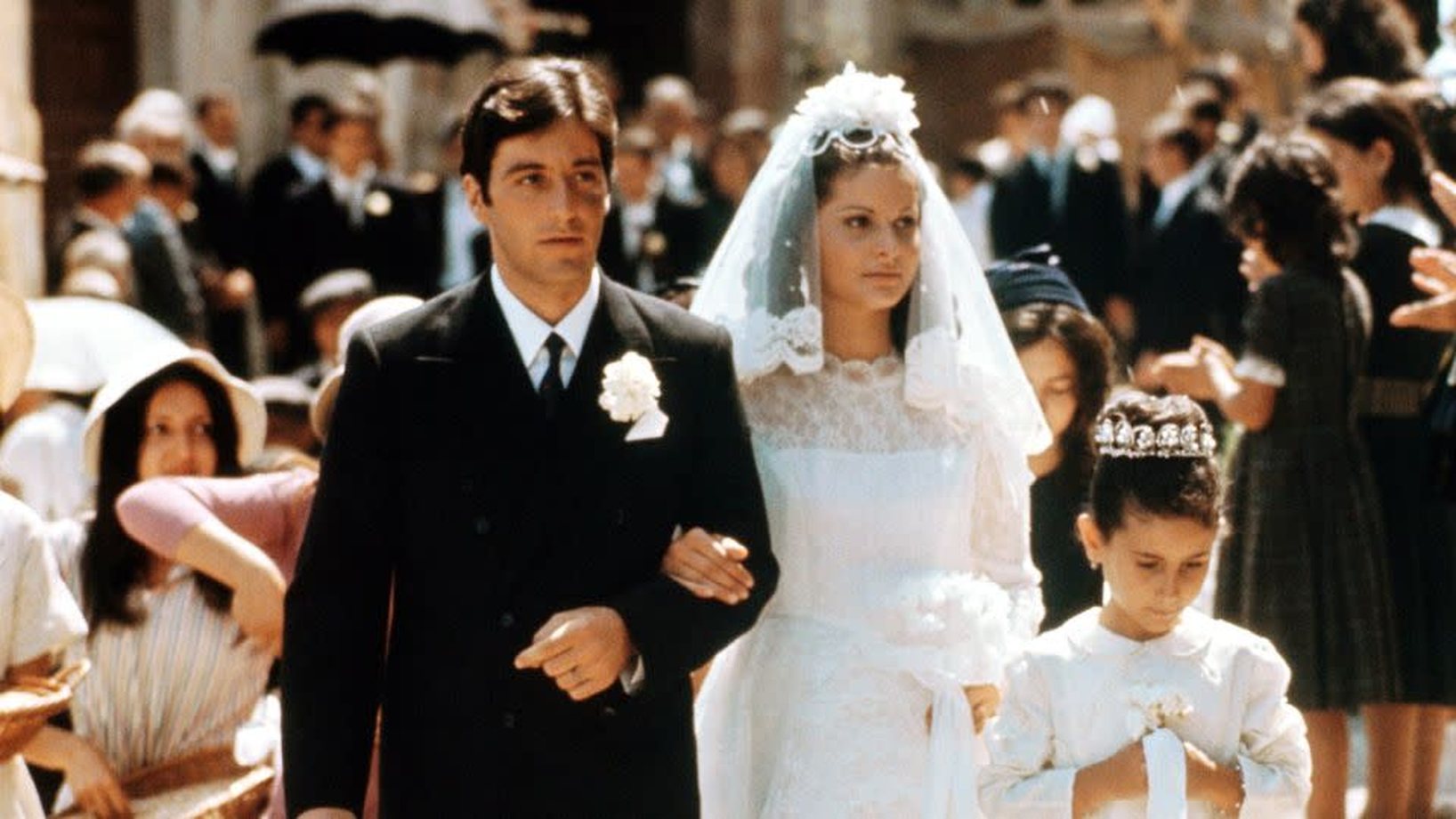
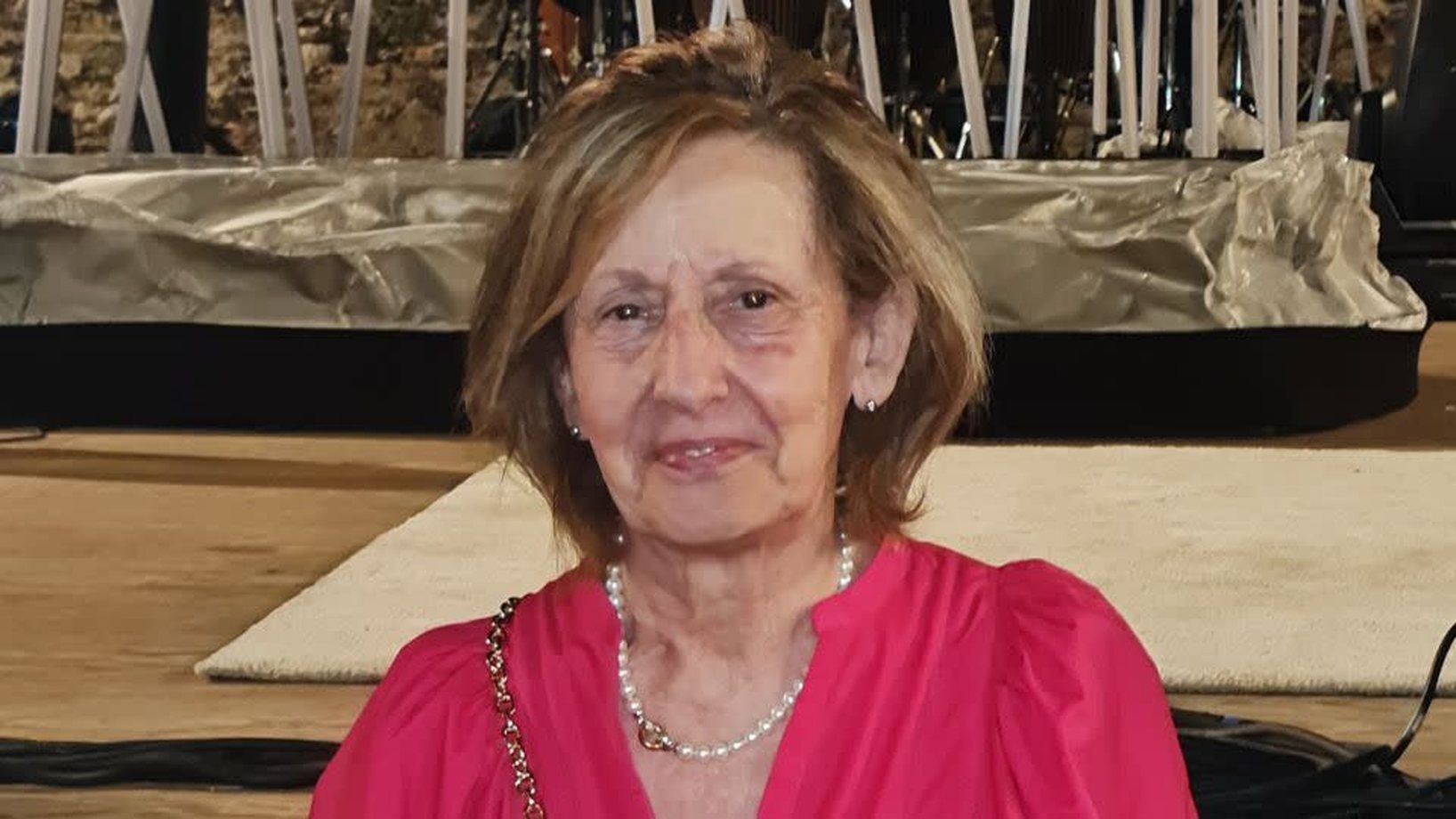
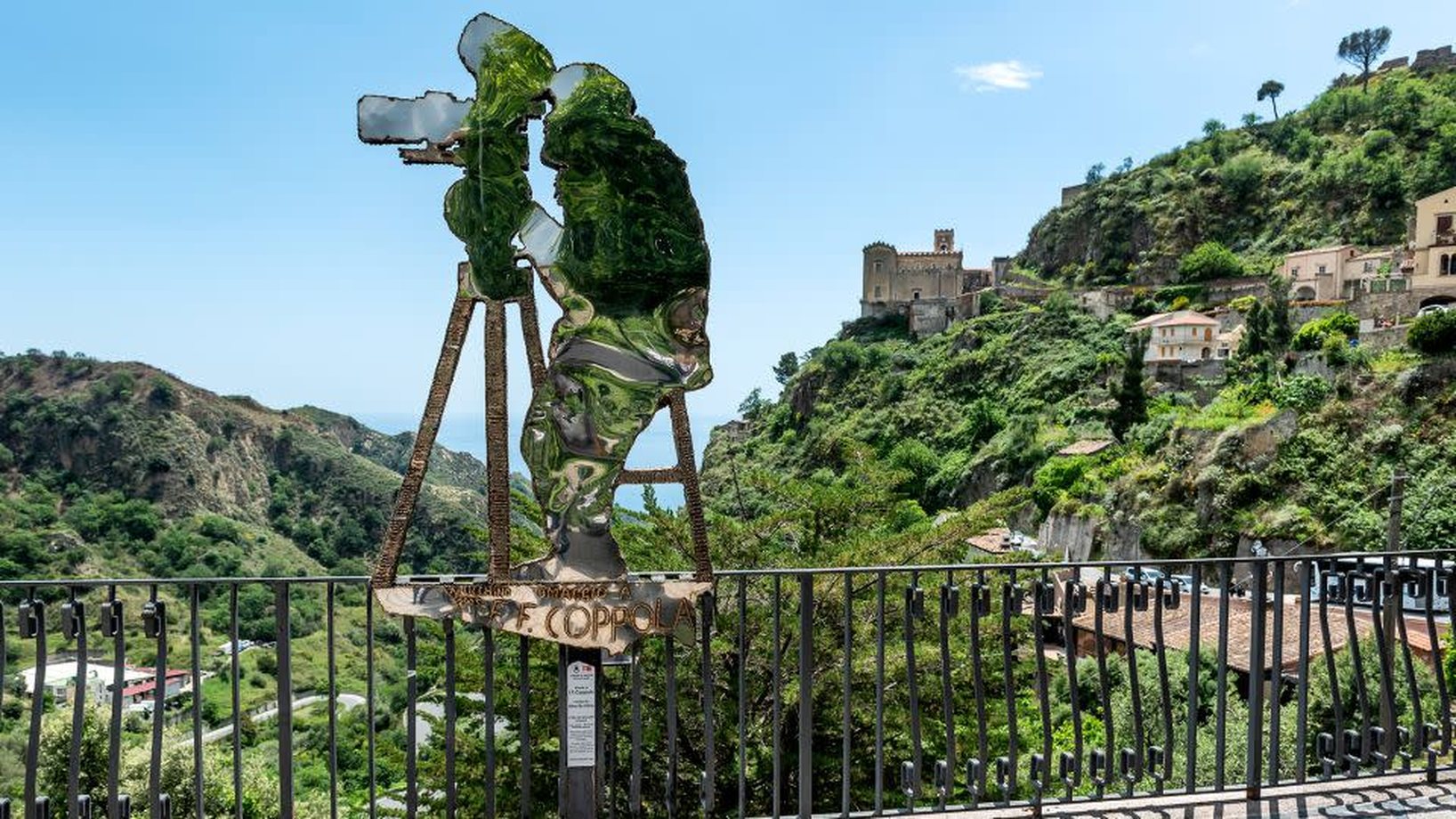
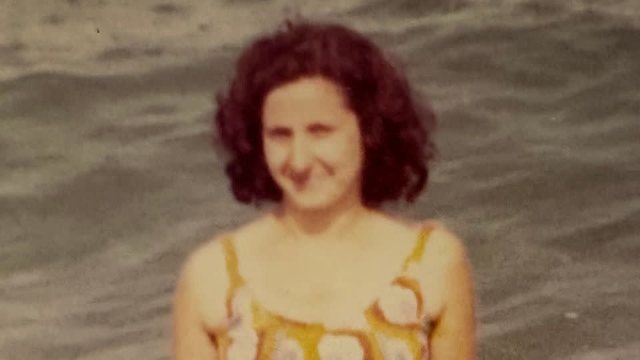
When Francis Ford Coppola landed in the small village of Savoca in 1971 to shoot the Sicilian sequences of “The Godfather,” Enza Trimarchi was just a 22-year-old seamstress. Little did she know that the movie wedding would become the turning point not only for Al Pacino’s career, but for the very existence of her home village.
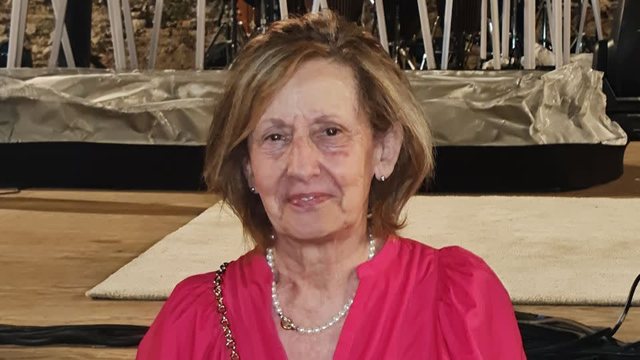
Today, at the age of 76, Trimarchi recalls with nostalgia and a little weariness the time when Savoca was a place where life had remained unchanged for centuries.
"There was nothing in Savoca. We had no running water, we drank rainwater, and we didn't even have a television," she tells CNN. "When Coppola's team asked me if I wanted to work, I was enthusiastic. We were so young and the world was coming to us."
The wedding that was engraved in the village's memory
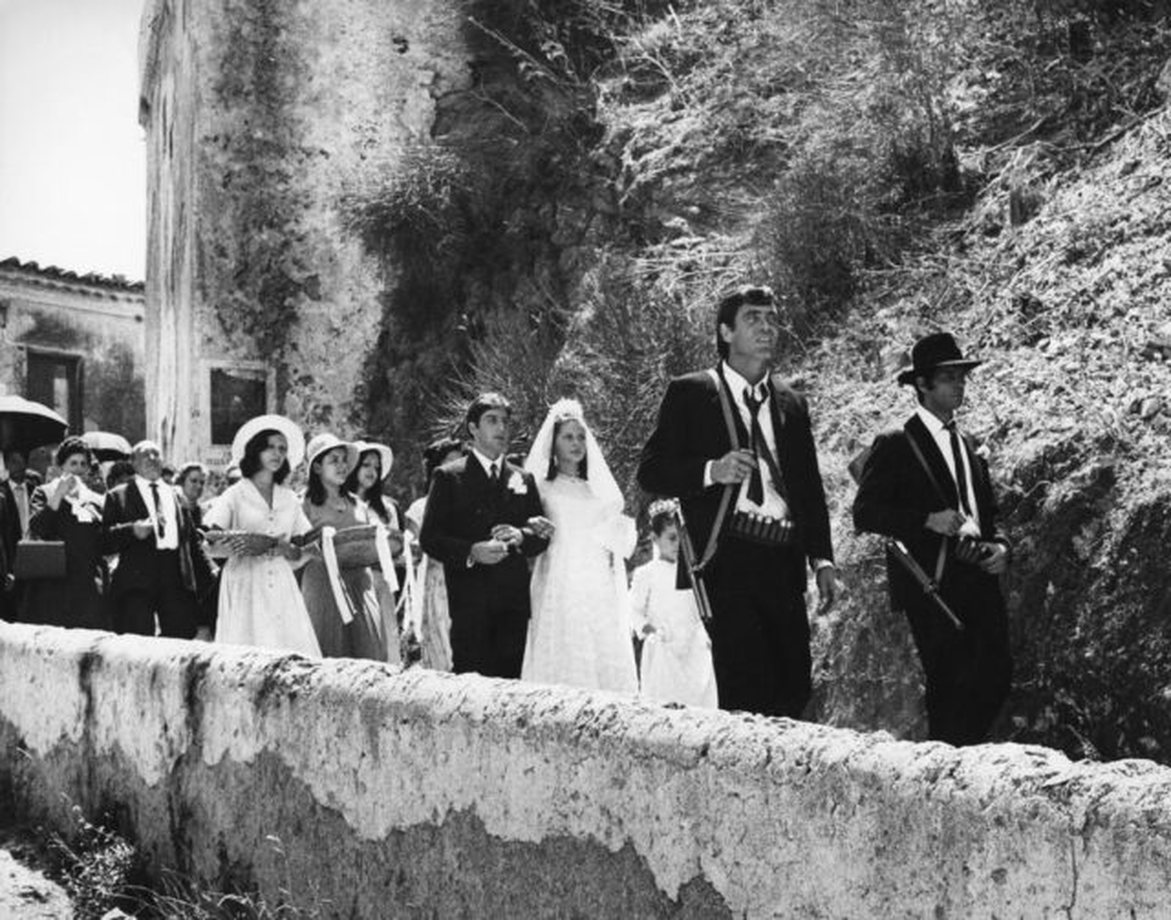
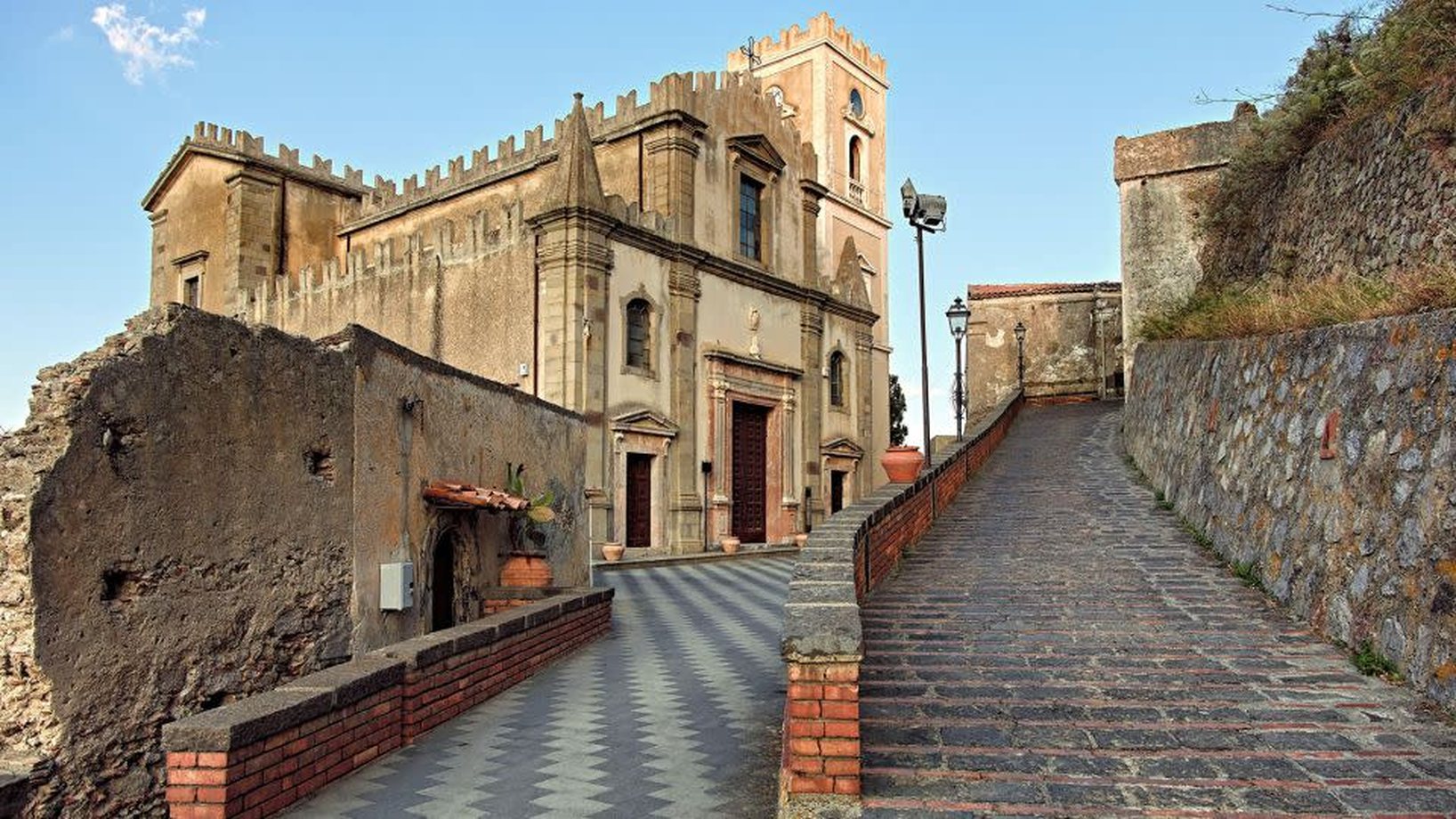
Savoca was chosen by Coppola as the place of Michael Corleone's exile, as the real town of Corleone at the time was too developed to reflect 1940s Sicily. The wedding scenes between Michael and Apollonia, filmed in the church of St. Lucia, remain a point of pilgrimage for millions of tourists today.
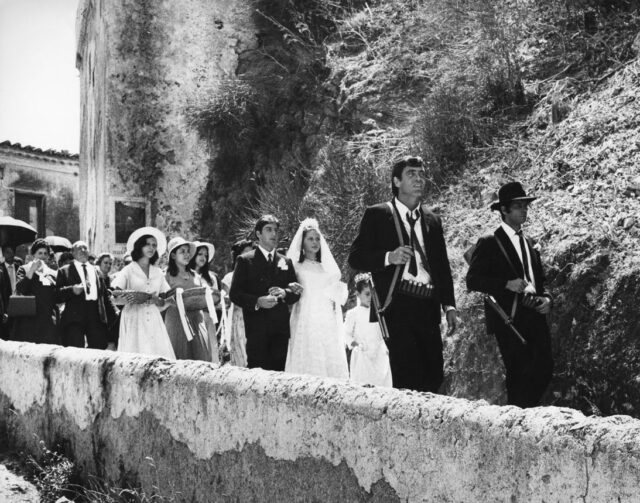
Vincenzo Pasquale, now 72, was just 18 when he was selected as an extra. He remembers his mother forcibly waking him up so he wouldn't miss the golden opportunity.
“I earned 90,000 lire (about $150). I had no job and that amount was more than most people here earn in an entire year,” Pasquale says.
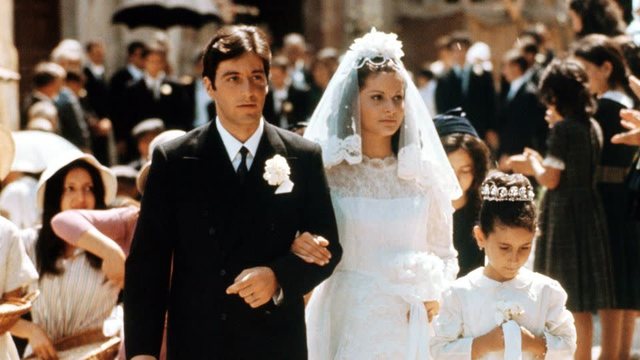
He also shares an untold behind-the-scenes story: during filming, Al Pacino hit his head on an iron staircase inside the church.
"The blood was pouring out of his head, but he just stood there speechless, not even saying 'ouch.' He was very reserved and calm."
Heritage between pride and "fatigue" from tourism
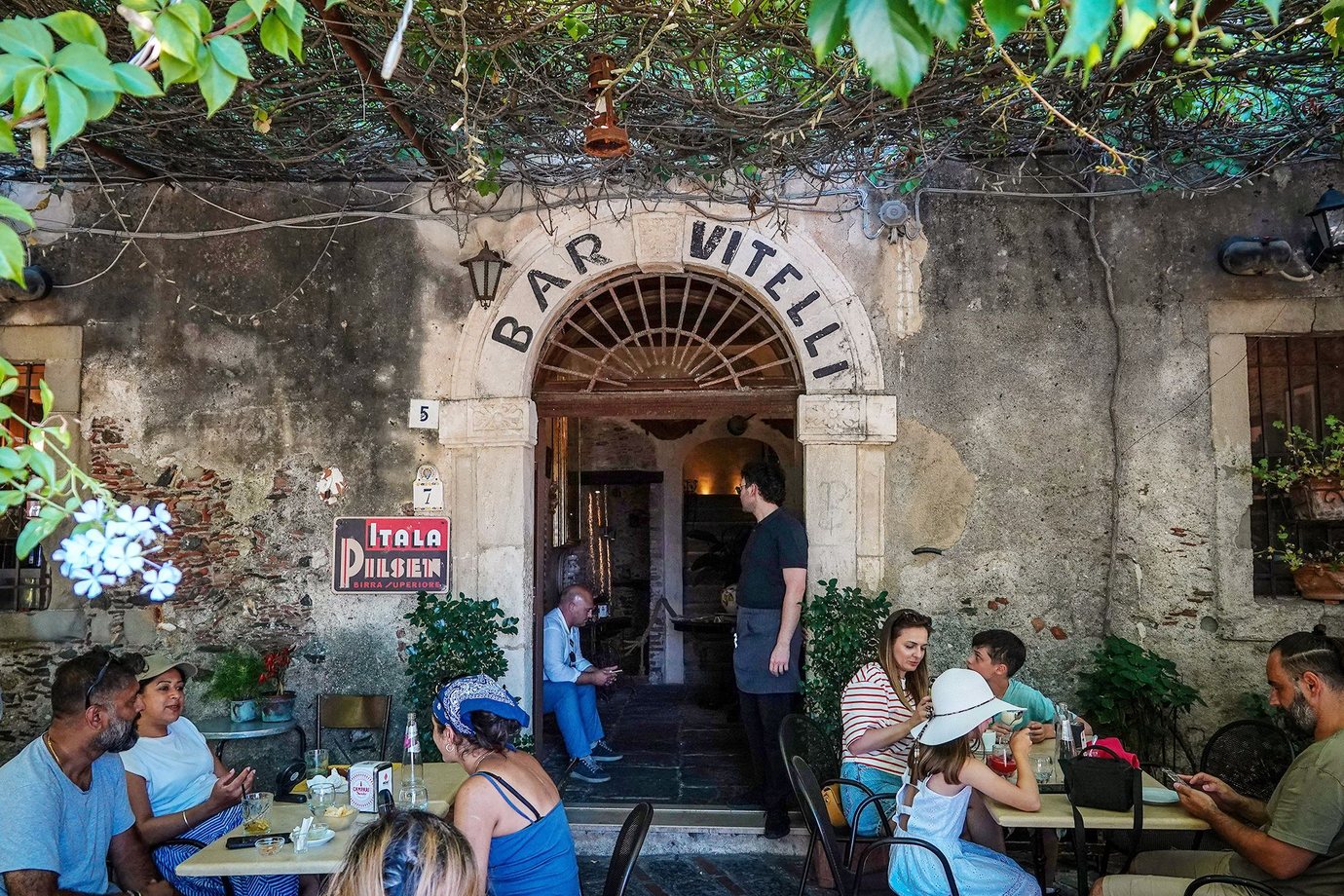
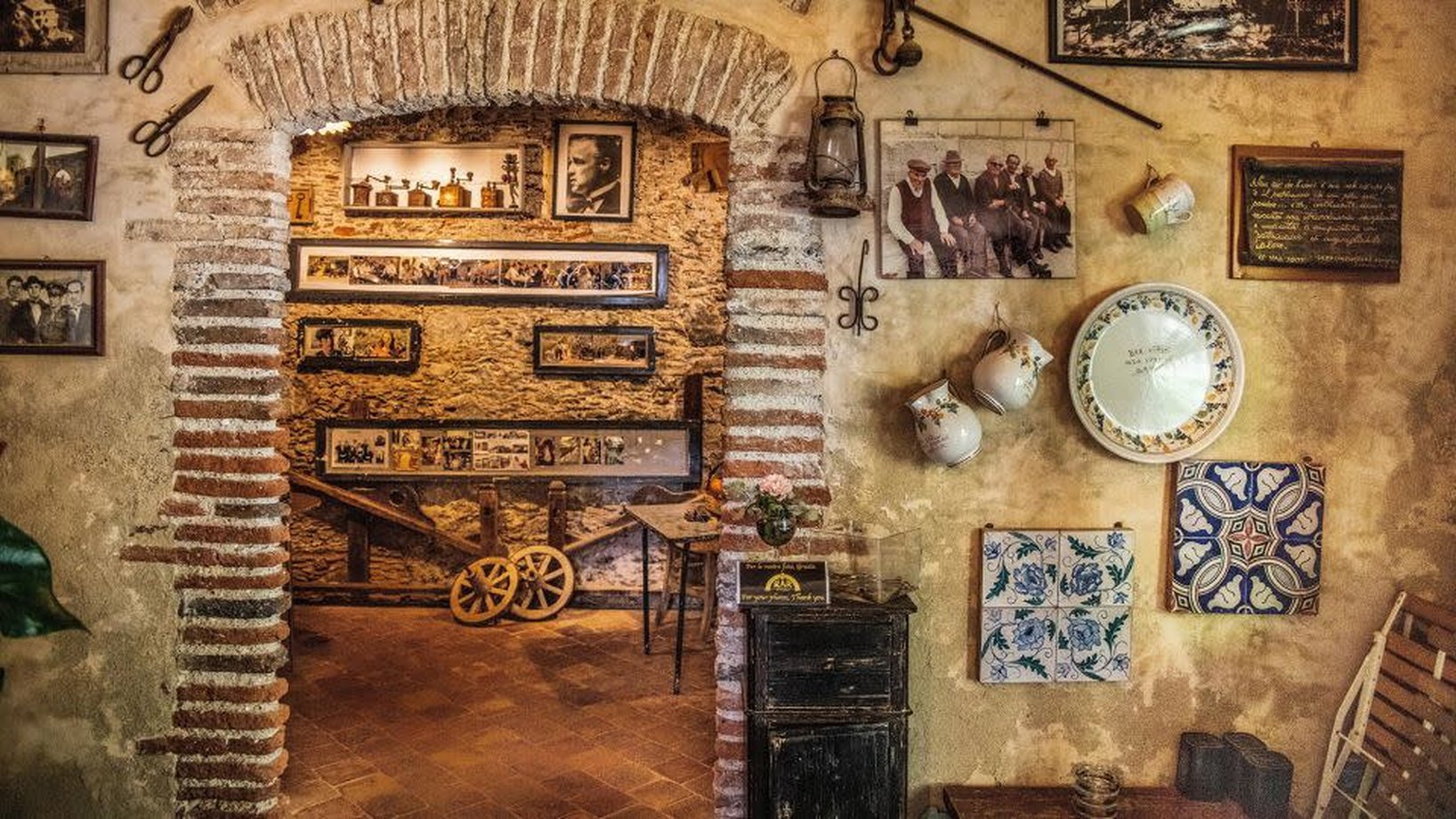
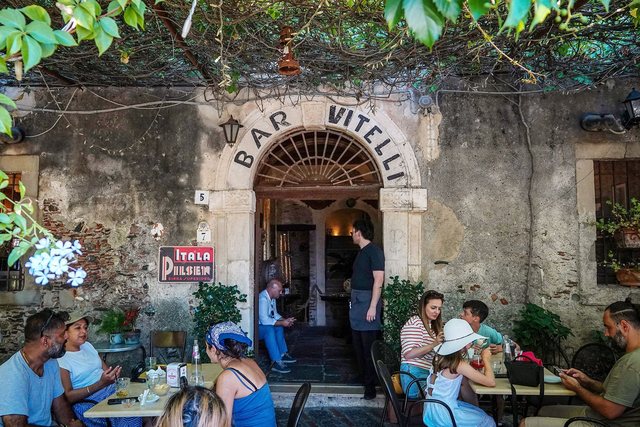
Today, Savoca has fewer than 100 residents but hosts a steady stream of tourists arriving by cruise ship from the port of Messina. Bar Vitelli, the place where Michael proposed to Apollonia's father, has become a major stop, with tourists queuing to enjoy a granita and reenact iconic scenes.
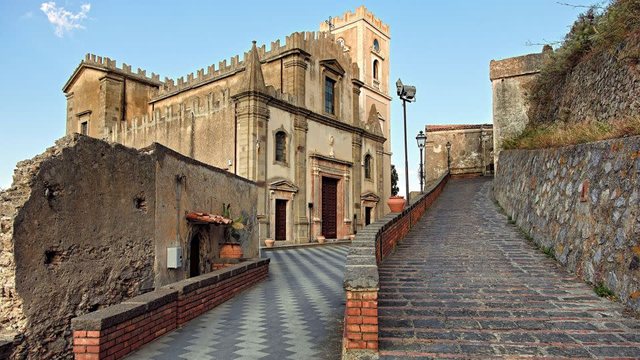
Local historian Salvatore Coglitore, who has collected the testimonies of 40 Sicilian extras for his upcoming book, explains that for the villagers, the arrival of Hollywood was something supernatural.
"It was as if UFOs had landed. The roads were cracked, there was little lighting, and the church had to volunteer its chairs because the team had nowhere to sit," Coglitore says.
A "gift from God"
For Enza Trimarchin, life after the film is a mix of emotions. She still lives in Savoca and is often asked by tour operators to sign autographs for visitors. Although she finds the process tiring, she admits that the film was a blessing.
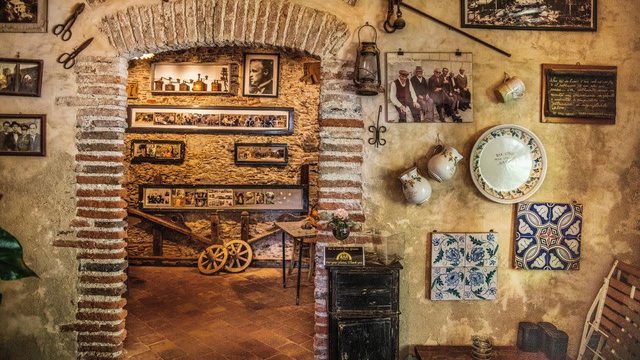
"I was paid 100,000 lire. If I had known that Al Pacino would become so famous, I would have asked for a photo with him, but I didn't have a camera," she says, laughing.
In 2022, Francis Ford Coppola was declared an honorary citizen of Savoca. For the old residents, the director remains not just a great name in cinema, but the man who made their forgotten village in the Sicilian hills shine eternally on the celluloid of history.