"The fate of the homeland is in our hands" - An appeal by Ismail...
/ 2026-10-18 16:09:54Focus


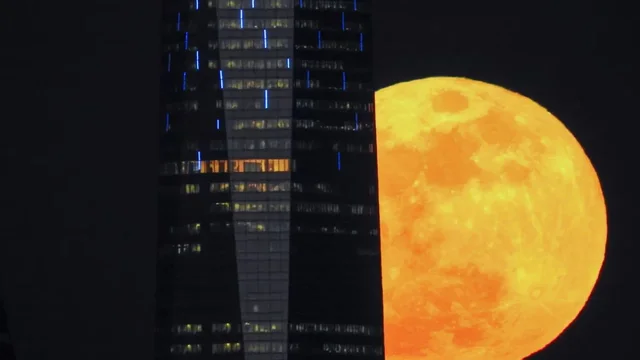
The new year 2026 enters with a spectacle from space: The Wolf Moon, or the first full moon of the year, will light up the sky this weekend, a moment that is eagerly awaited by observers, even though it will make it a little more difficult to enjoy a meteor shower, expected to occur at almost the same time period.
The silvery patch began to appear large in the sky on New Year's Eve, CNN says, and it is expected to reach maximum brightness after midnight on Saturday.
“Just before January 3 and the day after, the moon will appear full,” says Noah Petro, head of the Planetary Science, Geology and Geophysics Laboratory at NASA’s Goddard Space Flight Center in Maryland, USA. The moon’s strong illumination from reflected sunlight will make it more difficult for the far side of the moon to clearly see the Quadrantid meteor shower.
January's wolf moon will also be the first supermoon of 2026. It's a full moon that's closer than usual to Earth and appears bigger and brighter in the sky.
This winter moon will be one of the three closest moons to our planet this year. NASA has also provided an animation showing the lunar phases for 2026, allowing skywatchers to visualize Earth's only natural satellite all year round.