Protests, violence, curfews: From France to Albania, why Europe'...
/ 2026-10-20 23:47:20Focus



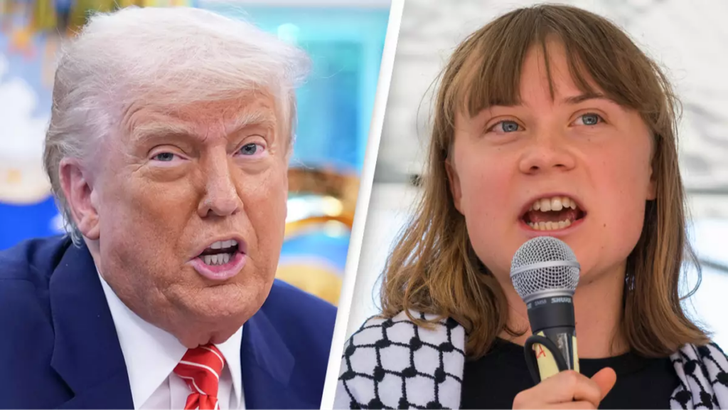
US President Donald Trump has escalated tensions with Democratic-led cities by threatening to invoke the Insurrection Act, a two-century-old federal law that would give him the right to send military troops to American cities, even without the approval of governors or mayors.
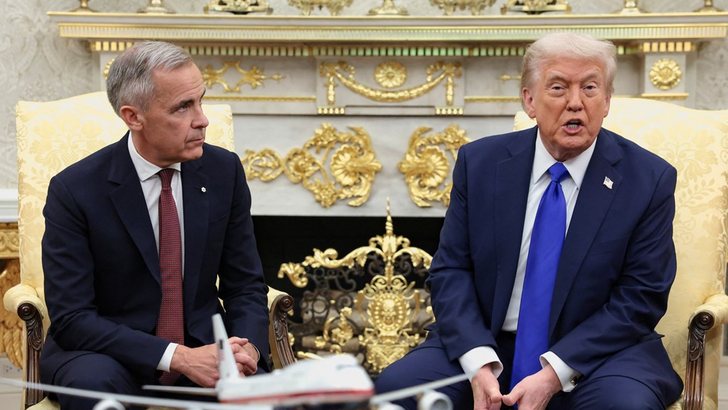
Speaking from the White House alongside Canadian Prime Minister Mark Carney, Trump said: "We are very close to a Middle East peace agreement. There is a real opportunity to achieve peace, not just for Gaza, but for the entire region."
But as Reuters points out, his strongest statements were made regarding the situation within the US, where he said: "We have the Insurrection Act for a reason. If people are being killed and the courts, governors or mayors prevent us from intervening, yes, I will use it."
What is the Sedition Act?
This 1807 law gives the president the power to use the military in extraordinary situations, such as riots or rebellions. It is usually used at the request of governors, but in rare cases it can be activated without their permission, as happened in 1965 in Alabama to protect civil rights protesters.
Currently, hundreds of National Guard troops from Texas are en route to Chicago, following Trump's order, despite strong opposition from Illinois' Democratic governor, JB Pritzker, and local mayors.
The clash with democratic cities
Trump has ordered troops to be sent to Portland and previously to Los Angeles and Washington, D.C., arguing that violence is rife in those cities. But local officials have denied this, saying the protests have been largely peaceful.
In Chicago, for example, while Trump has described the city as a “war zone,” daily life has continued as normal, with people going to work, to theaters and to the beach. According to local authorities, crime is down, and protests are few.
One of the most violent clashes was recorded in the suburb of Broadway, near an immigration center, where protesters were confronted by federal forces who used tear gas and rubber bullets. Several were arrested, including a journalist.
The state of Illinois and the city of Chicago have sued the Trump administration to block the deployment of National Guard troops from Texas and to prevent the “federalization” of their local troops. A federal court in Oregon has temporarily blocked Trump from sending troops to Portland.
If Trump tries to formally invoke the Insurrection Act, he will face strong legal challenges.
However, according to the Supreme Court, only the president has the authority to decide whether the situation justifies the use of this law, when federal authority is faced with "illegal blockades or rebellion."
This would be an extremely rare use of presidential power to deploy military troops against American citizens. Critics have accused Trump of using the troops as “political props” for his campaign, while civil rights advocates call it a serious threat to democracy.