Protests, violence, curfews: From France to Albania, why Europe'...
/ 2026-10-20 23:47:20Focus


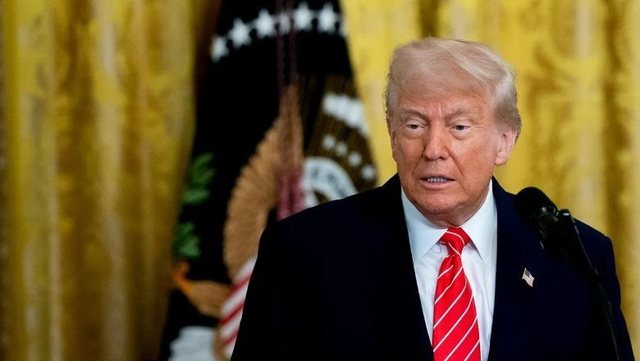
The United States will stop commenting on the credibility, integrity, and legitimacy of elections in other countries, a radical departure from its long-standing 'tradition' of promoting democratic elections around the world.
A new directive, signed Thursday by Secretary of State Marco Rubio, mandates that statements about foreign elections focus solely on congratulating the winning candidate and “avoid expressing opinions on the fairness or integrity of the electoral process, its legitimacy, or the democratic values of the country in question.”
With this unexpected turn of events, the Democratic Party's €6 million lobbying to secure a US stance on the elections in Albania loses its meaning. With this new decision, even political investments in lobbying for recognition of the elections as "invalid" or for seeking diplomatic intervention in the name of "protecting democracy" no longer have any value for official Washington.
Essentially, the US will no longer serve as a 'judge' for electoral processes abroad, including in Albania, where statements are always issued by the US Embassy in Tirana for free and fair elections before and during elections.
The State Department will make public statements about the election only when “there is a clear and compelling U.S. foreign policy interest in doing so,” the memo said, which emphasizes the importance the administration places on “national sovereignty.” A copy of the document was seen by The Wall Street Journal.
This move marks a further step in the reshaping of US foreign policy instruments under President Trump, which has also included the dismantling of the Agency for International Development (USAID), the termination of funding for Voice of America, and deep cuts to the State Department.
The goal, at least in part, is to send a signal to the world that the US is no longer interested in pressuring foreign governments to undertake domestic reforms such as competitive elections, a pillar of US foreign policy since the Cold War, supported by both parties.
In a statement about Rubio's order, the State Department stressed: "The United States will remain true to its democratic values and will applaud those values when other countries choose to follow the same path."
The United States has historically used statements about foreign elections to promote free and fair voting, trying to encourage countries to democratize and isolate authoritarian regimes that manipulate elections. In some cases, the United States has avoided public criticism of allies that conduct dishonest elections.
In the 2024 Venezuelan elections, the US recognized opposition candidate Edmundo González Urrutia as the legitimate elected president, even though Nicolás Maduro claimed victory. Although Maduro did not relinquish power, the US recognition helped the opposition gain international legitimacy and shed light on his regime's suppression of free elections.
U.S. embassies often closely monitor elections in other countries, in cooperation with non-profit election monitoring organizations, and report their findings to Washington.
Public statements by the State Department, or warnings that the U.S. is closely monitoring elections, have had a major impact, especially in authoritarian countries where opposition parties are excluded or face repression. Washington’s views are important to opposition and human rights groups, who see them as a tool to pressure governments.
“The United States has a unique ability to push other countries in the right direction, often by empowering courageous citizens who are fighting for change,” said Ned Price, a State Department spokesman under the Biden administration. Just three days before leaving office, the Biden administration condemned the rigging of the January election in Belarus, which gave authoritarian President Alexander Lukashenko another victory.
U.S. findings on the election help inform decisions about sanctions against those who undermine electoral processes or aid and security programs.
“In many cases, it is the people who risk their lives to denounce unfair and unreliable elections,” said Nicole Widdersheim of Human Rights Watch. “The U.S. embassy may be the only entity that gives voice to these injustices.” In May, Trump promised in a speech in Saudi Arabia that the U.S. would no longer tell other countries how to govern themselves, criticizing previous U.S. interventions that he said had failed to improve things.