Protests, violence, curfews: From France to Albania, why Europe'...
/ 2026-10-20 23:47:20Focus


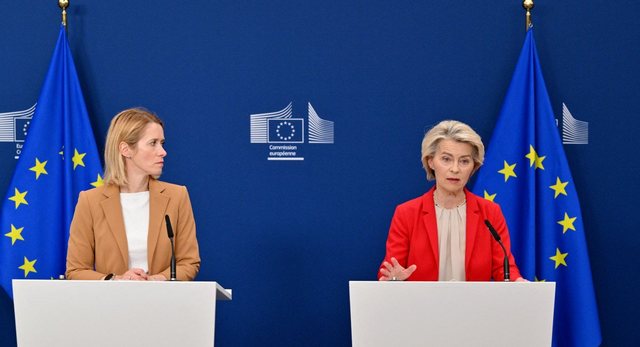
The European Union has agreed to impose a new round of sanctions against Russia, targeting the country's energy and financial sectors, in an effort to tighten control over the Kremlin's war machine and force a temporary ceasefire in Ukraine.
The sanctions, approved by ambassadors in Brussels on Friday, ban transactions with 22 Russian banks, the Russian Direct Investment Fund and its subsidiaries, as well as the direct and indirect use of the Nord Stream undersea pipelines, which are currently closed but which Moscow seeks to restart in the future.
Furthermore, the EU is converting the $60 per barrel cap on Russian crude into a dynamic mechanism that will remain 15% below the average market price, according to diplomatic sources. The new cap will start at $47.6 per barrel.
The United States, one of the main supporters of the restriction at the G7 level during the previous administration, has not supported the downward revision.
In addition, another 105 ships belonging to the “shadow fleet,” the old tankers that Moscow uses to circumvent the capped price of crude oil, are denied access to EU ports and services. This brings the blacklist of the “shadow fleet” to over 400 ships.
The agreement represents the 18th package of sanctions since February 2022.
Political progress was only possible after Slovakia gave in and lifted its veto, which had so far prevented the adoption of new sanctions.
The Slovak opposition was related to an entirely different issue: the proposal to phase out all Russian fossil fuels by the end of 2027.
The European Commission unveiled the roadmap in May and presented the draft law in June, based on gradual bans on short-term and long-term gas contracts.
As a landlocked country, Slovakia protested loudly against the plan, warning that it would raise prices for consumers, weaken competitiveness and jeopardize energy security.
Since the gradual lifting is subject to a qualified majority, Bratislava resorted to sanctions, which require unanimity, to extract concessions from Brussels.
During an EU summit last month, Slovak Prime Minister Robert Fico raised the bar with a series of demands for financial compensation.
Fico said his country risked facing a lawsuit from Gazprom, Russia's gas monopoly, worth between 16 and 20 billion euros over the termination of its long-term contract, which runs until 2034. The commission argues that the gas bans will act as "force majeure" in court and protect governments and companies from damages.