"We are drowning..." - From Lisbon, Milan to Tirana, "The Guardi...
/ 2026-10-18 23:13:32Focus


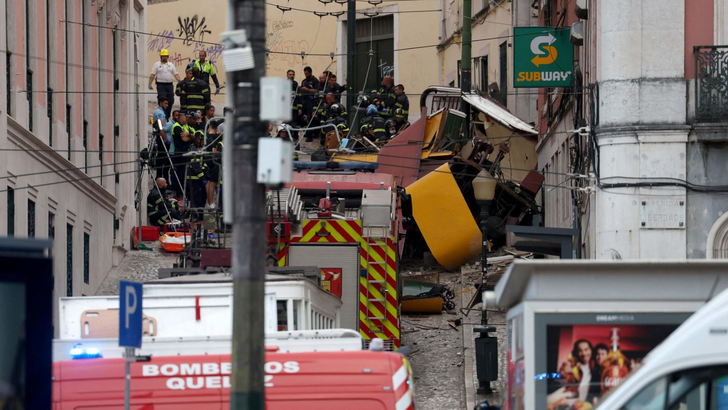
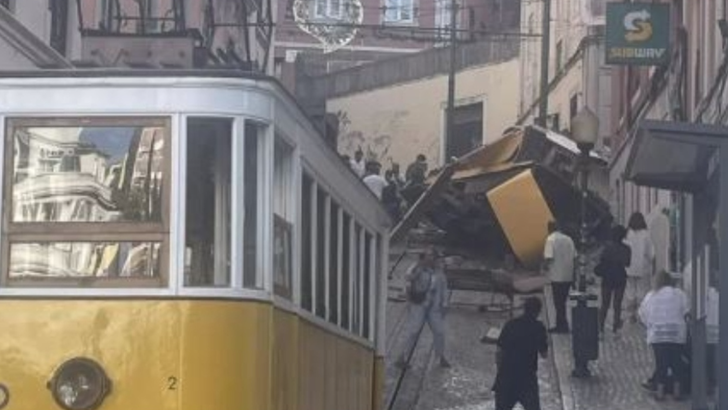
The “Elevador da Glória” derailed and crashed, killing 17 people. 20 others were injured; at least 5 of them are in critical condition.
Police are working with the tram company to determine exactly who was on board and what caused the crash. Local media have focused on the cable that powers the tram's counterweight system, which allows it to travel up and down the steep hill in central Lisbon. The system has been in use since 1914. It was originally powered by water, then steam and is now electric. In addition to the cable, however, there are questions about how the vehicle managed to derail and why the braking system was not sufficient to stop it from going down the steep slope. Witnesses at the scene also noted this.
"The tram was going at full speed on the steep road and hit a building. We saw it hit with brutal force and collapse like a cardboard box, there were no brakes," said Carla Gomes, a witness.
According to SIC Notícias, which referred to the railway operator, the main suspicion for the cause of the serious incident is precisely the brake failure, but this is being verified. Experts also insist on the importance of increasing controls.
"We need to do more inspections and have more staff. We spend time talking about safety, but on the other hand we have more and more accidents. I work on a construction site and we always have more training on safety. We need a thorough investigation to see what went wrong and prevent it from happening again," says Adriano Santos, an electrician.
The Portuguese government declared today a day of national mourning throughout the country. It is believed that among the victims of the tram crash, considered a genuine tourist attraction, there are also foreign nationals. It normally had room for about 40 passengers, but was not fully occupied. Such an accident with an electric tram had never happened before in Lisbon.