Is this police force professional and capable of handling violen...
/ 2026-10-16 18:54:07Focus


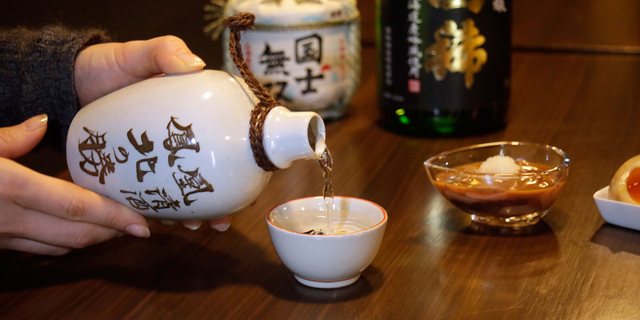
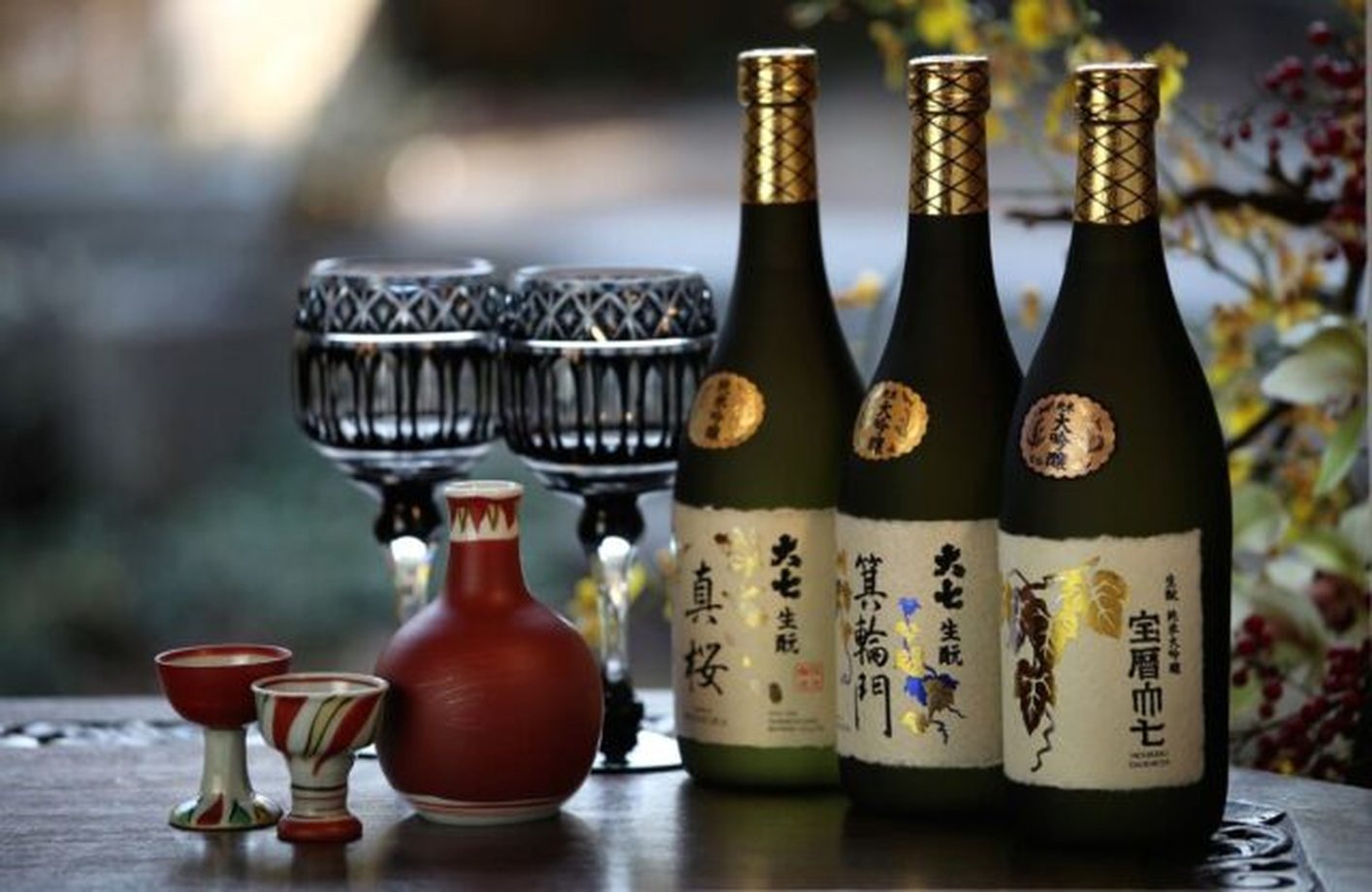
At first glance, it looks like a routine trade dispute, but behind the clogged sake bottles lies one of the most serious diplomatic crises in recent years.
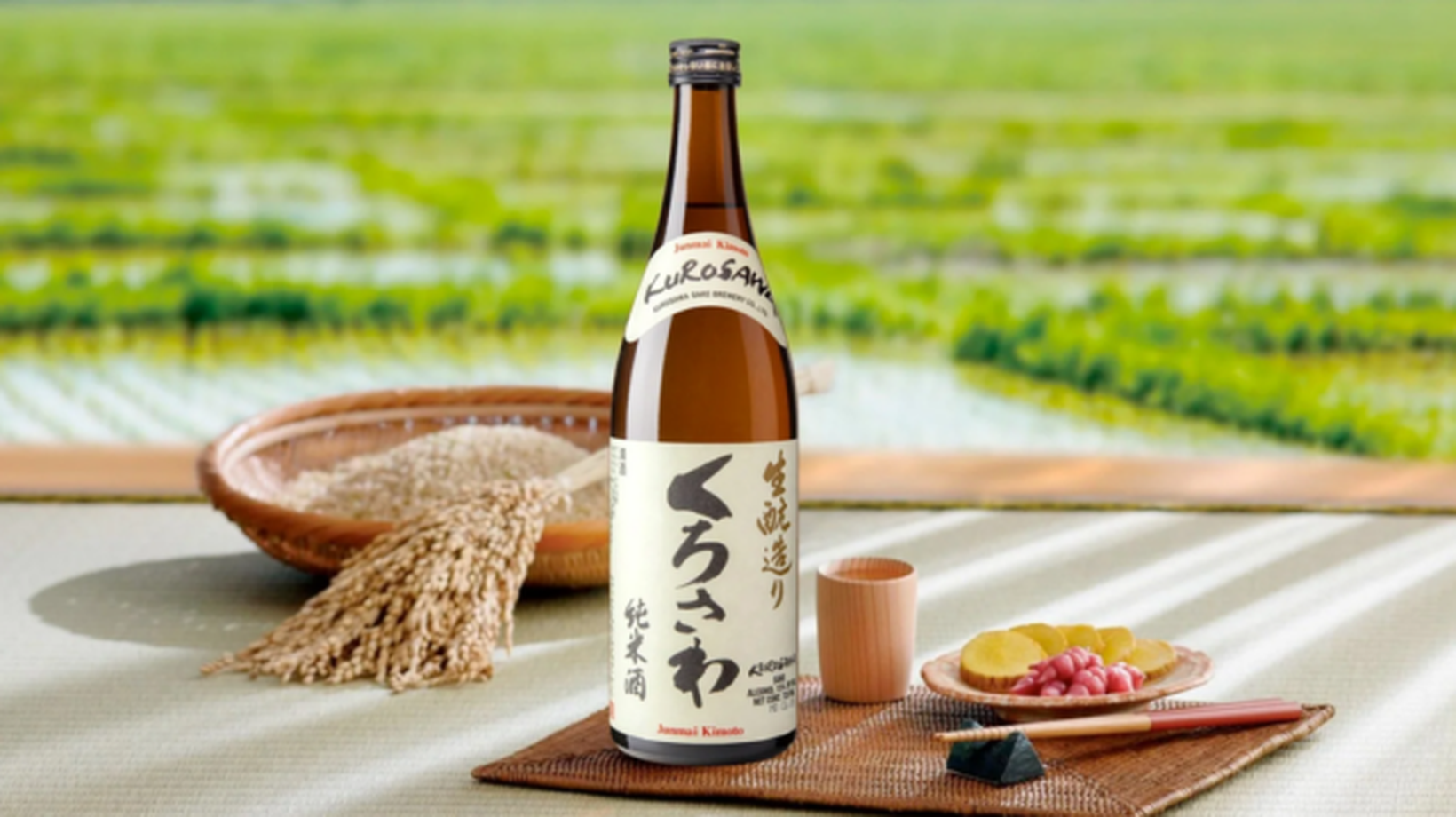
Japan's national drink, an alcohol made from rice, has become the unexpected victim of a war of nerves between Beijing and Tokyo, showing how this year, trade is being used as a "political whip".
The "revenge" that begins at customs
It all started after strong statements by Japanese Prime Minister Sanae Takaichi on the military defense of Taiwan. Frustrated by what it considers "interference", Beijing has chosen a roundabout way to strike: blocking Japanese food products.
According to the Kyodo news agency, customs procedures for sake at Chinese ports have doubled in time, dragging on for weeks under a deliberate bureaucratic "laziness" aimed at bringing Japanese exporters to their knees.
China remains the main market for this drink, worth 11.6 billion yen (75 million euros), and this lockdown directly hits the Japanese rural economy.
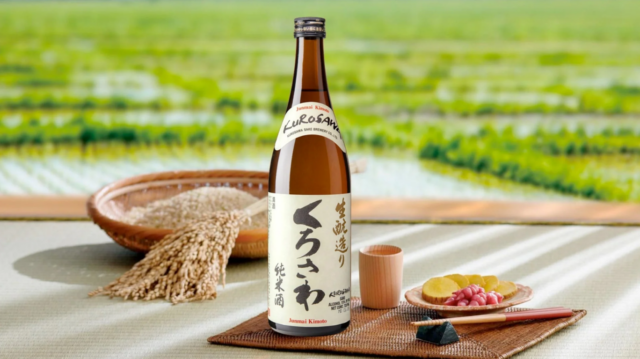
The fight beyond alcohol
But sake is just the tip of the iceberg. The dispute has escalated into vital sectors such as semiconductors and rare earth minerals. China has significantly tightened export licenses for metals that Japan uses in its defense and high-tech industries.
In response, Japan is preparing the ship "Chikyu" to launch the world's first deep-sea mineral exploration operation, up to 6,000 meters deep, attempting to break its 70 percent dependence on Chinese imports.
A growing threat
Beyond the numbers, the situation on the ground is tense. Beijing denounces Tokyo's "militaristic demons," while a recent poll shows that 68 percent of Japanese see Chinese military power as the number one threat.
What started as a ban on an alcoholic beverage is turning into a battle for dominance in Asia. The year 2026 is showing us that when dialogue is lacking, even a traditional product can serve as a spark to ignite a global conflict.