"Condemned" protesters?! Who trapped Rama inside the Prime Minis...
/ 2026-10-23 16:02:00Focus


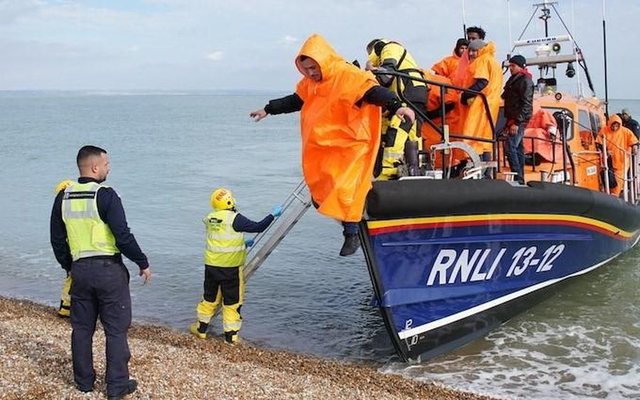
The British government's controversial plan to transfer asylum seekers who have arrived illegally in the UK to Rwanda has been given the green light in Parliament, after a marathon back-and-forth between the House of Lords and Commons that lasted late into the evening. .
Lawmakers' amended plan bounced back and forth between the two Houses of parliament, but they ultimately agreed not to make further changes, ensuring the bill becomes law after two years of legal battles and political wrangling.
The project by Prime Minister Rishi Sunak and the Conservatives will force judges to consider Rwanda a "safe country". Meanwhile, officials processing asylum claims will be able to ignore parts of international and domestic human rights law to avoid a British High Court ruling that the deportation of migrants to Kigali is illegal.
To get the green light, the British government faced an uphill parliamentary battle. The House of Lords criticized the bill as insufficient, noting in particular that Rwanda could not be considered safe until an independent monitoring body said it was. MPs in the Conservative-majority House of Commons voted against any amendments and asked the Lords to reconsider their position in a process known as "parliamentary ping-pong".
After the approval of the "Rwanda plan" the question is when is a plane likely to take off from British soil to Kigali?
Technically speaking the first flight could take place 12 days after King Charles III has given royal assent, which then officially turns the bill into law.
In practice, the first flight date is likely to be later than this. According to Prime Minister Rishi Sunak, the first asylum seekers will leave about 10 to 12 weeks later, which means at the end of June or the beginning of July.
"This is later than we would like," Sunak said Monday, acknowledging the government would miss its deadline for a spring flight.