Berisha: Altin "Troplini" Dumani amnestied electoral crimes, SKA...
/ 2026-10-19 11:44:20Focus


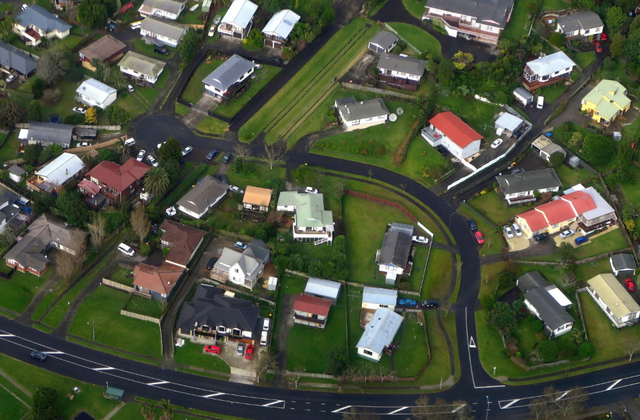
Three years ago, New Zealanders found it almost impossible to imagine the country's high house prices falling.
The market was considered one of the least affordable in the world, with house prices nearly nine times higher than median incomes and a very low supply. First-time home buyers faced competition from wealthy investors, being excluded from the market.
Some of those on low wages or out of work ended up homeless, and waiting lists for social housing grew significantly. By mid-2021, the crisis had reached its peak, with the national median house price exceeding NZ$1 million.
But now, prices are falling. According to state valuer QV, the national average has fallen 13% since 2021, while in Auckland it has fallen almost 20% and in Wellington 30%, prompting questions about whether New Zealand has managed to reverse the housing crisis and what this could mean for other hot markets around the world.
What caused the market to overheat in New Zealand?
In the decades before the pandemic, homeownership became an increasingly distant hope for many locals. Urban planning regulations hindered housing development, public housing was being sold off, and the population was growing rapidly, increasing pressure on the limited supply of housing.
Incomes were not growing at the same pace as house prices, and the country's tax and credit systems favored investors and homeowners, making it difficult for first-time buyers to enter the market.
The housing crisis worsened significantly during the pandemic.
“Covid took the situation to another level,” says Brad Olsen, economist and executive director of Infometrics.
“To stimulate the economy, we lowered interest rates to record lows, and that worked very well – so well that house prices rose 20-30% within a year nationally.”
When home prices rise, investors “become very active,” says Andrea Rush, national spokesperson for VC.
Meanwhile, high emigration during that period increased pressure on the market.
“We have had over 100,000 net and domestic migrations each year, all looking for a place to live,” Rush said.
Why are house prices falling now?
Now, that's changing. The latest quarterly VC data shows that the national average has fallen 13.1% since its peak in January 2022, bringing the new median home price to just over $900,000.
Many factors are driving this downward trend, Rush said. Extremely low rates during the pandemic have risen to around 7-8% in recent years, making borrowing “extremely difficult.”
High unemployment and record numbers of locals moving abroad have also changed the landscape, Rush said.
Meanwhile, intensification policies are bearing fruit, says Dr. Michael Rehm, senior lecturer in wealth at the University of Auckland.
“At all levels of government, they want to increase the supply of housing,” Rehm said, adding that as demand slows and supply increases, the perception that housing is a safe investment is declining.
"Buyers and sellers are starting to realise that house prices in New Zealand don't always go up, and we are finally breaking this long-held belief."
Is New Zealand's housing crisis over?
For those who bought at the peak of the market, the price drop may be a bitter blow, but the news will be good for first-time buyers and renters, who are experiencing cheaper rents.
Is the housing crisis over? Experts answer with a clear "no."
About 40% of the average household income is spent on mortgages, more affordable than the peak years of about 47%, but still not affordable.
Rehm said that solving the crisis requires bringing house prices more in line with household incomes. “But we are still a long way off,” he said.
Meanwhile, interest rates are higher than during the peak. Paying a mortgage at 6% or 5.5% interest, compared to 2% during the pandemic, can make housing more expensive, Rush says.
Premier Christopher Luxon told RNZ this week that he hopes to see small price increases, while his housing minister, Christopher Bishop, wants to see decreases.
“The direct price drop would actually be a benefit,” Olsen said, adding that separating investment from housing is a positive thing.
That will be difficult because many people have their assets tied to a home, Olsen said.
"But over time, we've seen the social ills and social challenges that have been created by a market that's too hot and too expensive."
What does this mean for other markets?
New Zealand has long been seen as a warning sign for global real estate markets. It's not alone in experiencing a sharp drop in house prices. Prices in Canada have fallen by C$150,000 since 2022, leaving the average Canadian home about 20% cheaper.
Australia, meanwhile, has yet to experience a major downturn and will “watch carefully what’s happening here,” Rehm said. Like New Zealand, Australia doesn’t have many institutional investors in the market.
“Most are small investors… they all rely on the fact that [house] prices will go up, and if they don’t, then it’s a big problem.”
Olsen said Australia could look at New Zealand's slowing market with jealousy as their prices continue to rise.
“If I were to look at other countries like Australia, I'm not sure I could say: 'anything is getting better'. Prices just keep getting more unaffordable.”/ The Guardian