Is this police force professional and capable of handling violen...
/ 2026-10-16 18:54:07Focus


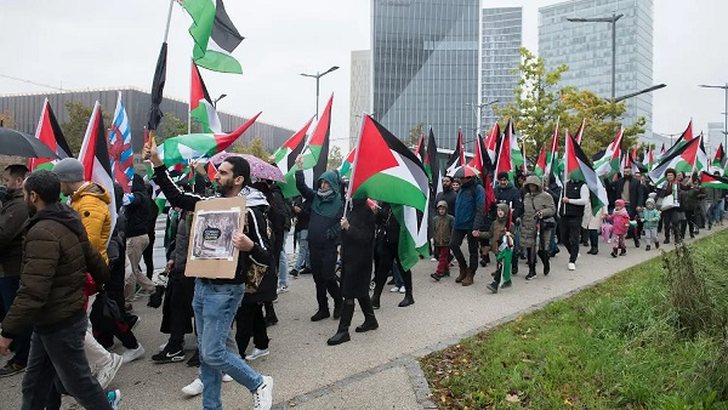
The British government is expected to recognize the state of Palestine today, September 21, marking one of the biggest foreign policy shifts in London in decades.
The decision comes after months of internal debate and strong political pressure, both from Labour MPs and communities directly affected by the war in Gaza.
Prime Minister Keir Starmer had announced this step back in July, making it conditional on a ceasefire and a commitment to a two-state solution. But as these conditions were not met, Downing Street chose to fulfill Labour's historic promise and announce the decision today, on the eve of the UN General Assembly.
Britain thus becomes one of the first major G7 powers to recognize a Palestinian state, after France, Australia and Canada. Foreign Office officials have stressed that the recognition is not merely symbolic, but is intended to give real impetus on the ground and encourage Arabs to demand the disarmament of Hamas.
However, the decision has also sparked strong criticism.
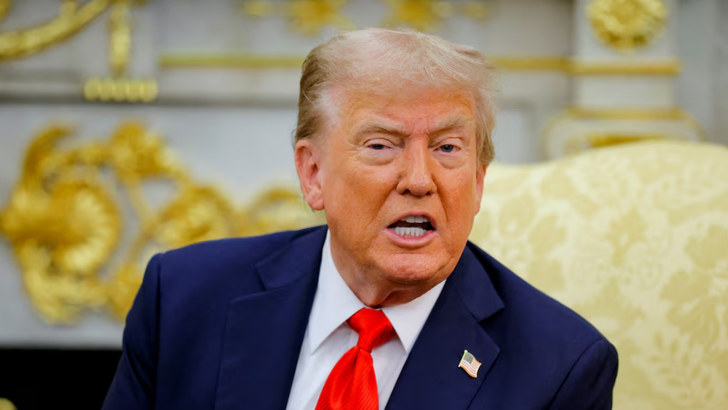
Israeli Prime Minister Benjamin Netanyahu called it "a reward for Hamas terrorism," while US President Donald Trump openly stated that he has "deep disagreements" with Starmer on the issue.
In domestic politics, the move is seen as an attempt to quell anger among the Labour electorate over the party's previous positions on Gaza.
More than half of Socialist MPs had signed a letter calling for the immediate recognition of Palestine, while some ministers saw it as necessary to maintain support in areas with universities or Muslim communities.
Critics within Labour itself warn that recognition was Britain's "last diplomatic card" and could further distance Israel from the peace process.
Meanwhile, others hail it as a belated but necessary step: Better now than never!