Protests, violence, curfews: From France to Albania, why Europe'...
/ 2026-10-20 23:47:20Focus


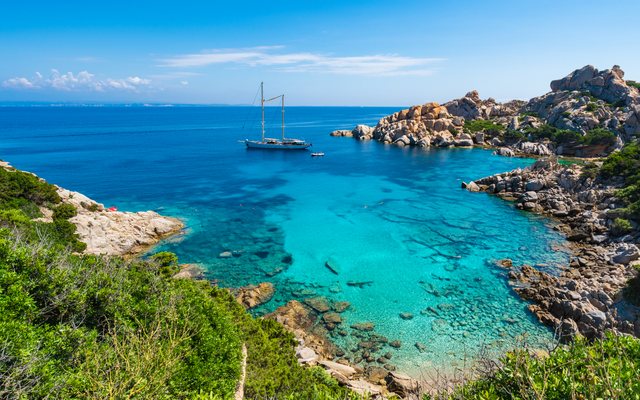
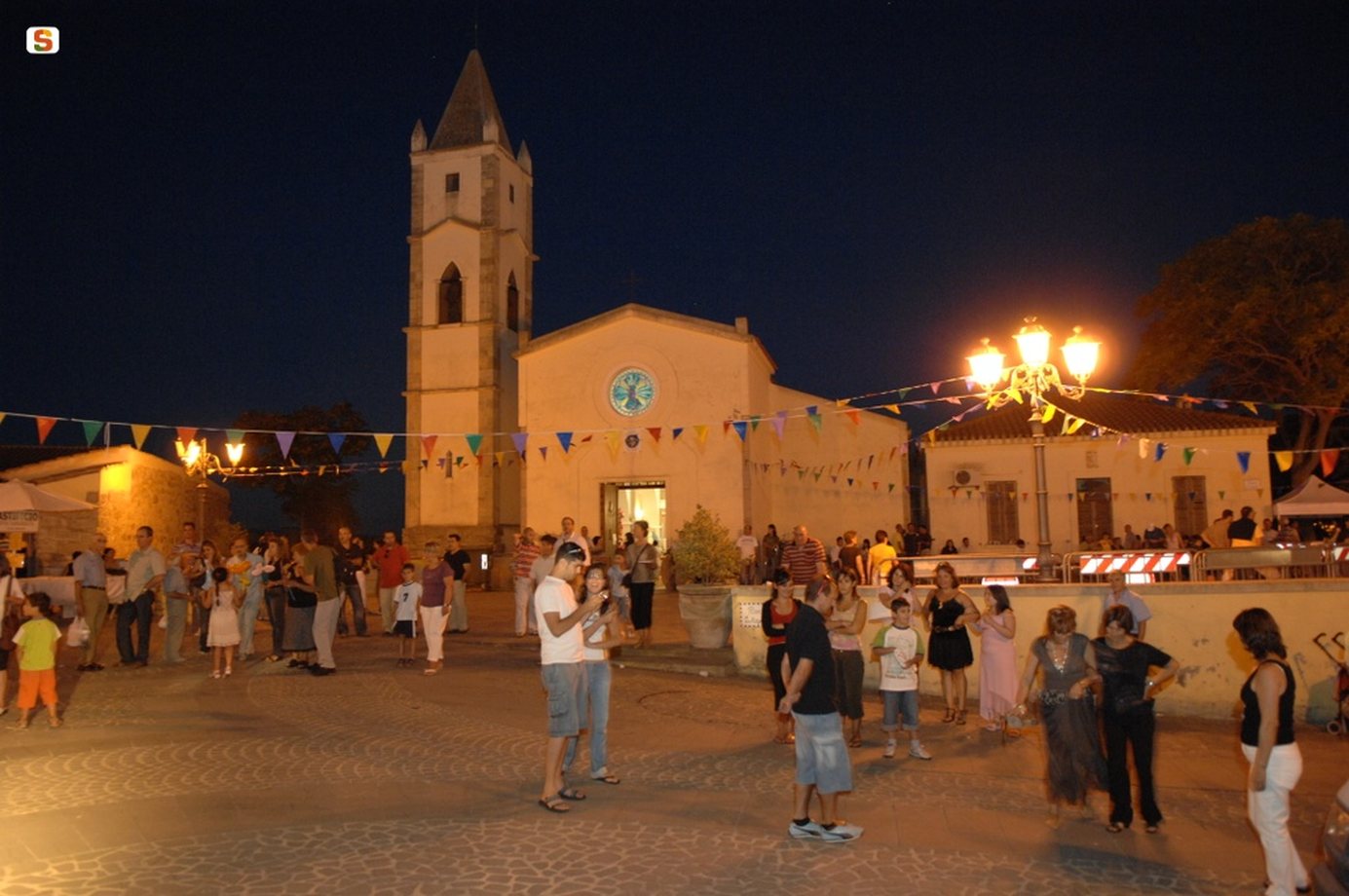
Sardinia, one of the pearls of the Mediterranean and a popular tourist destination, is facing a serious demographic crisis, following population outflows and a decline in the birth rate.
While tourists arrive in large numbers each year, permanent residents are dwindling. The island currently has about 1.57 million residents, down from 1.64 million three decades ago.
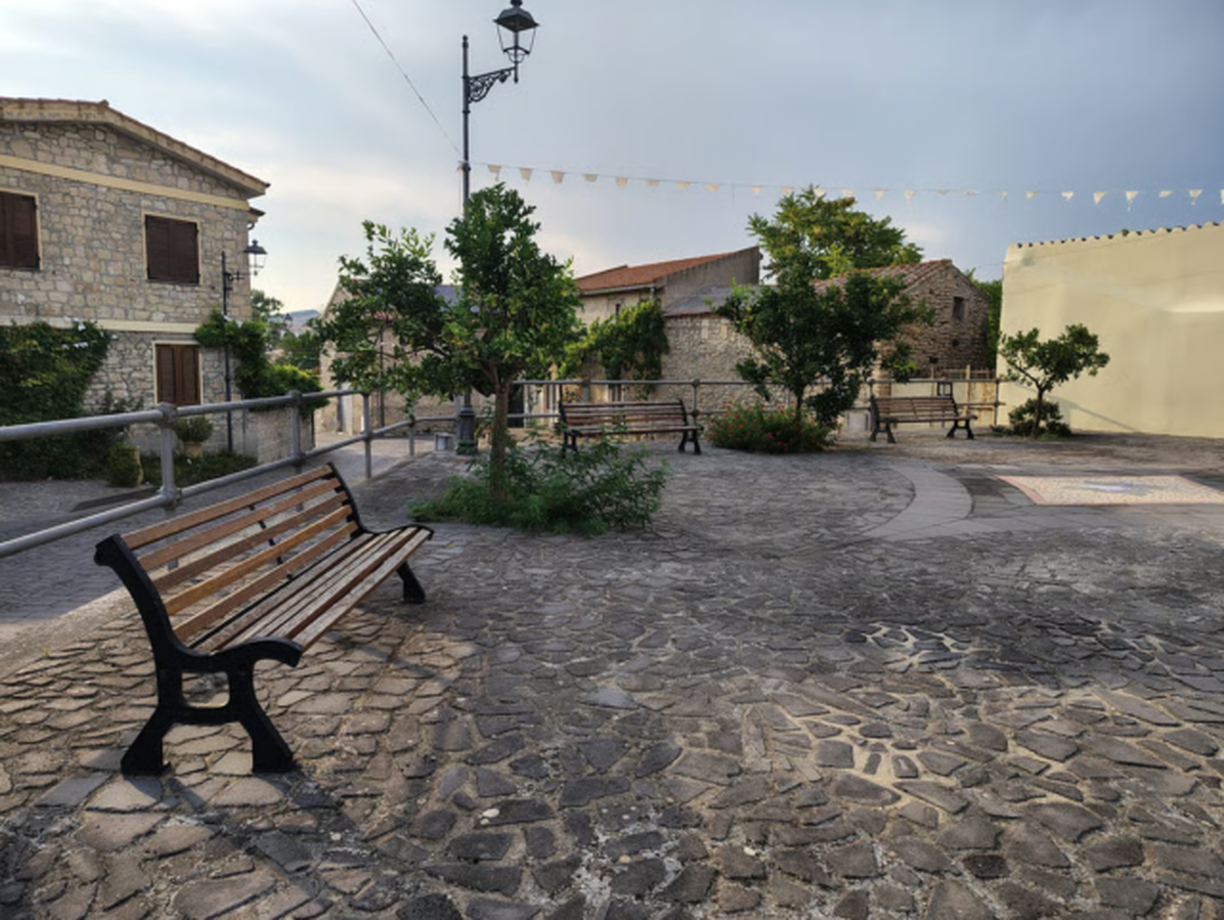
The majority of the population is concentrated in large cities, while small villages are rapidly "disappearing".
A significant example is the village of Baradili, the smallest on the island, where only 76 inhabitants live and the last child was born 10 years ago. The primary school has been closed for decades, and basic services are dozens of kilometers away.
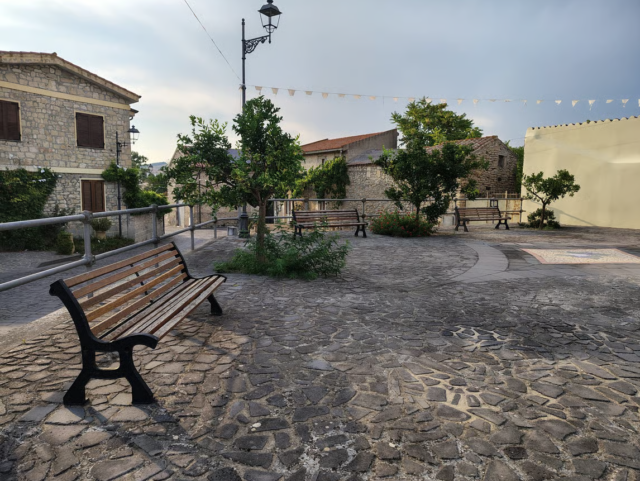
To revive the island, the central government in Rome has taken measures, even offering money to those who would move there to start a new life, whether immigrants or Italian citizens.
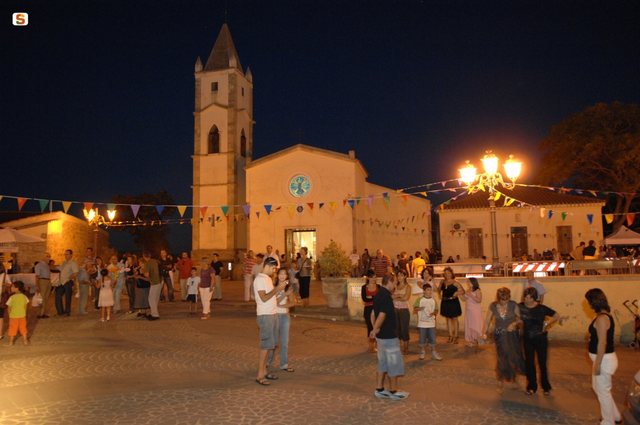
To stop depopulation, local authorities are offering significant financial incentives:
– Up to 15,000 euros to buy or renovate a house in villages with fewer than 3,000 inhabitants.
– Up to 20,000 euros to open a small business in rural areas.
-600 euros per month for the first child and 400 euros for each additional child up to the age of 5.
– Certain municipalities also offer additional bonuses, such as Baradil, which gives an extra 10,000 euros.
– Ollolai, another well-known village in Sardinia, offers houses for just 1 euro.
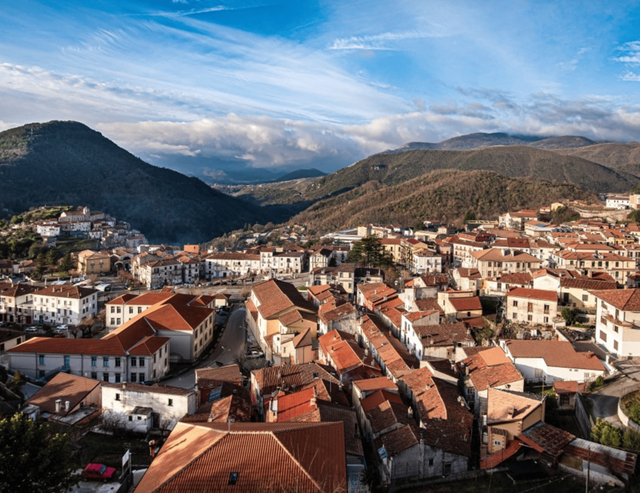
Although the incentives are attractive, the results are limited. The number of foreigners moving to Sardinia remains very low, as immigrants make up only 3.3% of the population, compared to the national average of 8.9%.
One of the main reasons is poor infrastructure in rural areas and a lack of prospects for young people. Sardinia also has the lowest fertility rate in Italy, just 0.91 children per woman, well below the level needed to maintain population stability (2.1).