Protests, violence, curfews: From France to Albania, why Europe'...
/ 2026-10-20 23:47:20Focus


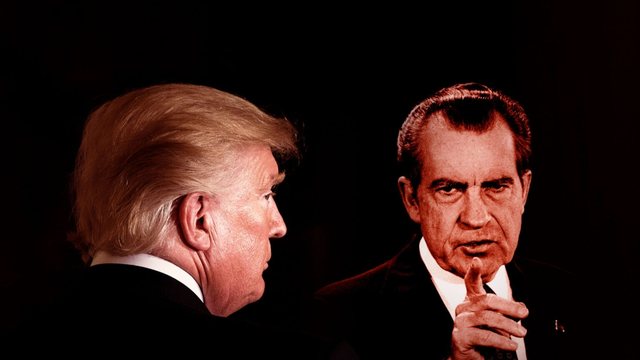
An ancient strategy based on the idea of making opponents believe that a leader is willing to do anything, just to intimidate them and win without having to fight.
Alessandra Muglia - Corriere della Sera
Whether it is a temporary ceasefire or the beginning of a real peace, it is still too early to say. But one thing is certain: Donald Trump has achieved where other presidents have failed, his plan for peace in Gaza has already received the signatures of the leaders of Hamas and Israel. A turning point in the crisis was the change in attitude towards Benjamin Netanyahu: after the attack on Hamas leaders in Qatar, Trump abandoned his soft and tolerant tone towards his old ally and forced his friend Bibi (short for Benjamin Netanyahu), albeit reluctantly, to call the prime minister of Doha to apologize.
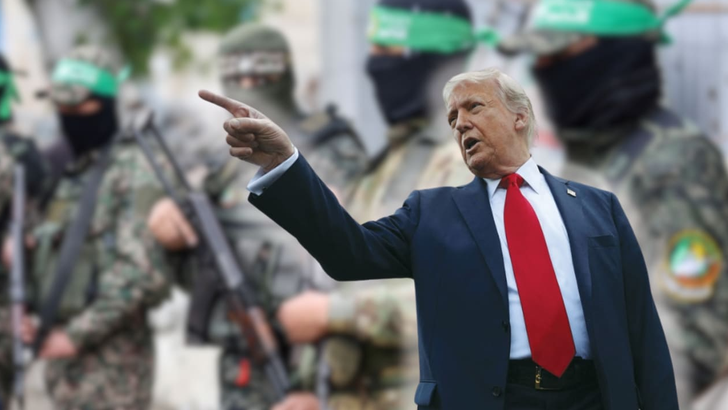
A pressure, such as perhaps no American president has dared to put on Israel before. Trump has achieved this by using the "Mad Man Theory", the one that says that everyone says yes for fear of what might happen to them if they say no.
This term, first used sixty years ago by President Richard Nixon, describes a political and diplomatic strategy that aims to make interlocutors believe that the leader is unpredictable, even irrational, ready for anything, to intimidate them and force them to surrender without the use of force. Nixon made the “Madman Theory” one of the fundamental principles of his foreign policy, precisely in the years when the US was involved in the bloody Vietnam front, at the height of the Cold War. Disappointed by the lack of quick results on the ground, in 1968 Nixon decided to change the rules of the game. His strategy envisaged intimidating the communist enemy by making him believe that he could be attacked in an uncontrolled manner. "At one point Nixon told his Secretary of State, Henry Kissinger, 'You have to tell the Vietnamese negotiators that Nixon is crazy and you don't know what he's going to do, so you better find a deal before the situation gets out of hand,'" said Michael Desch, a professor of international relations at the University of Notre Dame.
Making opponents believe you can raise hell against them, and win without a fight, is a high-stakes game, articulated as far back as the 16th century by Niccolò Machiavelli. The Florentine political scientist, in his work The Prince (1513), theorized that a sovereign could benefit by feigning madness to confuse and intimidate enemies.
Since then, many leaders have adopted the “madman theory,” presenting themselves as unpredictable and ready for drastic decisions to discourage opponents without using weapons: from Vladimir Putin, who has long threatened the West with nuclear weapons to avoid the involvement of third actors in support of Kiev, to Kim Jong-un, often portrayed as an eccentric madman capable of anything. But his aggressive and combative stance, photographed next to missiles or a map of a nuclear attack on the United States, may simply be a pure form of intimidation.