Details of the storm in the administration, here's who will resi...
/ 2026-10-22 22:25:00Focus


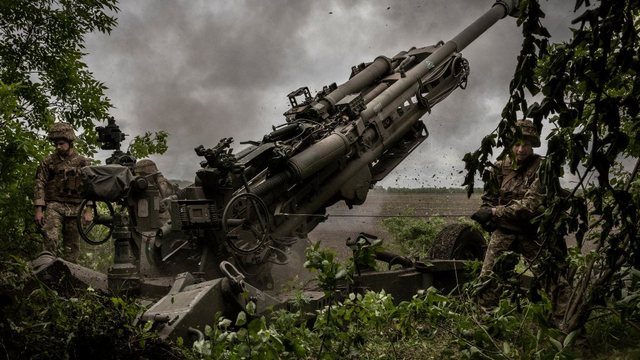
US intelligence agencies say there is a real risk if Kiev decides to use long-range missiles in Russia. The news has been reported by the American media New York Times, citing American officials, who believe that Moscow will probably respond with even greater and extremely deadly violence.
American intelligence also downplays the effect that long-range missiles could have on the course of the conflict, because the Ukrainians currently have a limited number of weapons.
The US intelligence findings may help explain in part why the decision has been so difficult for US President Joe Biden and show the internal pressures on him to say no to Zelensky's request for long-range missile systems.
U.S. officials, who spoke to The New York Times on condition of anonymity to discuss intelligence matters and internal deliberations, said it remains unclear what Joe Biden will decide next.
British leaders have been less risk averse. They have expressed support for allowing the Ukrainians to use the long-range missiles they have supplied for strikes deep into Russia, but they have been waiting for Mr. Biden to take a position on the issue before authorizing the strikes after the response of possible Russian actions could have security implications for the coalition as a whole.
Vladimir Putin's rhetoric has been combative in recent days pending a decision on long-range strikes, and at least some of Biden's top advisers believe he is likely to respond with lethal force if the decision goes according to Zelensky's plan.
But US intelligence agencies doubt that, even if the Ukrainians were allowed to use the long-range missiles, they would have a hard time changing the course of the conflict in any substantial way.
What's more, after the first strikes, they said, the Russians would likely move ammunition depots, command posts, attack helicopters and other vital battlefield functions out of missile range.