


How Belinda Balluku is fabricating the rumor about Top Channel's...
/ 2026-10-19 16:19:00Focus


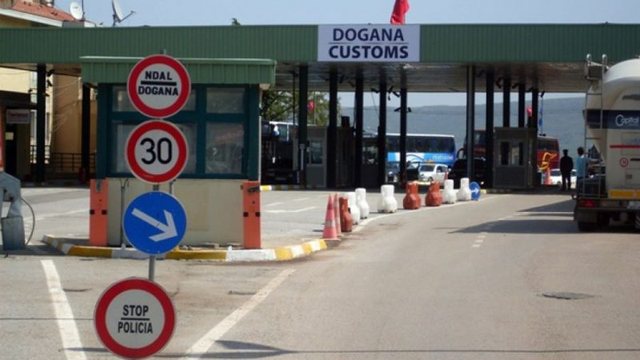
Customs calculate that they have lost 11.5 billion lek (109 million euro) for the 9-month period as a result of the negative effect created by the strengthening of the lek against the euro.
The Ministry of Finance has analyzed that the programming of tax revenues for the year 2023, which began to be designed in September 2022, was built on the basis of the assumptions of the exchange rate euro/lek for about 120 lek and USD/lek for about 110 lek. On this basis, the income from the value added tax on the import of goods was also programmed.
But, during the year 2023, there was a significant downward deviation from the projected exchange rate, which significantly affected the income from VAT on imports.
The basis on which the value added tax on imports is calculated has been influenced not only by the downward trend in the prices of imported goods in 2023 compared to their increase in 2022, but mostly by the decrease in the value thereof which the import VAT is calculated due to the exchange rate.
"For the period January-September, the negative effect on the income from VAT on imports was -11.5 billion ALL from the exchange rate factors alone," the customs calculated.
If this exchange rate trend continues at the current level, the negative effect on import VAT revenues will continue to increase in the months of October-December, while it may be partially compensated by the increase in the volume of goods imported. This was the main reason for which the Ministry of Finance during the review of the 2023 budget in the last normative act reduced the annual income from VAT by -10.9 billion ALL compared to the initial 2023 plan.
After the Covid-19 pandemic, demand for goods began to rise rapidly and was further fueled by the war in Ukraine, bringing unusual price increases. Since the VAT is a % of the price, high inflation helped the public revenue too much.
The Ministry of Finance estimated that in addition to the appreciation of the lek this year, the decrease in the prices of goods in international markets had a negative impact on the collection of VAT.
The import of electricity in the 8th month of 2023 has generated 3 times less income from the energy VAT in the budget compared to the 8th month of 2022. The VAT collected during the 8th month of 2022 on the import of energy electricity could not be compensated in 2023 by domestic production, since the VAT on import was calculated on the extremely high import prices of that period (200-500 EUR per MH). Meanwhile, the VAT of energy that is produced locally and sold to household consumers generates VAT at a much lower price (9.5 ALL/Kwh).
Even in the import of fuels, there was less income in 2023 compared to 2022, for the same reason of the reduction of the VAT calculation base in import, despite the fact that the imported quantity has increased. About 3.5 billion lek less than last year in 9 months have been collected from the reduction in fuel prices.





