


"We are drowning..." - From Lisbon, Milan to Tirana, "The Guardi...
/ 2026-10-18 23:13:32Focus


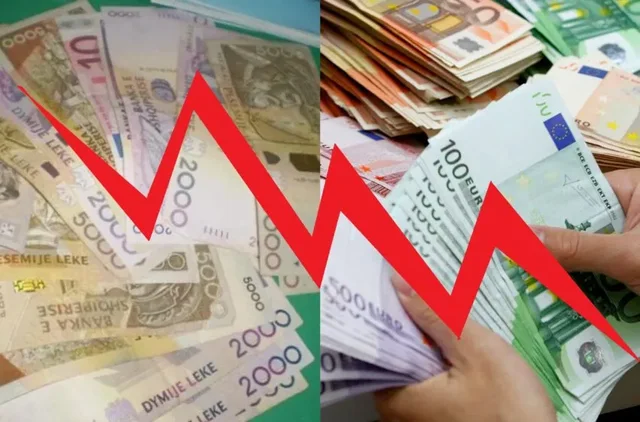
The euro ended the week with another significant drop in the exchange rate with the lek.
According to the official exchange rate of the Bank of Albania, the European currency was exchanged on Friday at 108.73 ALL, down by 0.67 compared to the previous day and by 1.89 points (or 1.7%) since the beginning of the week.
The decline in the euro exchange rate compared to the same period a year ago has further widened to 9.7%. The fall of the euro is breaking, day after day, new historical records. According to exchange agents, the supply of the European currency this year is very high.
Following the trends of the balance of payments and the expectations of the operators, it can be assumed that foreign currency inflows, especially related to tourism, are even higher this year. The start of the tourist season is believed to have increased these inflows even more, but based on historical trends the peak of foreign exchange inflows should still not come until the beginning of August.
For this reason, it is expected that the fall of the euro will continue and touch new records for this year. This year, the lek is marking the highest rates of annual appreciation in the exchange rate with the euro.
In addition to the foreign exchange flows that are believed to be at the highest historical levels, the strengthening of the lek may also have been influenced by the restrictive monetary and fiscal policies, which have influenced the slowing down of the increase in the supply of the local currency compared to previous years.
This situation is increasingly favoring those entities that have expenses in Euros and incomes in Lek, which include especially importers, the Albanian government and other private borrowers.
The strengthening of the lek should in theory make imports cheaper and give a positive effect in stimulating private consumption. Also, the stronger lek reduces the debt burden in the European currency and relieves the budgets from the expenses for the payment of loan installments.
However, the gradual strengthening of the lek is expected to have a negative impact on the revenues of the state budget, especially from indirect taxes and mainly from VAT.
In a general perspective, the strengthening of the local currency tends to narrow the current account deficit, given that the Albanian economy has an external deficit position, that is, it imports goods and services more than it exports.
But those who are suffering the strongest negative consequences from this strengthening of the local currency are the exporters. The strengthening of the lek is directly affecting the decline in income and shrinking profit margins.
For tourism businesses that provide income in euros, mainly for the hotel sector, the strengthening of the lek will extinguish part of the profits from the increase in the number of foreign tourists. In general, a stronger local currency makes the export of Albanian goods and services less competitive for foreign buyers.


