


How Belinda Balluku is fabricating the rumor about Top Channel's...
/ 2026-10-19 16:19:54Focus


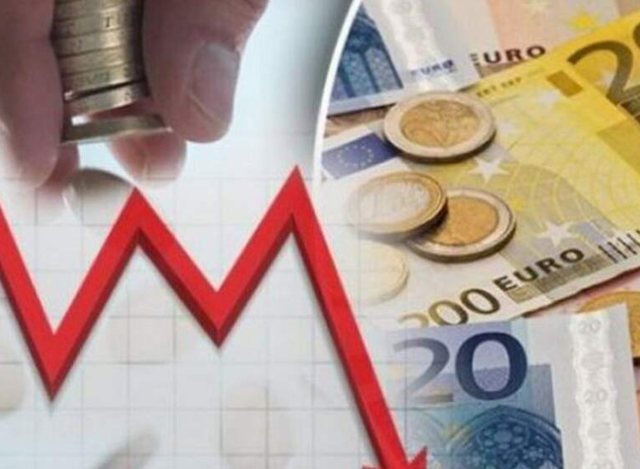
The euro has again fallen below the limit of 114 lek in the exchange rate with the lek. According to the official exchange rate of the Bank of Albania, the euro was exchanged on Tuesday at 113.98 ALL, marking a decrease for the third day in a row.
Currently, the euro is again near the lowest levels for 2023, very close to the value of ALL 113.97 that was recorded on March 13.
Foreign exchange agents think that this is a situation in the continuation of the downward pressure of the market on the European currency, clearly observed since last year. The dominant factor, according to them, remains the abundant supply of euros in the foreign exchange market, against a demand for the European currency that continues to be assessed as weak.
Analyzing the main factors affecting the exchange rate, the strong positions of the lek against the euro can be explained by several elements. Last year, the balance of payments marked an improvement. The current account deficit was reduced by 7.5% compared to the previous year. This improvement was influenced by the positive performance of the export of services, especially the record year of tourism, where income in net terms touched the historical record of 1.07 billion euros, an increase of 27% compared to the previous year. The item of secondary income is also giving a positive effect, where remittances from immigrants reached the highest level since 2008.
At the same time, the flows in the financial account also touched record values. Foreign investments reached the historical record value of 1.37 billion euros, increasing by 33% compared to the previous year. These figures explain to a large extent the growing trend of currency flows in the Albanian economy, without counting here the informal flows, which are difficult to evaluate, but which, in the perception of market agents, have an important role in the supply of currency.
In theory, some kind of influence on the exchange rate could have also been exerted by restrictive policies that affected the supply of the national currency. In the last 12 months, the Bank of Albania has increased the base interest rate five times, from 0.5% to 3%. This increase is still lower than the increase in the base rate of the euro. On the other hand, the fiscal policy also had a consolidating nature during the past year and the budget deficit decreased by 8% compared to the previous year. These developments have caused the annual growth of the monetary aggregate M2 (money outside banks and residents' lek deposits included in broad money, excluding government accounts and deposits) to fall to the lowest levels in the last four years.
Efektet e mbiçmimit të monedhës janë të favorshme për një pjesë të aktorëve ekonomikë, por të dëmshme për disa të tjerë. Forcimi i lekut ka zbutur ndjeshëm presionet inflacioniste nga importi dhe është një ndër faktorët që ka ndikuar në nivele më të ulëta të inflacionit krahasuar me ekonomitë e tjera europiane. Në këtë mënyrë, mbiçmimi i euros ka ndikuar pozitivisht sektorin importues, mbizotërues në ekonominë shqiptare, por edhe konsumatorët. Efektet janë pozitive edhe për kredimarrësit në euro, që i kanë të ardhurat e tyre në lekë. Kjo ka zbutur pjesërisht efektin e rritjes së normave të interesit të kredive, të përcjellë sidomos nga kreditë me interes të ndryshueshëm nga rritja e treguesit referues, Euriborit.
On the other hand, the strengthening of the lek against the euro is a negative development for the export sector of the economy, which provides income in foreign currency and which generally spends its expenses in lek. The fall of the euro and the strong pressures for salary increases exerted by the labor market negatively affect the margins and competitiveness of exporters, especially in the fashion sector.
In theory, entities that have savings in the European currency and expenses in Lek also have a loss from the devaluation of the euro, but this effect is relative, given the high rate of euroization of the domestic economy./ Monitor





