Details of the storm in the administration, here's who will resi...
/ 2026-10-22 22:25:00Focus


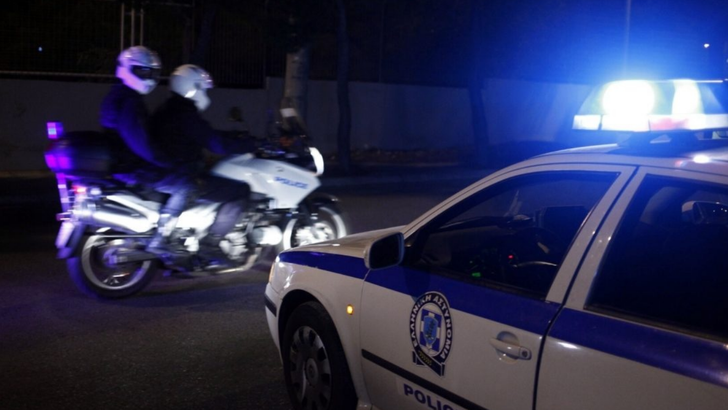
The detention of a suspect for committing a criminal offense is carried out by the State Police, which is responsible for detentions and arrests in flagrante delicto; holding suspects in secure rooms for up to 72 hours and then transferring them to the Penitentiary Institution.
Then the prosecution comes into play, referring to the evidence collected by the police, and other evidence it provides by filing the charges. After this moment, the file with all the evidence is filed with the court, which confirms or not the measure requested by the prosecutor. This entire system has failed in the judgment of experts in the field.
"We see that certain categories of society are increasingly affected, which are vulnerable categories due to problems and poverty. They do not have the opportunity to hire a lawyer to represent them adequately. We have seen in the decisions to assign security measures that a good part of citizens end up with a lawyer primarily, the hearings for the assessment of detention and the assignment of security measures in the courts are formal, the prosecutor who argues for the security needs does so on the basis of evidence collected by the judicial police, but there is no verification, the lawyers are not sufficiently familiar with this evidence and do not present their own evidence on how the sentences can be mitigated ," said Erinda Skëndaj, Albanian Helsinki Committee.
Referring to the law, for non-very dangerous criminal offenses, this entire process must be closed within a period of three months, and up to 6 months in cases of offenses covered by the Special Prosecution Office against Organized Crime and Corruption, SPAK.

However, thousands of detainees each year remain in prison unjustly, often exceeding legal limits.
"We have identified an important problem in the justice system, we have had many complaints and we have also made recommendations. We have had undisclosed decisions for over 12 months. So the deadline is completely illogical, because judges have a heavy workload, " said Erinda Ballanca, the Ombudsman.
This repressive criminal justice policy has not only produced a staggering number of pre-trial detainees, but Albania has broken the record in Europe as the country with the most prisoners per 100,000 inhabitants.
According to Europris, a Council of Europe mechanism that collects data on the prison system in 49 different countries, in 2023 Albania had 178 prisoners per 100,000 inhabitants, up from 148 in 2010.

As for our neighbors in the region, Bosnia and Herzegovina records the lowest number of convicts with only 50 per 100 thousand inhabitants, while Montenegro and Macedonia count 168 and 142 prisoners per 100 thousand inhabitants, respectively.
The record for the highest number of prisoners is held by Turkey, which has 408 prisoners per 100,000 inhabitants. According to this mechanism, Albania is also ranked among the countries with the highest number of pre-trial detainees who have not yet received a sentence, a figure that has been worsening since 2010.