How Belinda Balluku is fabricating the rumor about Top Channel's...
/ 2026-10-19 16:19:00Focus


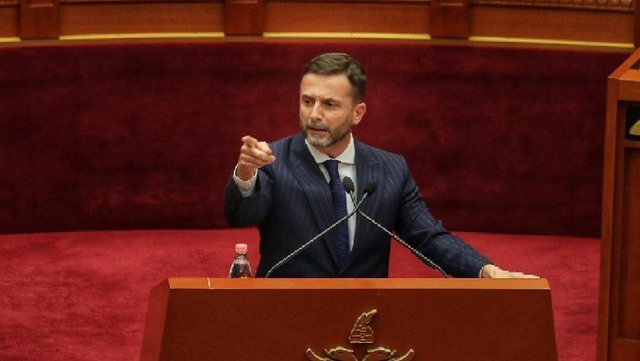
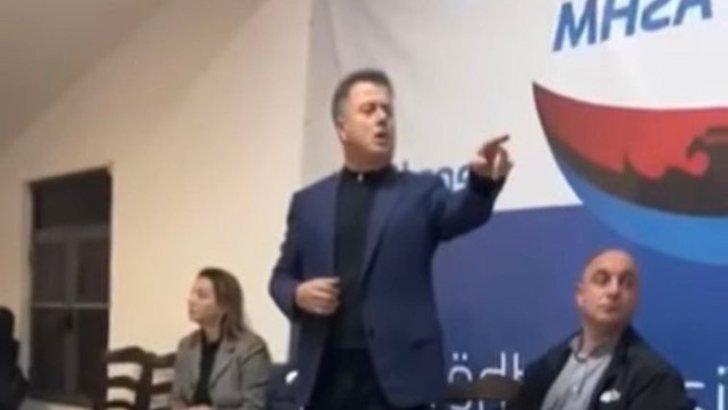
Socialist Party MP Erion Braçe has requested that the law on asset control also include the directors of important institutions such as Taxes and Customs.
Braçe, from the Economy Committee, where the draft law " On the Prevention of Conflict of Interest in the Exercise of Public Functions " was being discussed, stressed that it is right to impose restrictions on MPs, but not to the extreme, especially when they declare their income.

He brought up the example of MPs who come from rural areas and have land to administer.
"There are MPs who come from rural areas, have hectares of land and need to do their bit. Why should they hire workers and turn out to be beylers who exploit the labor force? There are things that need to be limited, but we cannot go to extremes. As long as they declare their income, everything is clear," said Braçe.
The socialist MP criticized the fact that certain categories of administration, such as Tax and Customs directors, are not included in the current law on asset control.
"These Tax and Customs officials are not there. If we bring them here, we have to take them there too. Everyone rushes to the deputy, but the wolf continues there to bite," he said.
Braçe also focused on the differences between the responsibilities of MPs and directors of government institutions, emphasizing that a director who has managed tenders and public funds for years cannot have just one year of time off from being employed in the private sector.
"It is not right for a director, who has managed millions of euros, to stay only a year outside the sector where he worked. There are directors who should have longer periods, because there is a risk of conflict of interest," he said.
The MP also expressed concern about how "lifestyle", a new criterion in the draft law, will be defined, providing concrete examples.
"There are fashion pants with patches that cost 400 euros and there are tracksuits that cost 1,000 euros. How do you define lifestyle? This is where conflicts and misinterpretations can arise," argued Braçe.
He warned that restrictions on MPs are becoming increasingly numerous, while executive leaders remain uncovered by full legal controls.
"A deputy is prohibited from any other duty except teaching. A deputy only gives advice, nothing more is allowed. Meanwhile, some executives of the executive branch enter and exit the private sector without any obstacles, even when they have managed direct interests," said Braçe.