Is this police force professional and capable of handling violen...
/ 2026-10-16 18:54:07Focus


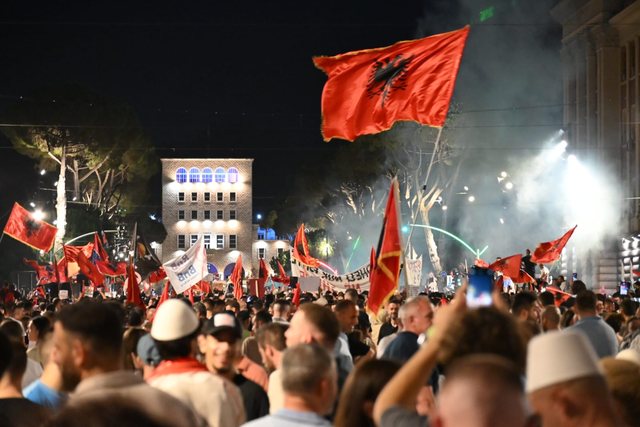
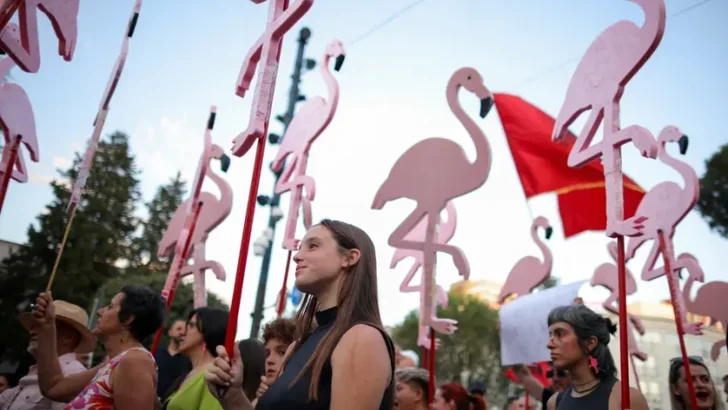
A month after the protests began, the debate is no longer just about their reasons, but about what they might bring in the future: a new leadership, a political party or simply a temporary pressure on the system. According to analysts, this is a crucial phase, where the energy of the protest is confronting the limits of political organization.
"Albania can no longer be the same as it was"
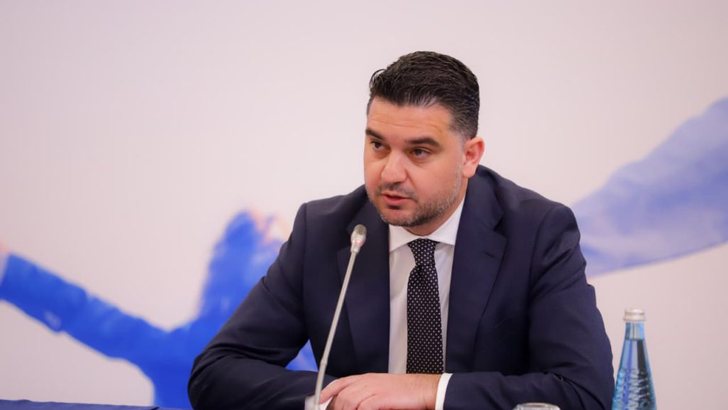
For journalist and analyst Blendi Fevziu, the protests have the potential to mark a turning point in the country's political developments, even if it is not yet known what form they will take in the future.
"I can't say if this protest will produce a political formation... But I have been very hopeful that this protest can bring good leadership," he tells Faktoje, linking the current moment to historical precedents of political changes in Albania.
Fevziu sees the protest as a ground where a new political elite could emerge, although without clear guarantees about the direction it will take.
"Usually new leadership comes in moments of conflict... such as protests. That's how the Albanian leadership came in 1990... I really hope it can bring out a new leadership," he says.
However, there is also a strong element of uncertainty in his analysis: the protests may not produce a single political force, but several, due to the diversity of ideas within them.
"I can't say if these protests will bring it out, but one thing is certain: after this protest, Albania cannot be what it used to be," Fevziu emphasizes.
"It's too early for political parties"
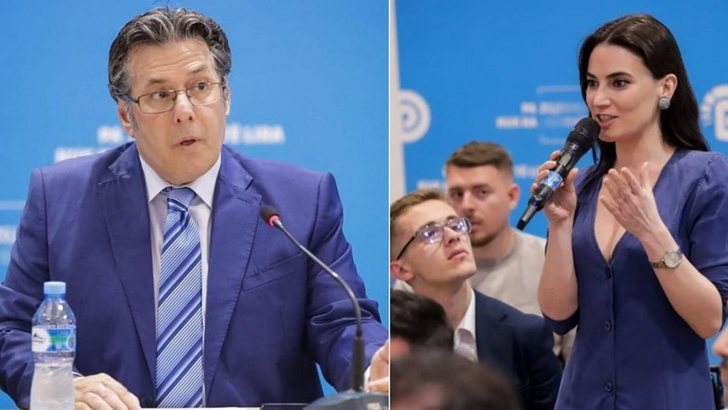
Meanwhile, political scientist Afrim Krasniqi sees the protest as a process still in its early stages, where transformation into a political force is possible, but not imminent. He emphasizes that it is wrong to expect rapid institutional change, comparing the protest to other historical movements that have taken time to consolidate.
"It is normal that when a protest is raised against the system, the system cannot change in 30 hours or even 30 days. It requires a lot of time and patience," Krasniqi argues for Faktoje.
According to him, the main challenge of such movements is the transition from protest to sustainable political organization. But in the Albanian case, he considers this step to be premature.
"I see the need for this movement to turn into a kind of political current as early, very early," he says, underlining that the articulated demands are still in the phase of public influence and not institutionalization.
Another element he highlights is the risk of fragmentation and the influence of existing political actors over individuals involved in the protest, which could damage public trust.
“Being a small country, any individual can be easily integrated by the parties… it becomes very difficult for individuals who support the protest to come out publicly”
In this context, Krasniqi sees the main challenge not only in the protest itself, but in its sustainability in the face of political pressures and attempts to fragment it.
"In the current conditions, the main bet is to try to tire and divide the protest... while citizens try to keep the hope alive that things in Albania can change."
Social movement, not necessarily a party
A more pragmatic approach comes from civil society activist Migen Qiraxhi, who rejects the idea that the success of a protest is necessarily measured by the creation of a political party. According to him, what is happening should not be seen with the logic of the 1990s, when political pluralism was the main goal. Today, he argues, the reality is different.
"I refuse to think like in the '90s, where the highest expression of the success of a protest was the creation of a party," Qiraxhi tells Faktoje.
He goes further by warning that the creation of a single party would not necessarily represent the real strength of the movement.
"If this movement is made by only one party, it is like 'a mountain that gets pregnant and gives birth to a mouse'."
Instead, he proposes a more distributed model of civic organization, where pressure for change is exerted by several structures and forms of representation, not just by a single political entity.
"Different movements or organizations must arise... The new Albania will not come with a flower."
Despite differences in approach, all three voices agree that the protest is no longer just an emotional episode of dissatisfaction, but a moment with influential power in the Albanian political system./ Faktoje.al