Is this police force professional and capable of handling violen...
/ 2026-10-16 18:54:07Focus


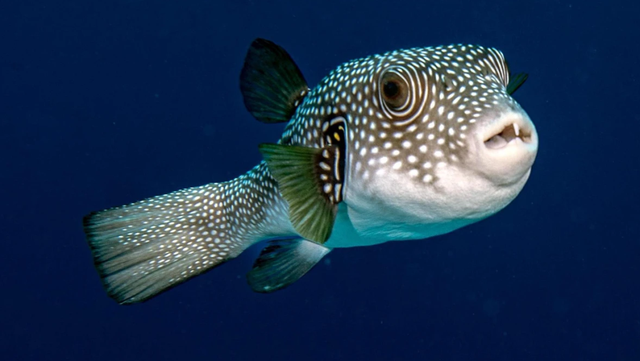
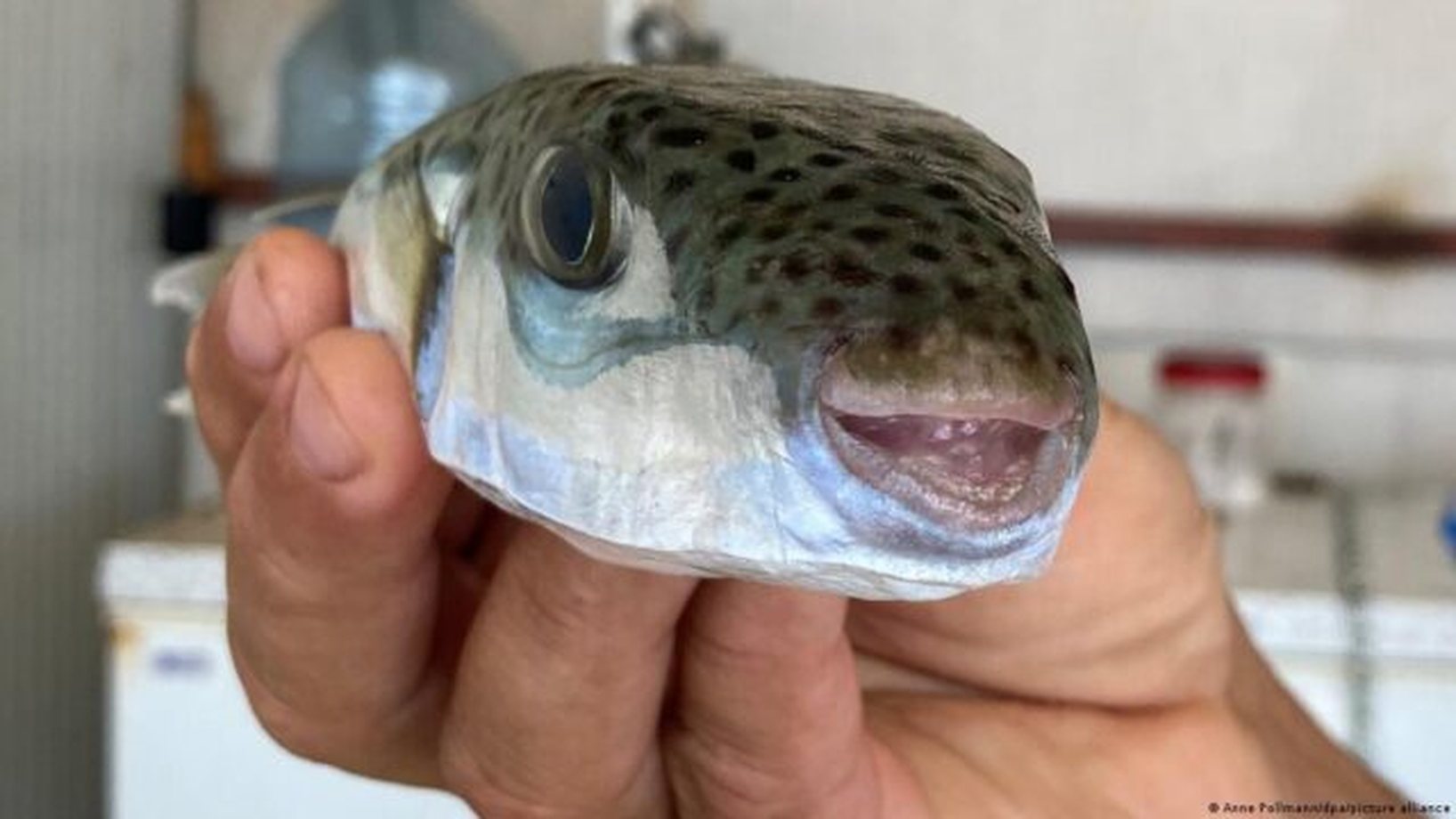
The ballfish is spreading rapidly in the Aegean Sea. This invasive fish is poisonous and is also causing disruptions in the marine ecosystem.
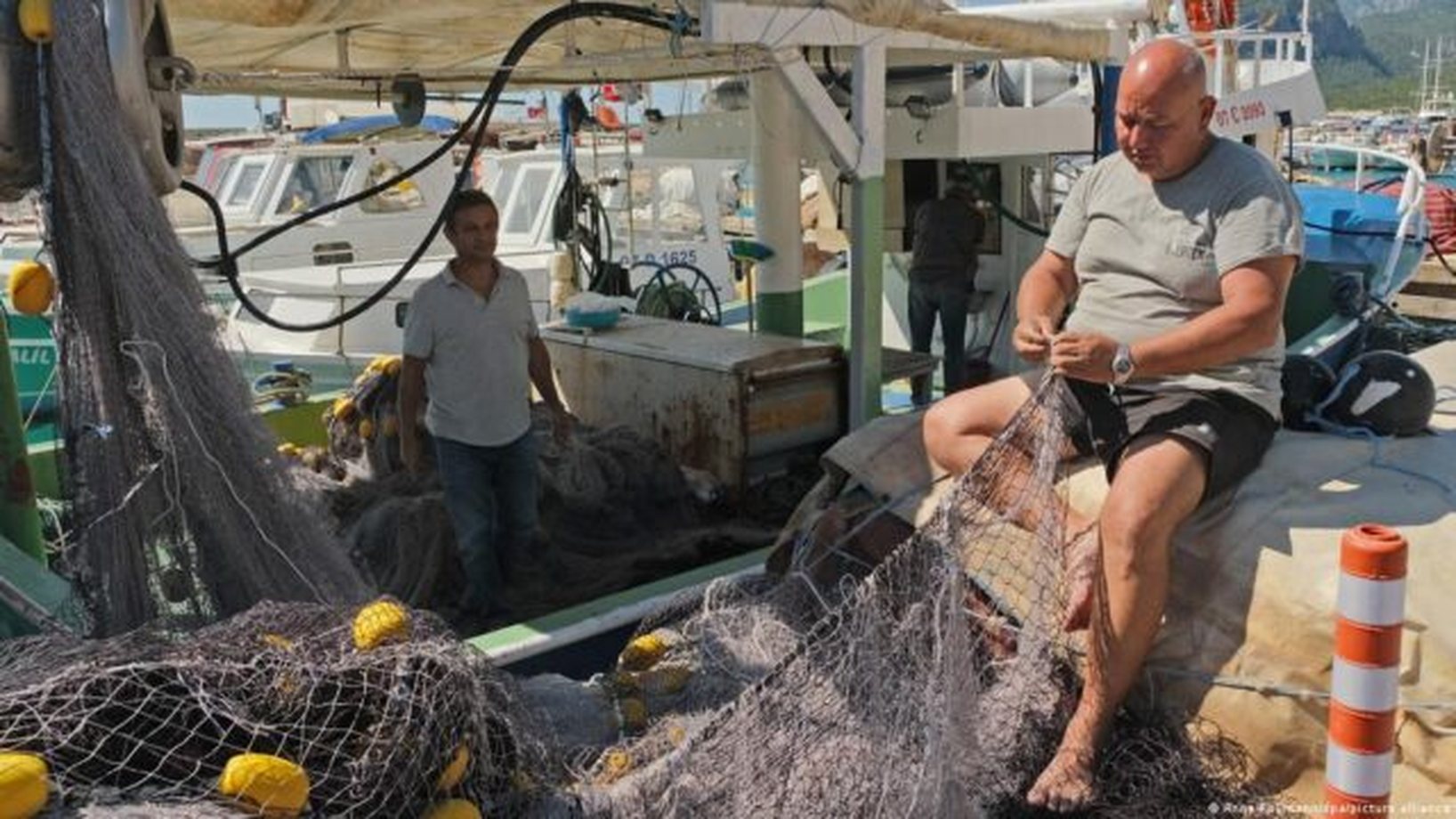
The Greek Ministry of Rural Development and Food announced that it will offer a financial reward for catching the ballfish. The offer for catching this invasive fish applies to professional fishermen around Crete and the southern Aegean Sea. For each kilogram of this invasive species, 5.33 euros will be paid. Fishermen's associations welcomed the program, as this fish significantly complicates the work of fishermen and is also causing disturbances in the marine ecosystem.
According to the Greek Center for Marine Research (HCMR), this species is highly adaptable to different environments and has few natural predators, which favors its spread. The pufferfish also reproduces rapidly, displacing and threatening native species.
Poisonous. but not very dangerous.
The pufferfish is poisonous and should not be eaten. Its body contains tetrodotoxin (TTX), a neurotoxin that blocks nerve impulse transmission and is not destroyed by heat during cooking. It also has very sharp, beak-like teeth that tear through fishing nets and empty them. Fishermen regularly report severe injuries from bites from this fish, which they suffer, for example, while cleaning nets.
However, experts at the Greek Center for Marine Research (HCMR) say that the risks from pufferfish are extremely small and that injuries from native species, such as dragonfish, are much more frequent than those related to pufferfish.
The spherical fish, which can reach about 40 centimeters in length and weigh up to 9 kilograms, originates from the Indian and Pacific Oceans and has penetrated the Mediterranean Sea through the Suez Canal, where it was first observed in 2003.
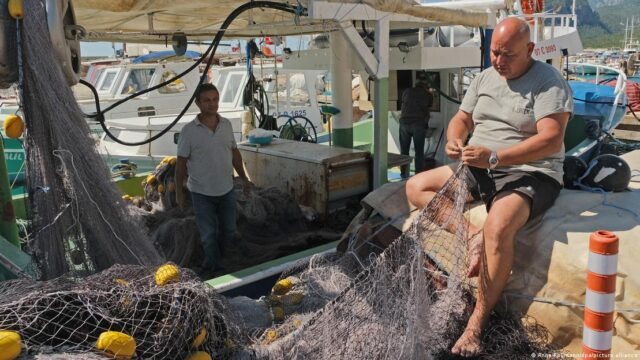
Problem in Turkey too
The Greek Minister of Rural Development and Food, Margaritis Skinas, told Greek media that “our goal is to create incentives, but, to be honest, I don’t believe we will see spectacular changes,” because according to him, the complete extinction of this species is not possible. The main goal is to limit the population of the pufferfish.
In Turkish waters, where this fish has been a problem for years and where rewards are also given for its capture, this measure is considered successful.
According to the Turkish Ministry of Agriculture and Forestry, around 290,000 specimens of spherical fish were caught last year, which is thought to have prevented the reproduction of around 22 million new individuals of this species.