Is this police force professional and capable of handling violen...
/ 2026-10-16 18:54:07Focus


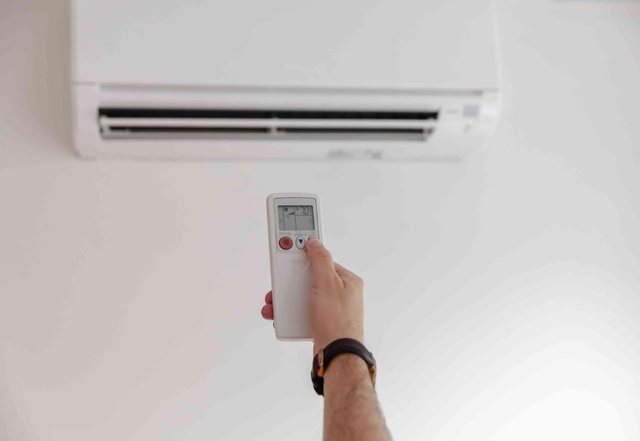
Many people fear air conditioners, partly justified and partly unreasonable.
The question arises whether or not air conditioning is healthy and which fears are justified and which are not?
Unfortunately, not enough scientific research has yet been done on this topic, but there are some that provide some answers and guidance.
In short, it can be said that air conditioning has the most positive effects on health, but there can also be negative ones, and the correct use of air conditioning can maximize positive ones and reduce negative ones.
First, it should be emphasized that extreme heat, after extreme cold, is the second biggest cause of weather deaths, greater than floods.
According to research published in the Lancet journal, between 2000 and 2019, approximately 489,000 deaths per year can be attributed to heat, with 45% occurring in Asia and 36% in Europe. In other words, climate literally saves lives.
Benefits for people with impaired health
One of the most comprehensive studies on the effect of air conditioning on health was published in the journal BMC Public Health.
The focus was on the impact of air and temperature regulation through heating, ventilation and air conditioning (HVAC) systems on patients in hospitals.
Overall, the HVAC system has been shown to be useful for patient recovery, especially in the context of improving vital signs, reducing cardiac stress events, accelerating recovery and increasing physical activity. In addition, the use of HVAC systems has decreased patient mortality and shortened hospital stays for patients with respiratory diseases.
Effects of conditioning on cognitive functions
One of the effect of air conditioning on healthy people students was performed by harvard chan school of public health.
It showed that rising temperatures in rooms without air conditioning during a heat wave negatively affects cognitive functions in healthy young individuals.
The study followed 44 Massachusetts students, some of whom lived in air-conditioned buildings and others without, before, during and after the heat wave.
The findings showed that during the heat wave, students in buildings without air conditioning performed worse on tests than students at home with air conditioning and suffered decreases in five measures of cognitive function, including reaction time and working memory.
During the heat wave, students in buildings without air conditioning had 13.4% more reaction time on speech and color tests and 13.3% worse scores on collection and drop-down tests compared to students living in air-conditioned spaces.
Combined, this data shows that students in air-conditioned rooms were not only faster in their responses, but also more accurate. Internal thermal conditions caused by heat waves in buildings without air conditioning were found to result in significant deficits in cognitive function.
The study authors believe this decline in cognitive function can be attributed to increased heat stress and increased effects of other environmental factors.
Other positive effects of air conditioning on health
Air conditioning maintains body temperature, which is essential in humid and hot areas of the world where heatstroking is a major problem during summer.
Air conditioners make it easier to sleep by cooling the body. It is known that it is always more pleasant to sleep in cooler rooms than in warmer ones.
Air conditioners can also reduce the incidence of allergic reactions because their filters can remove allergens if well maintained.
Therje Me Azar
As we already said at the beginning of the text, climate can also have certain negative effects, especially for sensitive people.
Air conditioners reduce air moisture, which we see clearly from the amount of water coming out of them. They cool the air using evaporators that contain a coolant. When warm room air passes over the reels of the cold evaporator, moisture from the air condenses into these coils. And dry air in sensitive people can lead to drying out skin, eyes and mucus, and in some cases irritation of the airways.
In addition, people in air-conditioned rooms often drink less water because they don't feel as thirsty as they do in high temperatures. This can lead to dehydration, which will be intensified by dry air, which in turn can cause headaches, fatigue and reduced cognitive functions.
Dry air can drain the lining of the respiratory tract, which normally serves as a barrier against bacteria and viruses, which can increase the risk of respiratory infections.
In people with chronic respiratory diseases, such as asthma and chronic obstructive pulmonary disease (COPD), dry air can exacerbate symptoms such as bronchoconstriction and shortness of breath.
If air conditioners are not properly maintained, they can accumulate bacteria and mold. Breathing air contaminated with these microorganisms can cause respiratory problems and allergic reactions.
One of the bacterial diseases that can be infected by impromptuly maintained air conditioners is Legionnaires' disease, which is caused by the bacterium Legionella pneumophila.
It can multiply in water systems used for air cooling, including cooling towers and moisture systems. When contaminated water is distributed through air conditioning systems, bacteria can be inhaled, which can lead to infection.
However, it is important to note that Legionnaire's disease is more commonly associated with large air conditioning and water systems in buildings such as hotels, hospitals and office buildings. The likelihood of being affected by Legionnaires' disease through ordinary residential air conditioners is significantly lower.
Sudden changes in temperature
A sudden change in temperature can also cause problems.
The sudden transition from a warm outdoor environment to a cold air-conditioned space can cause stress in the body, which can result in symptoms such as headaches, fatigue and muscle pain.
Tranzicioni i papritur nga hapësirat me ajër të kondicionuar në ngrohje mund të jetë gjithashtu një problem. Mund të shkaktojë bronkokonstriksion, veçanërisht te njerëzit me astmë ose sëmundje pulmonare obstruktive kronike (COPD). Ajri i ftohtë nga hapësirat me ajër të kondicionuar mund të irritojë rrugët e frymëmarrjes dhe më pas ekspozimi i papritur ndaj ajrit të ngrohtë mund t’i acarojë më tej, gjë që mund të shkaktojë kollitje dhe gulçim.
Një ndryshim i papritur i temperaturës mund të jetë stresues për sistemin kardiovaskular. Njerëzit me probleme ekzistuese të zemrës mund të përjetojnë simptoma përkeqësuese, të tilla si dhimbje gjoksi dhe gulçim. Temperaturat e larta rrisin punën e zemrës dhe tendosjen e enëve të gjakut, gjë që mund të jetë e rrezikshme për njerëzit me hipertension ose sëmundje të zemrës.
Përdorimi i kondicionerëve nuk është i lirë, sepse ata përdorin shumë energji elektrike. Për shkak të kësaj, njerëzit rrallë do të ajrosin dhomat që i kanë ftohur mirë.
Mungesa e ajrit të pastër për shkak të ajrosjes së pamjaftueshme mund të çojë në akumulimin e dioksidit të karbonit dhe ndotësve të tjerë, gjë që mund të shkaktojë probleme të tilla si marramendje dhe ulje të përqendrimit.
Humbja e aftësisë për t’u përshtatur natyrshëm
Koha e rregullt dhe afatgjatë e kaluar në hapësira me ajër të kondicionuar redukton ekspozimin ndaj nxehtësisë natyrore, kështu që trupi nuk ka nevojë të përshtatet me temperaturat e larta, siç do të bënte ndryshe. Ky ekspozim i reduktuar mund të zvogëlojë aftësitë termorregulluese të trupit dhe ta bëjë atë më pak efikas në menaxhimin e nxehtësisë kur nevojitet.
E njëjta gjë vlen edhe për djersitjen. Trupi ftohet përmes procesit të djersitjes, i cili është më pak i nevojshëm në hapësirat me ajër të kondicionuar. Një reduktim afatgjatë i djersitjes mund të dëmtojë aftësinë e trupit për të përdorur këtë metodë kyçe të ftohjes kur është në një mjedis të nxehtë.
Njerëzit që nuk janë të ambientuar me nxehtësinë kanë më shumë gjasa të përjetojnë stres të nxehtësisë dhe probleme shëndetësore të lidhura me to.
Për të reduktuar ndikimin negativ të ajrit të kondicionuar në aftësinë për t’u përshtatur me nxehtësinë, rekomandohet të kaloni pak kohë jashtë ose në hapësira pa ajër të kondicionuar në mënyrë që të stërvitni trupin për t’u përshtatur me kushtet e nxehtësisë.
Rregullat për përdorimin e duhur të ajrit të kondicionuar
Mirëmbajtja dhe përdorimi i duhur i pajisjeve të ajrit të kondicionuar mund të rrisë efektet e tyre pozitive dhe të zvogëlojë efektet e mundshme negative në shëndet.
Prandaj është mirë të përsëriten disa rregulla të njohura përgjithësisht.
Mirëmbajtja e rregullt e ajrit të kondicionuar është thelbësore për shëndetin. Kjo përfshin pastrimin ose zëvendësimin e filtrit çdo disa muaj dhe shërbimin profesional të paktën një herë në vit. Kjo zvogëlon rrezikun e baktereve dhe formimit të mykut.
Rekomandohet që të vendosni temperaturën e kondicionerit në një nivel që është vetëm disa gradë më i ulët se temperatura e jashtme. Ndryshimet ekstreme në temperaturë mund të jenë stresuese për trupin.
Në dhomat me ajër të kondicionuar, mund të jetë e dobishme instalimi i lagështuesve të ajrit për të parandaluar tharjen e lëkurës dhe mukozës.
Është e rëndësishme të sigurohet një rrjedhje e mjaftueshme e ajrit të pastër në ambiente për të zvogëluar rrezikun e akumulimit të gazrave të dëmshëm dhe për të përmirësuar cilësinë e përgjithshme të ajrit.