"Condemned" protesters?! Who trapped Rama inside the Prime Minis...
/ 2026-10-23 16:02:00Focus


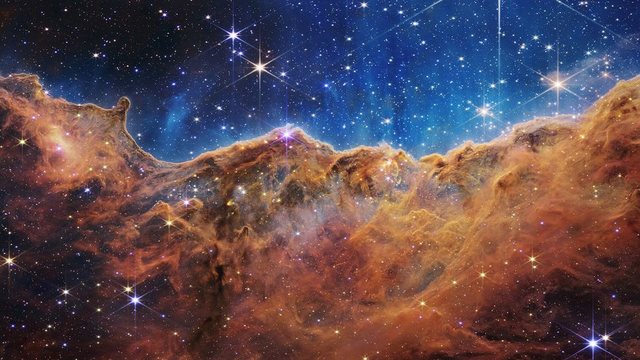
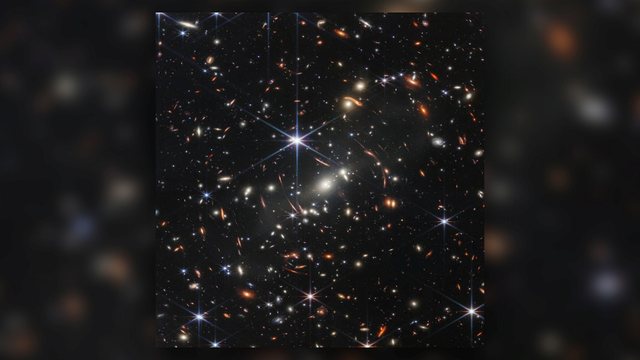
On July 12, 2022, the James Webb Space Telescope (JWST) made history by bringing its debut shot to earth: a jewel-studded photo that has also been touted as the deepest picture of the universe ever taken.
In addition to looking farther into space than any observatory before it, the James Webb Space Telescope has one asset, its mirrors: JWST can see further back in time than any other telescope, observing distant stars and galaxies as they appeared 13.5 billion years ago, not long after the beginning of the universe as we know it.
But how is this possible? How can a machine look back in time? In fact, we are not dealing with "magic" or science fiction: it is simply the nature of light.
"Telescopes can be time machines. Looking into space is like looking back in time," NASA scientists explain.
"It sounds magical, but it's actually very simple: Light takes time to travel through vast distances of space to reach us."
All the light you see, from the twinkling of distant stars to the glow of the lampshade on the table a few feet away, takes time to reach your eyes.
Fortunately, light travels extremely fast - roughly 1 billion km/h, so you'll never notice it traveling from the lampshade to your eye cells. However, when you're looking at objects that are millions or billions of miles away—as most objects in the night sky are—you're seeing light that has traveled a long way to reach you.
Take the sun as an example. Our star is located an average of 93 million miles (150 million kilometers) away. This means that light takes about 8 minutes and 20 seconds to travel from the sun to Earth.
So when you look at the sun, you are seeing it as it appeared more than 8 minutes ago, not as it appears now, in other words, you are looking 8 minutes into the past.
The speed of light is so important to astronomy that scientists prefer to use light years, rather than miles or kilometers, to measure great distances in space.
A light year is the distance that light can travel in one year: approximately 5.88 trillion miles, or 9.46 trillion km. For example, the North Star, Polaris, is located about 323 light years from Earth. Every time you see this star, you are seeing light that is more than 300 years old.
So to look into the past you don't need a telescope as advanced as James Webb, just look up at the night sky to see the stars.
But to look really far into the past (say, at the beginning of the universe), astronomers need telescopes like JWST, which can snap pictures of even stars that may have "died" as the light emitted by them travels across the universe.