Is this police force professional and capable of handling violen...
/ 2026-10-16 18:54:07Focus


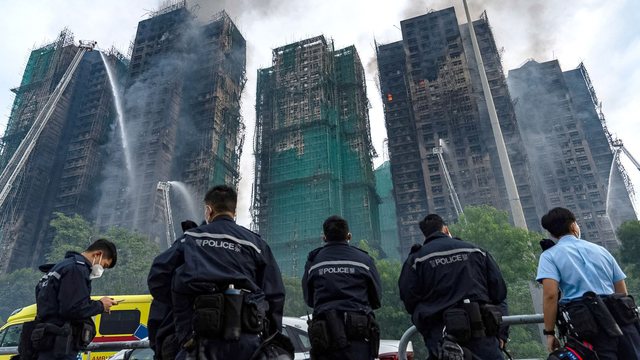
In Hong Kong, a city where millions of residents sleep, eat and work in massive towers, packed like books on a shelf, there has long been the threat that a massive fire could trap people inside the tall buildings.
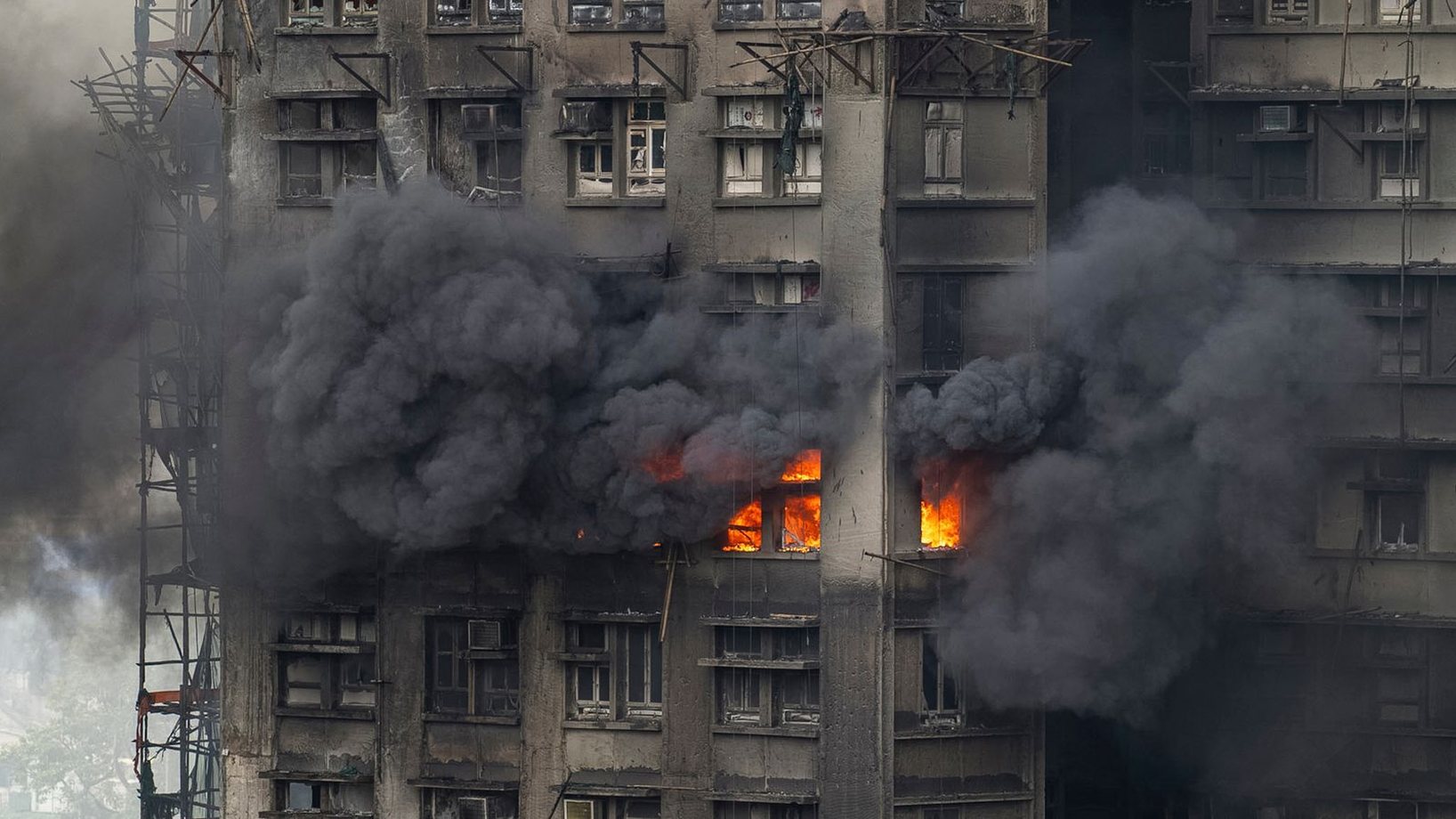
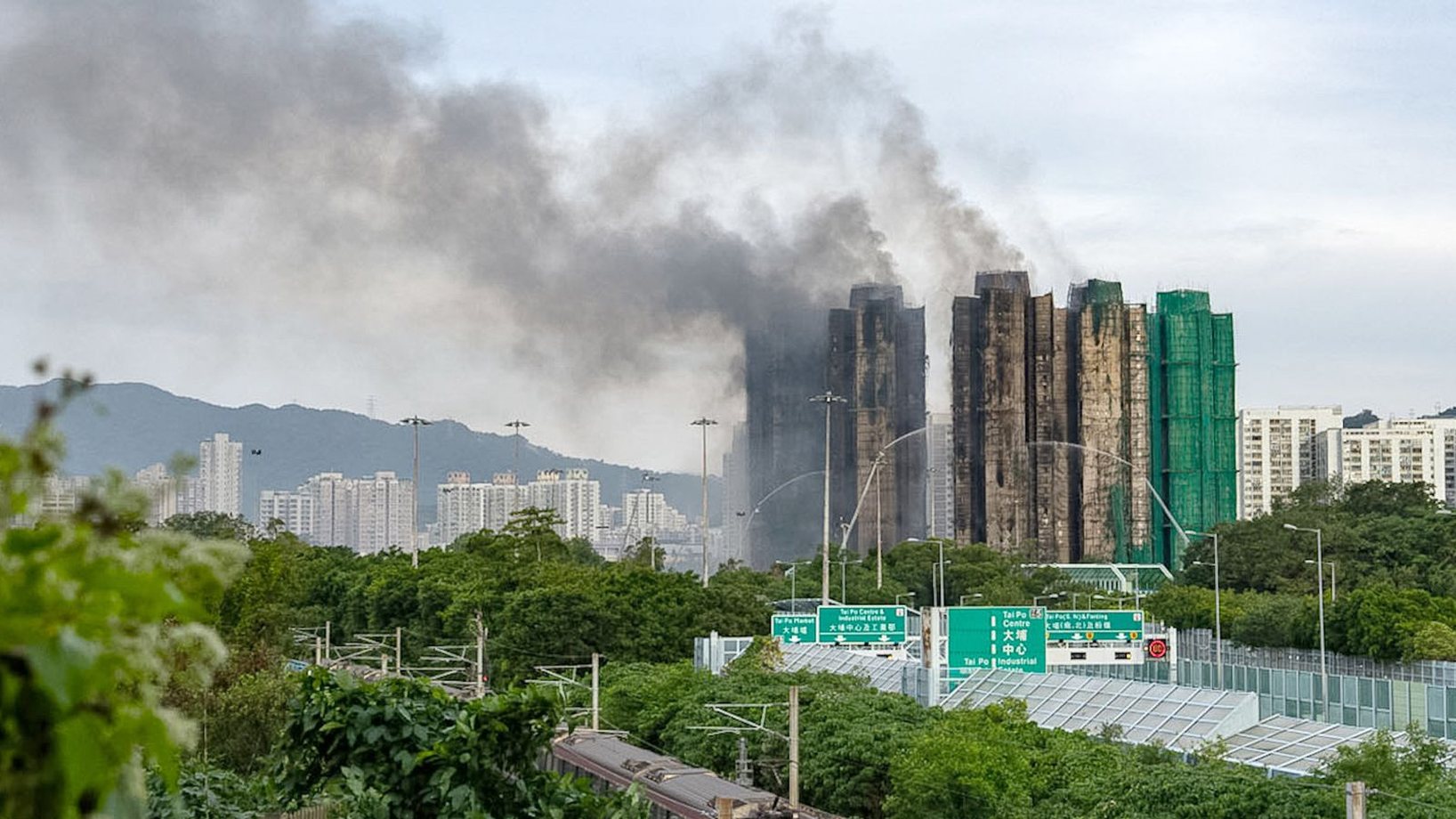
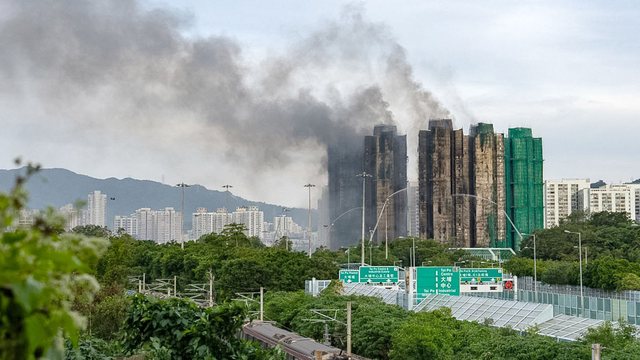
On Thursday, the scale of that nightmare became clear when a fire that started in a 32-story building and quickly engulfed six other towers in an old apartment complex killed at least 65 people, with dozens more still missing. It was the deadliest fire in Hong Kong since a blaze in a tenement house killed 59 people in 1957.
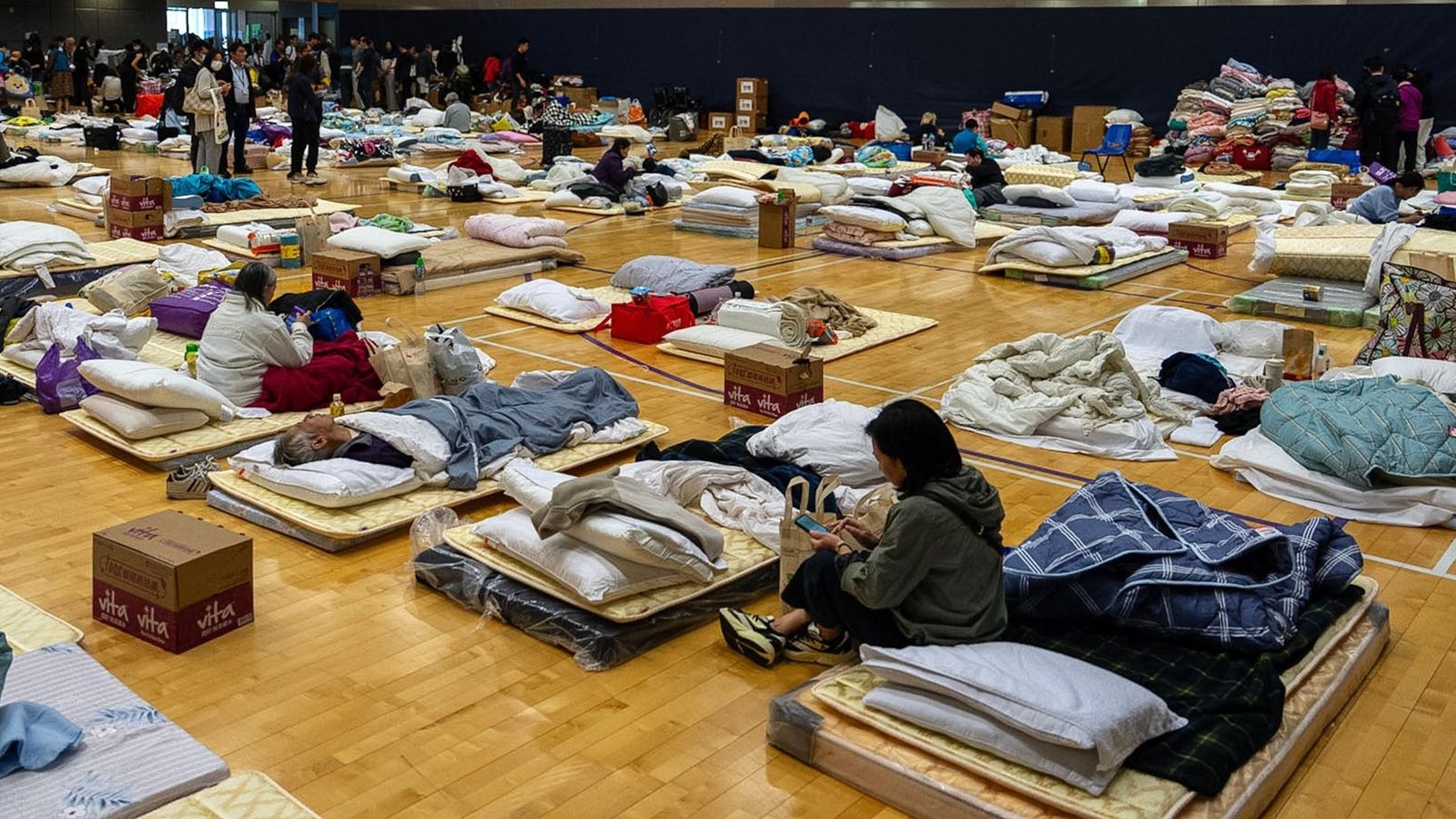
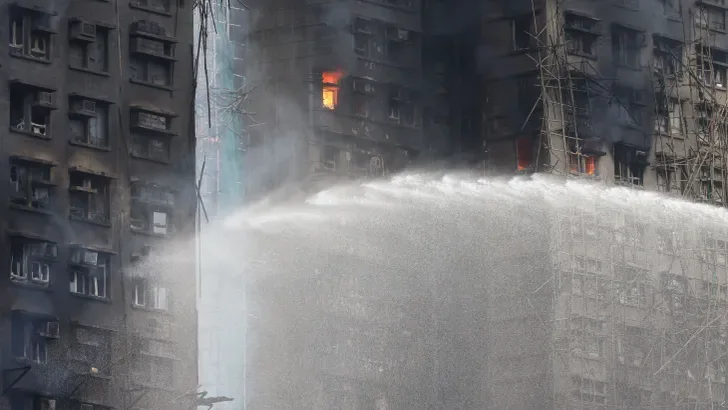
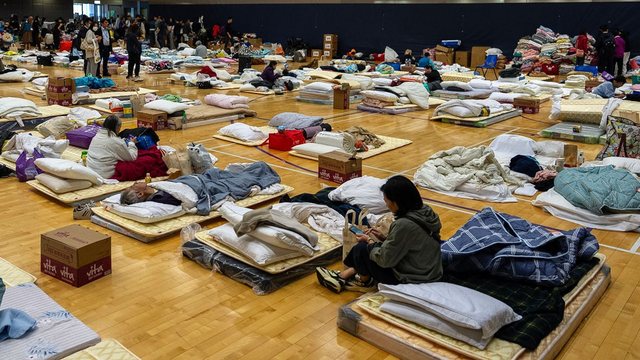
Hundreds of firefighters worked to extinguish the flames that continued to burn in three buildings at the Wang Fuk Court complex in Tai Po district, 24 hours after they were first reported on Wednesday afternoon. They searched for survivors trapped inside the buildings, pulling out both the living and the dead. About 70 others were in hospital, some in critical condition. Outside a nearby community centre, dozens of people whose relatives were missing waited in line behind a police cordon to see if their loved ones were among the bodies recovered.
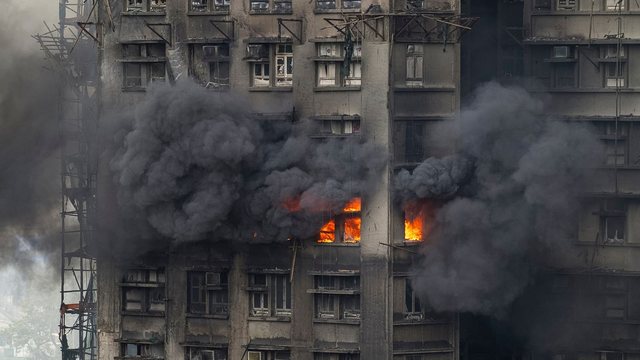
Investigators began to piece together how the flames had spread so quickly, focusing on the green construction netting that had covered the buildings slated for renovation, as well as the polystyrene foam that appeared to have been installed in the windows. Police arrested two directors and a consultant linked to a construction company that had installed the building materials, saying they were suspected of manslaughter and gross negligence.
Residents, many of them elderly, described narrow escapes and said they had received no warning, not even a fire alarm. Public anger has grown over questions about whether Hong Kong's building security system has kept pace with the vulnerabilities of one of the world's fastest-aging populations.

Some observers and local politicians began to question whether the disaster was the result of corruption and a lack of accountability, while residents raised suspicions about perceived collusion between the housing committees that oversee the maintenance and renovations of these complexes and contractors.
“This is absolutely a scandal, this is not what Hong Kong is known for,” said Emily Lau, a former lawmaker who now hosts a YouTube show. She said the scale of the fire showed insufficient oversight by the government: “This has opened a Pandora’s box of mismanagement.”
Faced with mounting questions and pressure from China’s leader, Xi Jinping, for an “all-out effort” in response to the disaster, Hong Kong’s government has sought to show it is taking swift action. John Lee, Hong Kong’s Beijing-backed chief executive, visited the scene and later told reporters that the fires were under control. He announced a $38 million (U.S.) fund for victims. His government has also launched a citywide inspection of apartment complexes currently under renovation. The city’s anti-corruption bureau also announced it was setting up a task force to investigate possible corruption linked to construction work at the complex.

The fire was the latest crisis for Lee's government, which already faces demands from Beijing to regulate Hong Kong's housing market, one of the world's most unaffordable, and to shore up the economy. As public distrust grows, with people posting videos and photos online expressing concern about what they feared were flammable building materials in other buildings, the political consequences could be significant.
“The biggest question is this: Should a senior official take full responsibility for this terrible fire?” said Wang Xiangwei, associate professor of journalism at Hong Kong Baptist University.
Authorities said a preliminary investigation found that protective netting, plastic sheeting and other materials used in the renovation may not have met fire safety standards. They identified the registered contractor for the building complex as Prestige Construction and Engineering Company.
The protective netting was probably a factor in how quickly the fire spread, said Tony Za, former chairman of the Buildings Division at the Hong Kong Institution of Civil Engineers. Usually made of fibre and plastic, the netting is used to prevent building materials and other objects from falling from bamboo scaffolding, which companies in Hong Kong often use when repairing building facades.
Experts said bamboo scaffolding may have also contributed to the fire. The government announced earlier this year that it would phase out the use of the material and replace it with steel scaffolding, for greater safety. Last month, another bamboo scaffolding caught fire in Hong Kong’s central business district. That incident, along with this week’s devastating fire, is likely to accelerate the construction industry’s shift to metal scaffolding, Za said.
The government investigation also revealed foam panels that had been installed in windows. Wang Fuk Court resident Lau Yu Hung, 78, said many of the windows in his building were covered with a thin layer of polystyrene foam, and that he had heard that it was installed to protect the glass from the facade work. He said the material blocked out most of the light and prevented residents from seeing outside. It was only thanks to a small gap in the bathroom window covering that he was able to see that a neighboring building was on fire and escape in time.
The fire appeared to be particularly dangerous in the 2,000-unit complex, which is home to many retirees. Some residents had lived there for decades, having purchased their apartments through a government-subsidized homeownership program in the 1980s. Lau said he had lived there for 20 years.
Near the complex, dozens of family members still searching for their relatives gathered outside to slowly enter a community center, where they looked at photographs of the victims.
SF Chiang, 68, had gone there to see if her 62-year-old brother and 24-year-old niece were among the victims. But she couldn't find them among the photos police had provided. "My heart aches when I think about them," she said.
Taken from the New York Times