Is this police force professional and capable of handling violen...
/ 2026-10-16 18:54:07Focus


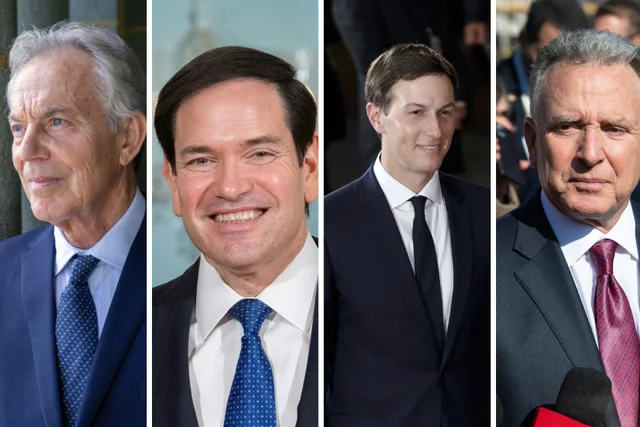
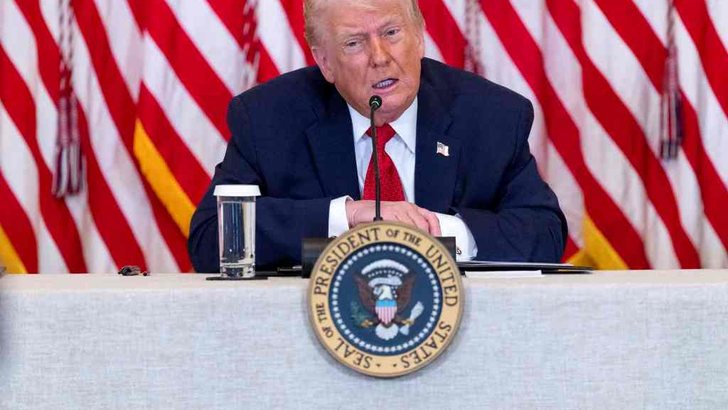
US President Donald Trump has fleshed out his idea of creating a "Peace Board" for Gaza, announcing a broad leadership structure aimed at rehabilitating the Palestinian territory after the war.
The initiative, part of a 20-point peace plan, comes after a fragile ceasefire between Israel and Hamas and has sparked mixed reactions on the international stage.
The White House announced that a “founding executive board” will oversee the reconstruction and stabilization process in Gaza. The board includes former British Prime Minister Tony Blair, hedge fund manager Marc Rowan, Trump’s son-in-law Jared Kushner, US Secretary of State Marco Rubio, US special envoy Steve Witkoff, World Bank President Ajay Banga, and US national security adviser Robert Gabriel.
According to the White House, each of them will have a defined portfolio, which includes building government capacity, regional relations, reconstruction, attracting investment, large-scale financing and capital mobilization.
Trump will personally chair the Peace Board, while invitations to join it have also been sent to heads of various states.
The full names of the board members have not yet been made public.
New structure for governing Gaza
The plan also foresees the creation of a National Committee for the Administration of Gaza (NCAG), composed of 14-15 Palestinians, which will deal with the day-to-day governance of the territory. This committee will be headed by Ali Sha'ath, a former Palestinian Authority official and so far the only Palestinian officially appointed in the Trump plan.
According to the official statement, the NCAG will oversee the restoration of basic public services, the reconstruction of civil institutions, the stabilization of daily life, and the establishment of the foundations for long-term, self-sustaining governance in Gaza. The committee has been meeting this week in Cairo.
Meanwhile, Nickolay Mladenov, former Bulgarian defense minister and former UN envoy, has been appointed High Representative for Gaza, serving as a liaison between the Peace Board and the local administration on the ground.
Executive Board and Stabilization Force
The plan also includes the creation of an Executive Board for Gaza, which will include international figures such as Turkish Foreign Minister Hakan Fidan, UN peace coordinator Sigrid Kaag, and Israeli-Cypriot businessman Yakir Gabay. This board will support the work of the High Representative and the NCAG.
The White House also announced the creation of an International Stabilization Force (ISF), to be led by US Major General Jasper Jeffers and tasked with ensuring the security and demilitarization of Gaza. However, no country has yet confirmed the deployment of troops.
Key Arab allies, including Saudi Arabia and Jordan, have stated that they will not send military forces to Gaza, while it remains unclear to whom specifically the ISF will report.
Skepticism and questions
Although Trump's plan represents the most structured attempt yet at a US engagement in the post-Gaza war, it has raised serious questions. The lack of direct Palestinian involvement in key decision-making structures, uncertainties over the legal mandate, and the refusal of some allies to contribute militarily make its implementation uncertain.
The administration has announced that other names will be added to the leadership structures in the coming weeks, while the international community continues to carefully follow this initiative, which could significantly affect the political and security future in Gaza.