How Belinda Balluku is fabricating the rumor about Top Channel's...
/ 2026-10-19 16:19:54Focus


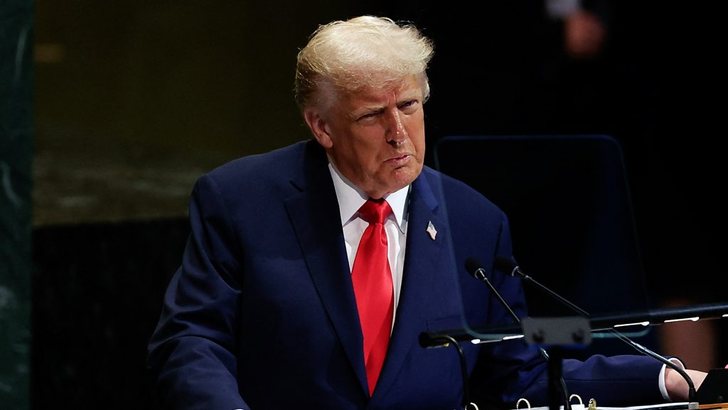
US President Donald Trump on Thursday ordered the US military to immediately resume nuclear testing, after a 33-year hiatus, just minutes before the start of a meeting with Chinese President Xi Jinping.
But how many nuclear tests have been conducted to date, why were they stopped, and why would anyone want to resume them?
The United States ushered in the nuclear age in July 1945 with the testing of a 20-kiloton atomic bomb at Alamogordo, New Mexico. Just a few weeks later, in August of that year, it dropped two atomic bombs on the Japanese cities of Hiroshima and Nagasaki, forcing Japan to surrender in World War II.
The Soviet Union shocked the West when it detonated its first nuclear bomb four years later, in August 1949. In the five decades between 1945 and 1996, when the Comprehensive Nuclear-Test-Ban Treaty was signed, over 2,000 nuclear tests were conducted, including 1,032 by the United States and 715 by the Soviet Union, according to United Nations data.
The UK conducted 45 tests, France 210, and China 45. Since the Comprehensive Nuclear-Test-Ban Treaty came into force, only 10 nuclear tests have been conducted: India and Pakistan each conducted two in 1998, and North Korea conducted two in 2006, 2009, 2013, 2016, and 2017.
The United States last tested in 1992, China and France in 1996, and the Soviet Union in 1990.
Russia, which inherited most of the Soviet arsenal, has never tested a nuclear weapon since the collapse of the USSR. Most recently, Moscow conducted nuclear exercises and tested a nuclear-powered missile and torpedo, but not a nuclear warhead.
Heather Williams, a nuclear expert, stated: “The last US nuclear test was in 1992. That was driven largely by public outcry, environmental impacts, humanitarian consequences associated with nuclear testing. But there was also a growing international movement to abandon nuclear testing. China conducted its last nuclear test in 1996. Russia conducted its last test in 1990, and they all signed the Comprehensive Nuclear-Test-Ban Treaty of 1997, and that completely banned nuclear testing above ground, below ground. And the United States insisted that there be a zero yield threshold, meaning that any nuclear activity, any experiment could not produce any kind of yield from a critical chain reaction.”
Why were nuclear tests banned?
Over time, concerns have grown about the impact of the tests (on land, underground and underwater) on human health and the environment. The West’s tests in the Pacific and the Soviet Union’s in Kazakhstan and the Arctic have had major consequences for both people and nature. Activists say that millions of people in these areas have suffered for decades from pollution and diseases caused by nuclear tests. Ending the Cold War arms race, according to supporters of the treaty, would help reduce tensions between Moscow and Washington. The Test Ban Treaty bans all nuclear explosions, anywhere and by anyone. Russia signed the treaty in 1996 and ratified it in 2000. The United States signed it in 1996 but has never ratified it. In 2023, President Vladimir Putin officially withdrew Russia’s ratification, putting his country on the same footing as the United States. The question that arises is: why would nuclear weapons be tested again? There are two main reasons: to gather information, or to send a political message. The tests provide data on the power of new weapons and the functionality of existing ones.
In 2020, the Washington Post reported that the then-Donald Trump administration had discussed the possibility of conducting a nuclear test. Such a test would not only have technical value, but would be seen by Russia and China as a sign of American strategic strength. Putin has warned that if the US resumes nuclear tests, Russia will do the same, saying that a new global nuclear race has already begun.
“SHBA do t’i rikthehej testimeve bërthamore nëse do të ishte e nevojshme për të konfirmuar kredibilitetin e arsenalit bërthamor amerikan. Pra, arsenali bërthamor i SHBA kalon rregullisht nëpër një program vlerësimi strategjik të menaxhimit të rezervave. Dhe kjo do të thotë që shkencëtarët me të vërtetë të zgjuar në laboratorët kombëtarë po përdorin superkompjuterë, lazerë dhe teknologji të tjera me të vërtetë të përparuara për t'u siguruar që arsenali bërthamor është i përshtatshëm për qëllimin dhe se do të bëjë atë që duhet të bëjë. Ata mund ta bëjnë këtë pa asnjë testim shpërthyes. Por, ka edhe një aspekt politik në gjithë këtë, apo jo? Nëse SHBA-të donin të jepnin një sinjal vërtet të madh ose t'i dërgonin një sinjal vërtet të fortë Rusisë ose Kinës se donin të ktheheshin në konkurrencën bërthamore, ndoshta me modele të reja armësh, atëherë mund të donin të ktheheshin në testime edhe për këto arsye. Megjithatë, mendoj se është shumë e rëndësishme të theksohet se kur Presidenti Trump tha së fundmi se donte që SHBA-të të ktheheshin menjëherë në testimet bërthamore, është e mundur që ai të kishte parasysh llojin e testimit për të cilin kam folur, që është testimi i kokave bërthamore, testimi nga rezervat bërthamore. Është gjithashtu e mundur që ai të kishte parasysh testimin e raketave dhe platformave të tjera të shpërndarjes që do të mbanin ato armë bërthamore. Dhe ky lloj testimi është duke vazhduar. Rusia dhe Kina angazhohen rregullisht në testimin e raketave balistike ndërkontinentale”, shprehet Heather Williams.
Çfarë po bëjnë fuqitë e mëdha me armët e tyre bërthamore?
Numri i saktë i kokave bërthamore të secilit shtet është sekret, por sipas Federatës së Shkencëtarëve Amerikanë, Rusia ka rreth 5,459 koka bërthamore, SHBA rreth 5,177. Këto shifra përfshijnë armët e pozicionuara, të magazinuara dhe ato të tërhequra nga përdorimi. Sipas Shoqatës për Kontrollin e Armatimeve në Uashington, SHBA ka 5,225 koka aktive dhe Rusia 5,580. Në kulmin e Luftës së Ftohtë, në vitin 1986, në botë kishte mbi 70,000 koka bërthamore, shumica në SHBA dhe BRSS. Sot numri është ulur në rreth 12,000, por përsëri pjesa më e madhe mbetet në duart e Rusisë dhe SHBA-së.
Nëse Shtetet e Bashkuara do t’u riktheheshin testimeve bërthamore, atëherë edhe zotërues të tjerë të armëve bërthamore mund të ndiqnin shembullin. Vendi që do të përfitonte më shumë nga një rikthim në testimet bërthamore është Kina. Shtetet e Bashkuara kryen mbi një mijë teste bërthamore. Rusia kreu mbi 700. Kina ka bërë më pak se 100 teste bërthamore. Dhe shumë ekspertë dhe zyrtarë kinezë kanë theksuar se Kina mund të jetë në disavantazh për sa i përket njohurive mbi arsenalin dhe modelet e armëve të saj, sepse thjesht nuk ka aq shumë të dhëna testimi. Dhe kështu, nëse do të thyhej tabuja kundër testimeve bërthamore, nëse do të kishte një rikthim në më shumë teste bërthamore, Kina do të fitonte shumë më tepër nga kjo sesa do të fitonin Shtetet e Bashkuara.
They are followed by China with about 600 warheads, France with 290, the United Kingdom with 225, India with 180, Pakistan with 170, Israel with 90, North Korea with 50. The three major powers, Russia, the US and China, are currently in the process of fully modernizing their nuclear arsenals.