Berisha: Altin "Troplini" Dumani amnestied electoral crimes, SKA...
/ 2026-10-19 11:44:20Focus


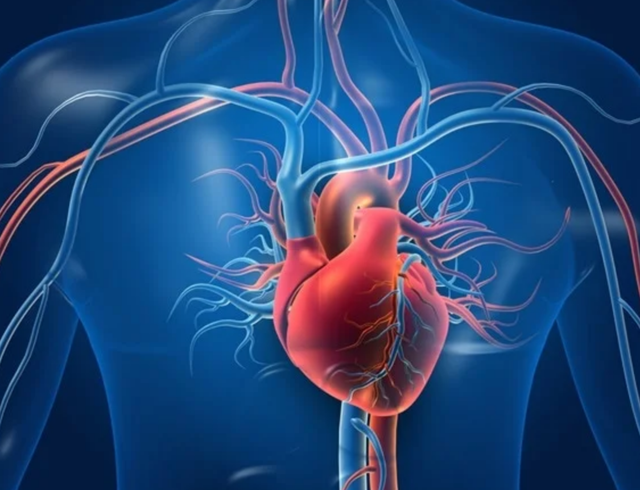
Human heart cells have been shown to regenerate for the first time in a major breakthrough that could repair failing organs.
After birth, the gene that creates new heart cells is turned off, meaning the heart cannot repair itself.
But scientists have shown that injecting the gene back into the damaged hearts of middle-aged donors promotes cell renewal, which could offer an alternative to heart transplants, pacemakers and drugs.
In 2014, the team, from the Icahn School of Medicine at Mount Sinai, New York, proved that the technique works in pigs, but it is the first time it has been shown to also cause regeneration in human hearts.
After birth, the gene that creates new heart cells is turned off, meaning the heart cannot repair itself.
"Heart disease is the leading cause of death worldwide, yet adult human heart muscle cells stop dividing after birth," said Dr. Hina Chaudhry, director of cardiovascular regenerative medicine at the Icahn School of Medicine at Mount Sinai.
"Our work was the first to show that we can regenerate pig hearts after injury, and now we have advanced the field by demonstrating that even middle-aged human heart cells - which were long thought to be incapable of dividing - can be coaxed into turning into new, functional cells. This shifts the paradigm from symptom management to true human heart repair," she said.
When someone suffers a heart attack or heart failure, heart muscle cells are lost and the heart cannot replace them, and there is currently no way to grow new heart muscle cells after damage.
The new technique harnesses the power of a naturally occurring gene called Cyclin A2 or CCNA2, which plays a critical role in cell division and growth during fetal development, but ceases to be active shortly after birth.
Reactivating this gene enables the production of new cardiomyocytes - heart muscle cells - which can repair damaged areas of the heart.
The team inserted the gene into a harmless virus and tested it directly on human heart cells living in culture from hearts aged 41 and 55. They used time-lapse imaging to analyze the heart cells with CCNA2 and saw that they began to divide successfully, maintaining their structure and function and demonstrating normal protein and calcium activity.
Further analysis showed that CCNA2 helps heart cells "turn back time" by reactivating growth genes so that they can divide and repair the heart.
"This is the culmination of nearly two decades of work. We pioneered the concept that the heart could regenerate by reawakening dormant cell division genes, and now we have brought this vision one step closer to patients," said Dr. Chaudhry.