"Condemned" protesters?! Who trapped Rama inside the Prime Minis...
/ 2026-10-23 16:02:00Focus


According to a recent report from UNESCO, there is a significant increase in the melting of glaciers, with a loss of 26%-41% of their total mass predicted by 2100.
This is nothing new, as glacier loss has continued since the 20th century and has accelerated in recent decades, thanks to global warming of between 1.5°C-4°C.
But this melting of glaciers is expected to bring irreparable consequences for at least 2 million people. Such a risk comes because this population lives in mountainous regions, which means that they depend on mountain waters, making it difficult to produce food, and then have difficulty making a living.
The Guardian writes that an annual State of the Climate report shows that Norway, Sweden, Svalbard and the tropical Andes are among the areas most affected by the loss of glacier mass.
East Africa has already lost 80% of its glaciers.
Glaciers in Europe's Alps and Pyrenees have shrunk by about 40%.
According to the UNESCO report, the melting of glaciers is greatly influenced by black carbon. This carbon is being created by human activities and rising temperatures, which then results in the presence of fires and dust storms in mountainous terrain.
Glacier surfaces are darkened by the presence of black carbon, causing greater absorption of solar radiation and increasing the rate of ice melt.
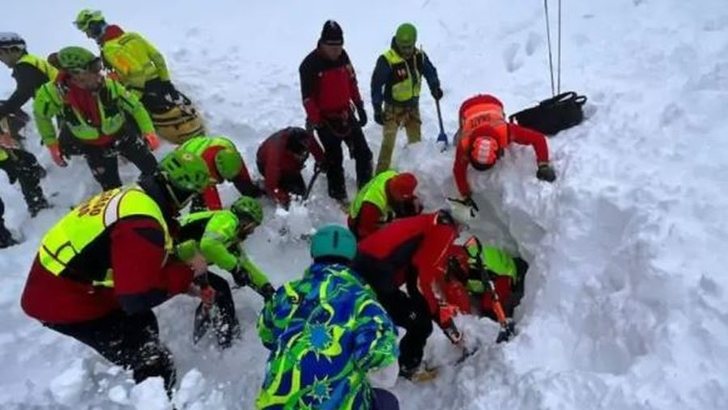
The consequences of climate change could also affect the risks of floods and landslides, according to the report. Landslides and avalanches can block and damage transport infrastructure and disrupt settlements and human activities.
Celeste Saulo, secretary of the World Meteorological Organization, says that preserving glaciers is not only an environmental necessity, but also an economic and social one.