Protests, violence, curfews: From France to Albania, why Europe'...
/ 2026-10-20 23:47:20Focus


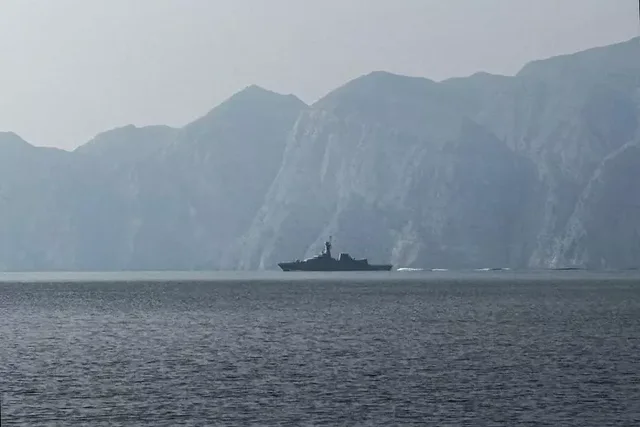
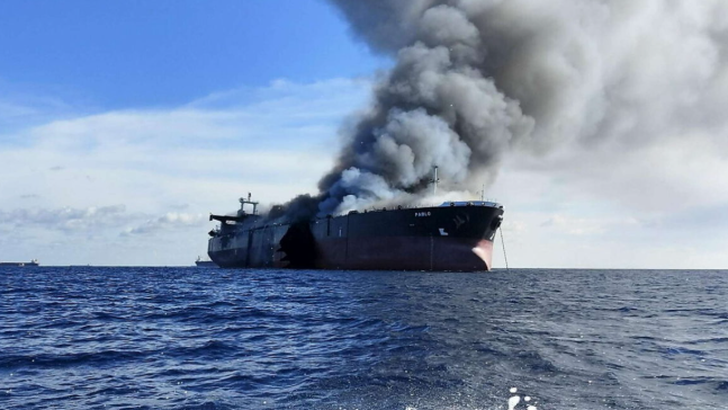
In a move expected to shake up global energy markets, Iran's Revolutionary Guards have officially closed the Strait of Hormuz. This strategic sea route, which has historically been used by Tehran as a tool of blackmail and "bargaining currency" on the geopolitical chessboard, is now completely blocked in the midst of an unprecedented crisis.
A "pinhole" for global energy
The U.S. Energy Information Administration (EIA) considers this strait to be “one of the world’s most important oil chokepoints.” Its geographical and economic importance is immeasurable, as it directly connects the Persian Gulf to markets in Asia, Europe, and North America.
The transit figures speak for themselves about the scale of this crisis.
About a fifth of the oil consumed across the globe passes through this strait, reaching an average of 20 million barrels every day.
Approximately 20% of global liquefied natural gas (LNG) trade, mainly originating from Qatar, has passed through Hormuz in the last year alone.
Over 80% of these energy resources are destined to feed Asian markets.
Who is most severely affected by the blockade?
The closure of this corridor has immediate knock-on effects. China, which is the main beneficiary of Iranian energy exports, ranks among the countries most affected by a prolonged blockade, along with the United States and European economies.
However, the irony of this geopolitical move is that Iran itself could be the biggest victim. International economic analysts have repeatedly called the closure of the Strait of Hormuz a “true economic suicide” for Tehran, cutting off its main source of income.
Decades of threats and lack of alternatives
Using the Strait of Hormuz as a weapon is not new. Since 1979, Tehran has threatened to cut off oil transit on about 20 separate occasions. Tensions escalated sharply after the 2008 crisis and peaked between 2018 and 2022, when Iran and its allies attacked Western oil interests in the United Arab Emirates.
To protect themselves from this constant blackmail, Saudi Arabia and the United Arab Emirates have invested for years in alternative land routes. Riyadh has built pipelines that run from the Gulf to the Red Sea, while Abu Dhabi has built lines that bypass Hormuz and into the Indian Ocean. Despite these strategic efforts, the capacity of these alternative pipelines remains extremely limited, handling only about 2.6 million barrels per day—a drop in the ocean compared to the 20 million barrels that pass through the strait.