Protests, violence, curfews: From France to Albania, why Europe'...
/ 2026-10-20 23:47:20Focus


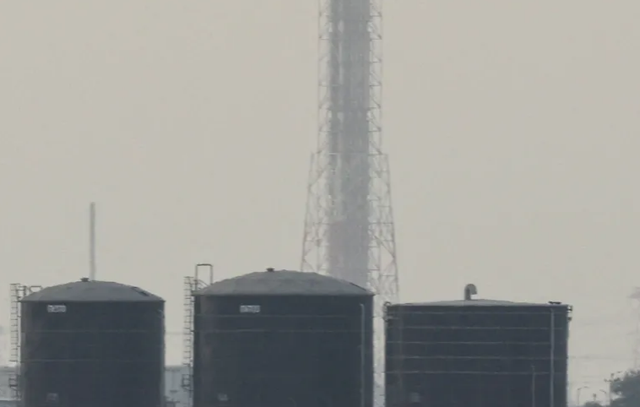
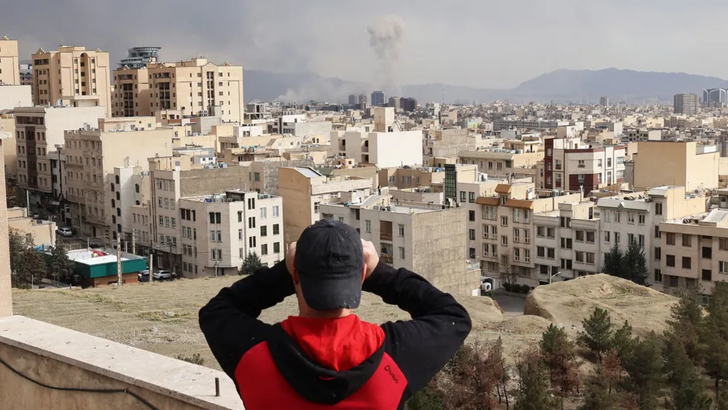
India and Europe are experiencing a deepening energy crisis after the disruption of liquefied natural gas (LNG) supplies from the Gulf, caused by the war between the United States, Israel and Iran.
Indian companies have reduced supplies to domestic industries, while major gas importer Petronet LNG Ltd has notified GAIL (India) and other companies of reduced shipments.
The cuts range from 10% to 30%, forcing corporations like Indian Oil Corp (IOC) to warn customers of supply disruptions.
India, as the world's fourth-largest buyer of LNG, relies mainly on the Middle East.
Qatar, the world's largest LNG producer, suspended production after a drone attack on energy facilities in Mesaieed and Ras Laffan, declaring "force majeure" - a clause that exempted it from contractual obligations due to extraordinary circumstances.
Natural gas prices rose by over 33%, while the Dutch TTF contract, the region's benchmark, saw a strong increase after the supply disruption.
European indices fell sharply, reflecting energy market uncertainty.
The war in the Middle East has also affected the Strait of Hormuz, one of the most critical corridors of global energy transit, driving further price increases.
Experts warn that a shortage of supplies from Qatar, which accounts for 20% of the global LNG market, could prolong the energy crisis. Indian companies are preparing to open spot tenders to make up for the shortage, although transportation and insurance costs have risen sharply.
The US-Israel-Iran conflict is expected to have long-term consequences for global energy markets, while the lack of a diplomatic solution makes the situation even more uncertain.