Protests, violence, curfews: From France to Albania, why Europe'...
/ 2026-10-20 23:47:20Focus


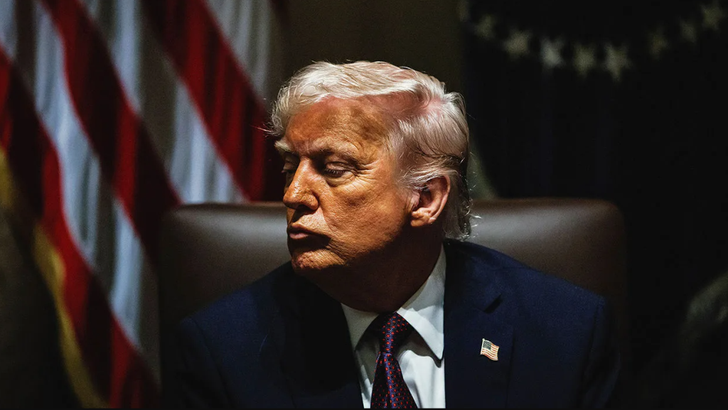
The US Supreme Court has blocked President Donald Trump's administration from deporting suspected Venezuelan gang members to El Salvador under an 18th-century wartime law.
The order to halt the deportation of the men, who remained in detention, came after their lawyers filed an emergency petition, citing an imminent risk of removal without due process.
The decision raises the possibility of another challenge by the Trump administration to the power of the courts, even a constitutional crisis.
Two of the nine members of the Supreme Court dissented from the ruling. The court issued the ruling after an urgent appeal filed by the American Civil Liberties Union (ACLU), which alleged that immigration authorities were moving to resume removals.
The Trump administration has used the law to deport suspected members of Venezuela's Tren de Aragua criminal gang. The deportations included dozens of Venezuelans held in Texas detention.
Of the 261 Venezuelans deported to El Salvador since April 8, 137 were deported under the Alien Enemies Act. A lower court temporarily blocked those deportations on March 15. The Supreme Court initially ruled on April 8 that Trump could use the Alien Enemies Act to deport suspected gang members, but that the deportees must be given a chance to challenge their removal.
The act passed in 1798, last used in World War II, gives the US president sweeping powers to order the detention and deportation of natives or citizens of an "enemy" nation without following the usual processes.
The Tren de Aragua gang, which the US administration recently designated a foreign terrorist organization, is accused of sex trafficking, drug smuggling and murder in major US cities. US immigration officials said the detainees were “carefully vetted” as gang members before being sent to El Salvador, under an agreement with the Central American country.