Is this police force professional and capable of handling violen...
/ 2026-10-16 18:54:07Focus


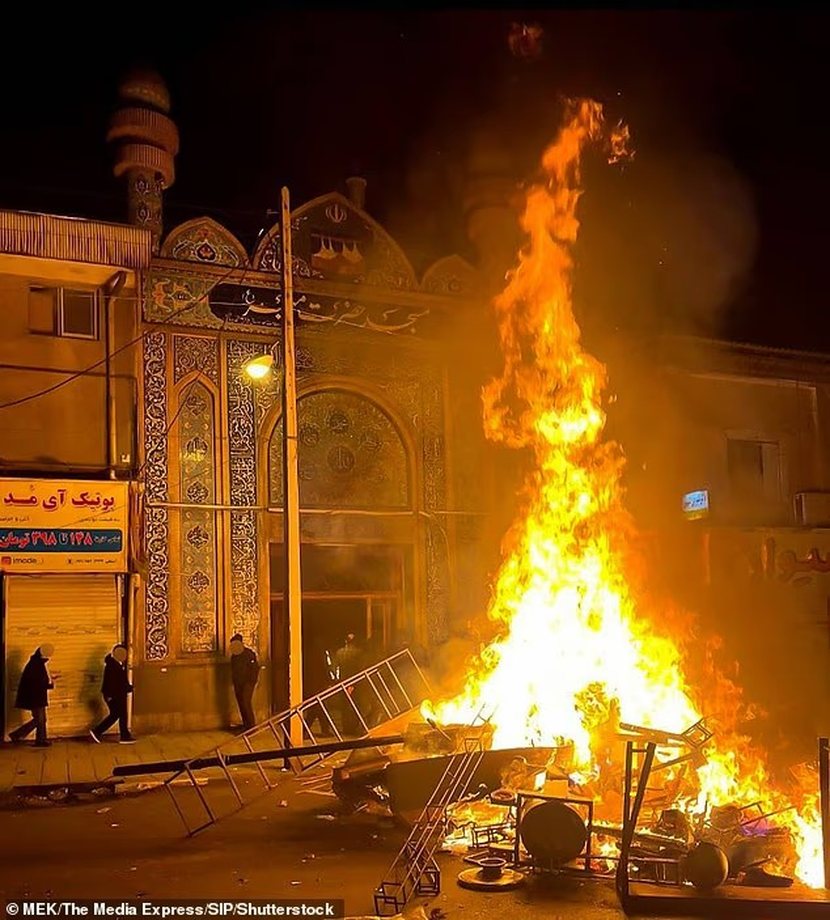
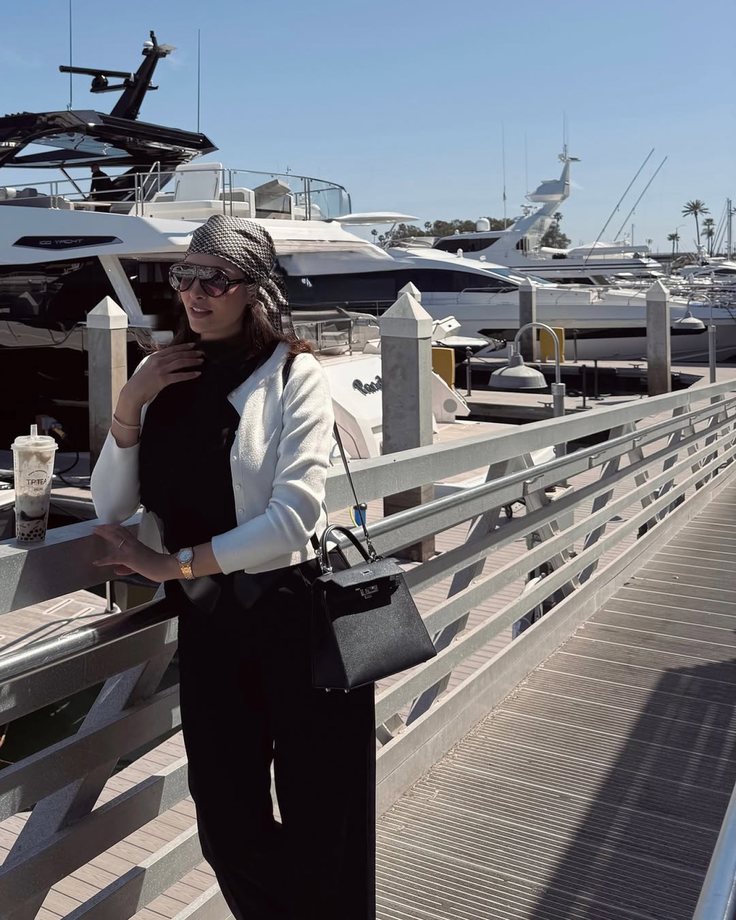
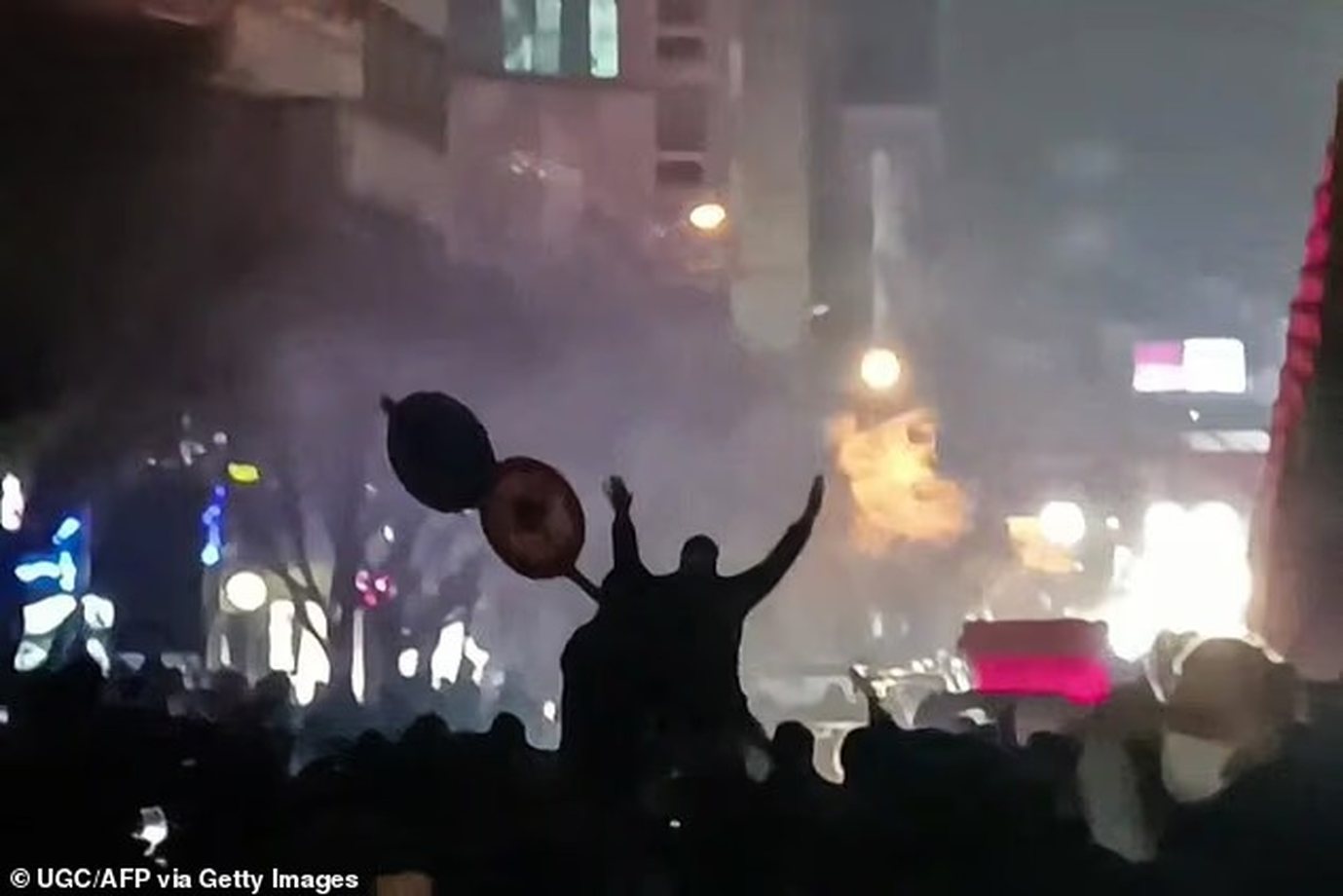
Lives of unbridled luxury, openly displayed on social media, seem to be what the sons and daughters of Iran's ruling elite are doing, at a time when thousands of ordinary Iranians are being killed just for daring to challenge the regime and protest against poverty and dire economic conditions.
While the suppression of anti-regime protests is extremely violent, with at least 5,000 killed according to Iranian authorities and around 16,500 according to independent organizations, the children of senior clerics, ministers and security chiefs remain shielded from the bloodshed, living in luxury inside or outside the country.
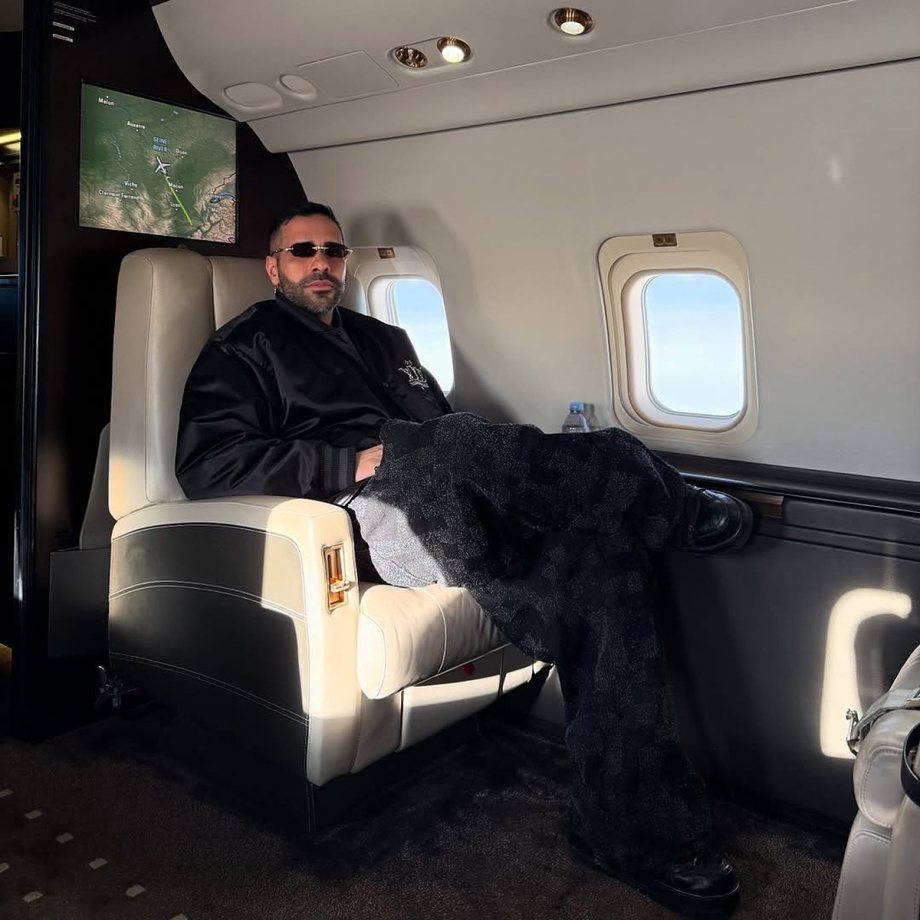
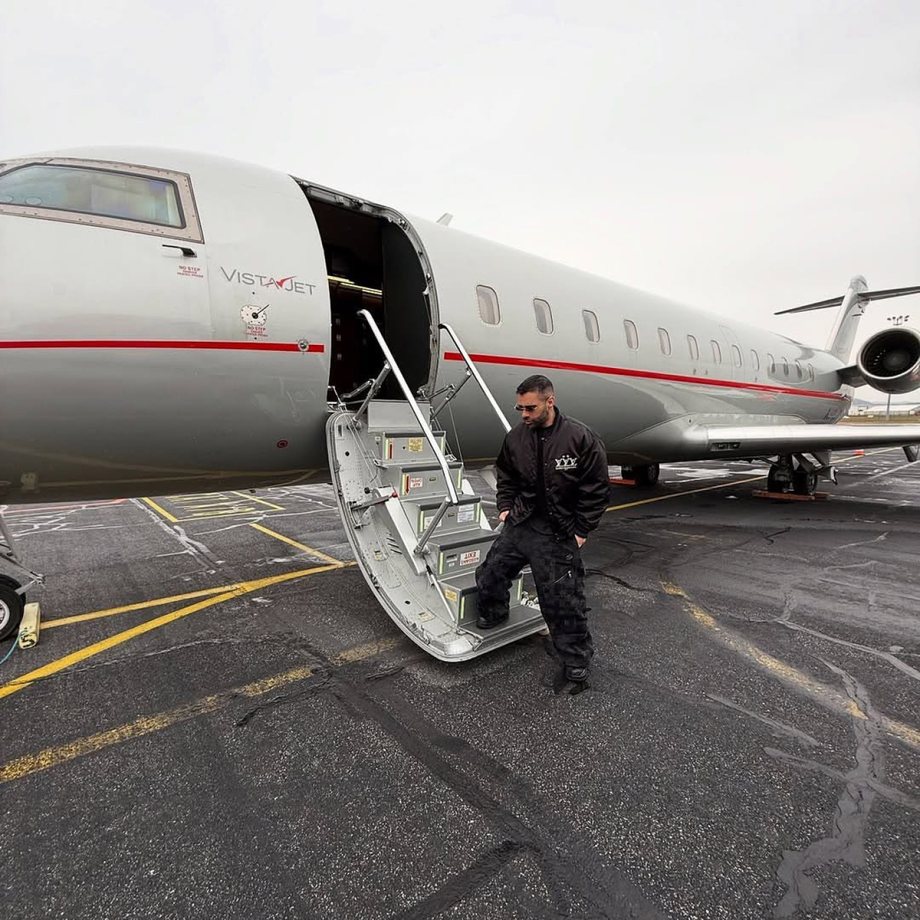
According to the Daily Mail, the sons and daughters of the people who control Iran continue to pose with luxury designer handbags, supercars and private jets.
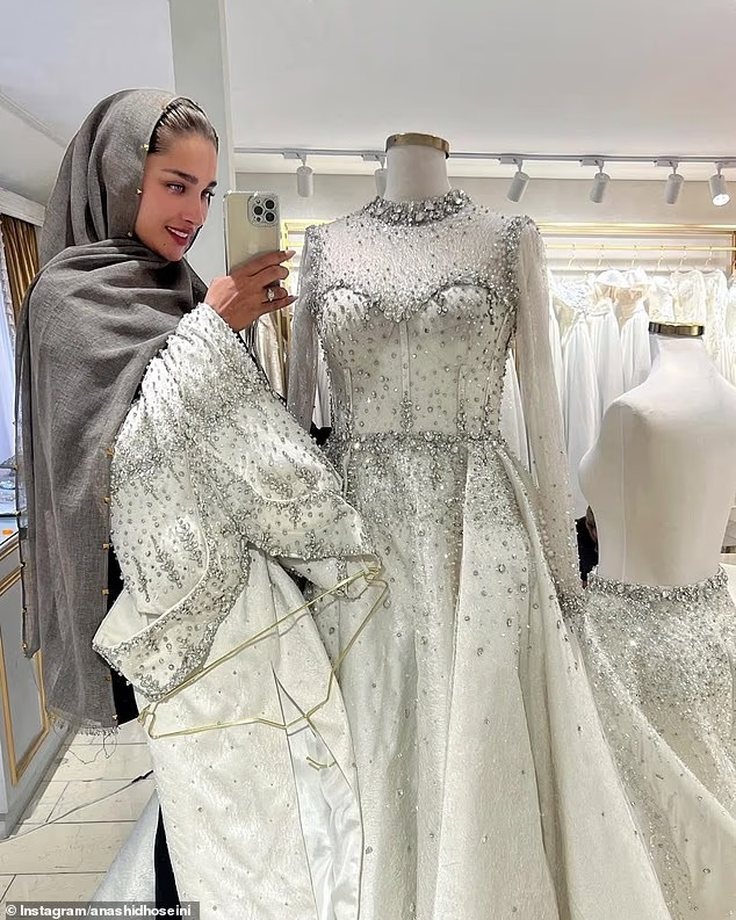
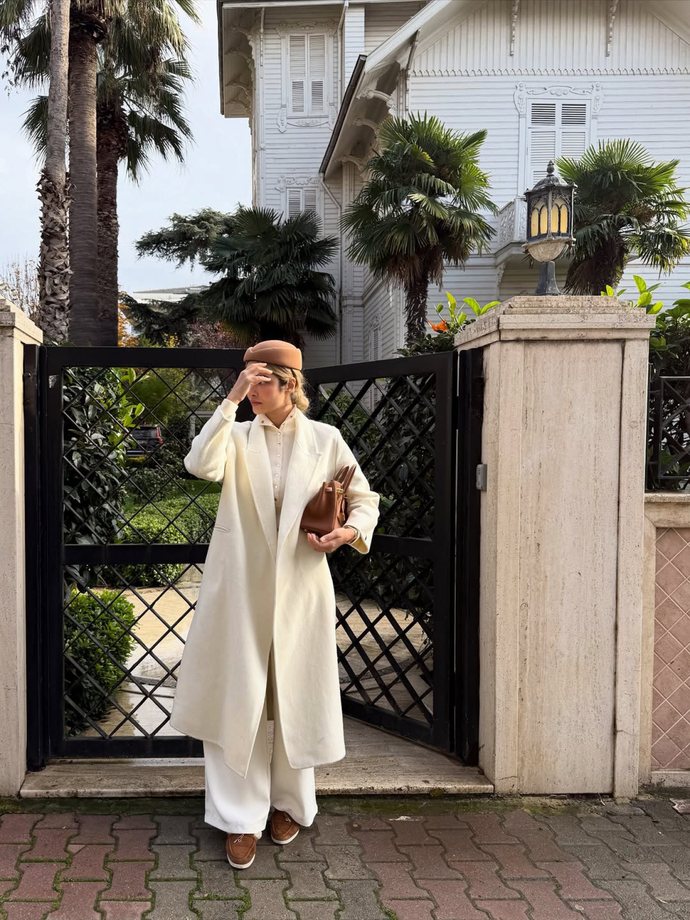
Just a week before the unrest broke out, model and fashion designer Anashid Husseini posted photos online showing her wearing an expensive cashmere coat and a handbag, the value of which, according to critics, exceeds the annual income of many Iranians.
"Aghazadeh", the privileged children of power
Husseini is married to the son of Iran's former ambassador to Denmark and has become a symbol of elite excess, sparking public outrage.
She belongs to a group called "aghazadeh," a term used for the children of senior regime officials who benefit from political power, corruption, and wealth created through the circumvention of sanctions.
Hussein is not an isolated case. Other children of the Iranian elite live abroad, manage businesses and own wealth that exceeds the capabilities of the Iranian economy.
Among them are Mohammad Hossein Shamkhani and his brother Hassan, known as “Hector,” based in Dubai, who run a global shipping empire. Their father, Ali Shamkhani, was the Islamic Republic’s former security chief and a senior adviser to supreme leader Ayatollah Ali Khamenei.
"Their lifestyle has angered Iranian citizens, especially Generation Z, because they see how these rich kids live, without any kind of accountability," said Ella Rosenberg, a senior fellow at the Jerusalem Center for Foreign Affairs, specializing in Iran and terrorist financing.
"Their families, parents and grandparents, make sure their lives in Iran are easy and filled with luxury," she added.
Khamenei's relatives abroad
Khamenei has several relatives living in Britain and France, including his nephew Mahmoud Moradkhani, while the grandchildren of the founder of the Islamic Revolution, Ayatollah Khomeini, are settled in Canada.
The brother of Ali Larijani, secretary of Iran's Supreme National Security Council, teaches cybersecurity in Scotland, while former President Hassan Rouhani's children live in Austria and studied at Oxford.
About 5,000 "aghazadeh" live in the US
According to a former Iranian minister, around 5,000 "aghazadeh" live in the United States, Iran's greatest enemy, called by the regime the "Great Satan."
One of the most well-known examples is Sasa Sobhani, the son of the former Iranian ambassador to Venezuela during Ahmadinejad's presidency.
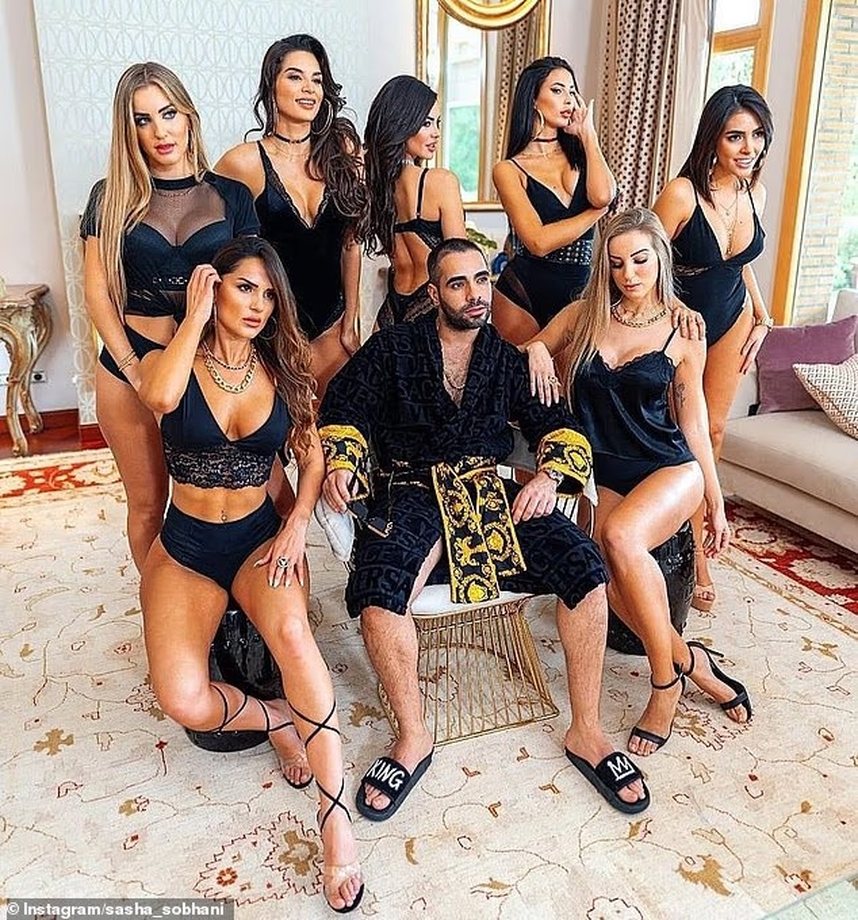
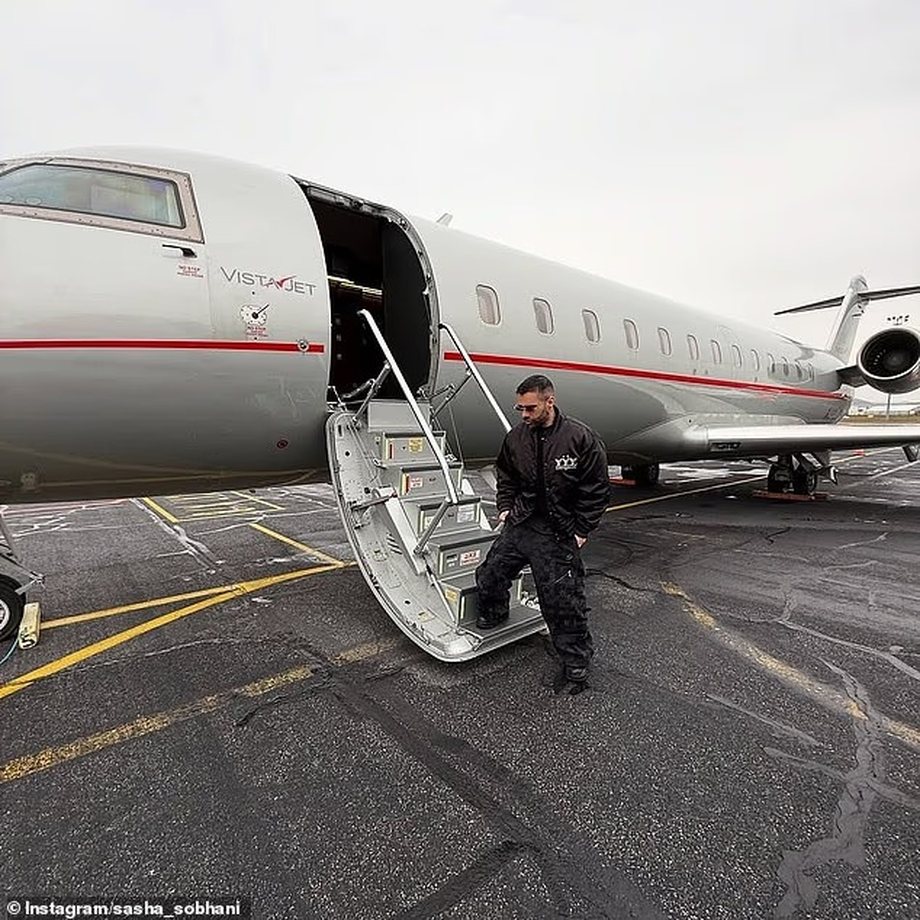
Sobhani has an Instagram account with millions of followers, where he displays luxury yachts, private jets, expensive cars and extravagant parties with half-naked women, causing great anger in Iran.
Unlike many members of the elite who keep a low profile, Sobhani has repeatedly provoked his critics. After exposing his lavish lifestyle, he has sought to distance himself from Tehran, which has sought his extradition from Spain on charges that include operating illegal gambling sites, money laundering and organizing rave parties. He denies the charges.
During the unrest, wealthy Iranians were seen traveling to Turkey to party and socialize away from the violence. This was due to fears that they could be targeted during the protests.
Van province, in eastern Turkey, bordering Iran, has become a favorite destination, where members of the Iranian elite frequent bars and nightclubs, while in their homeland protests were violently suppressed.
Deep contrasts within Iran
Despite Western sanctions on the regime, the lifestyle of the Iranian elite appears to remain largely intact, both at home and abroad.
In the wealthy neighborhoods of northern Tehran, such as Elahieh, often compared to Beverly Hills, luxury cars drive past expensive cafes, signature boutiques and modern residential towers, creating a stark contrast to the economic hardships of the majority of the population.
The sanctions have hit the broader economy hard, prices have risen sharply and wages have fallen.
However, critics of the regime point out that the most serious consequences have not been felt by those at the top of the system.