Protests, violence, curfews: From France to Albania, why Europe'...
/ 2026-10-20 23:47:20Focus


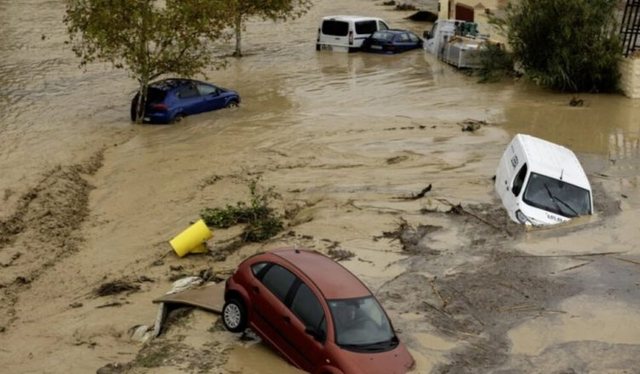
Since its last review in 2014, the EU Solidarity Fund (EUSF) has been criticized for its limited scope and slow disbursement, which often fails to meet the immediate needs of affected communities. The fund aims to restore vital infrastructure and support reconstruction.
Established in 2002, the EU Solidarity Fund (EUSF) is facing increasing criticism, mainly due to financial constraints and inefficiencies. It was once a beacon of hope for disaster-stricken regions of Europe. With climate-related disasters occurring at an increased rate, the fund's current financial structure is coming under pressure. Its annual budget of €500 million is considered insufficient, leading to calls from policymakers and affected communities for a fundamental review of the Fund's financial mechanisms.
In a European Climate Risk Assessment report published earlier this year, Julie Berckmans of the European Environment Agency called for reform of the Fund, among other recommendations. Fund resources are depleted every year due to the sheer number and scale of climate-related events. "According to forecasts, the damage caused by coastal flooding alone could rise to €1 trillion per year by the end of the century," she explained.
Stefan Appel, Head of the Financial Instruments Unit at the European Commission, agrees. In his opinion, the EUSF's financial resources are insufficient when several disasters occur at the same time. In 2021 and 2022, floods in several EU countries exceeded the Fund's budget allocations, which led to cuts in the financial assistance provided. As a rule, the EUSF can only insure up to 6% of the total damage caused. The 612.6 million euros that Germany received correspond to about 1.5% of the estimated damages of 40.5 billion euros.
According to Appel, the EU Solidarity Fund is not designed to be an emergency fund, but a solidarity mechanism subject to complex administrative procedures. "Even if everything goes well, it takes at least four months from application to disbursement," he explained. This delay, exacerbated by the assessment processes required to authorize funds, is often at odds with the immediate financial needs that follow disasters.
The EUSF's bureaucratic complexity not only slows down the disbursement process, but also complicates transparency and accountability. "Joint management" of the fund means that while the EU framework is in place, actual implementation is managed by national and regional authorities. This can lead to significant differences in how funds are used and reported. This transparency problem becomes even more serious when funds are misdirected or held at higher levels of government, such as in a recent scandal uncovered in Germany.
In July 2023, it was revealed that €612.6 million intended for flood victims in regions such as Rhineland-Palatinate and North Rhine-Westphalia had not been transferred to the affected municipalities. Instead, they remained in the federal budget. This misallocation of funds drew harsh criticism from local and regional authorities and revealed a substantial gap between the allocation of EU funds and actual needs on the ground.
Stefan Appel from the European Commission also recognizes these challenges, saying: "It is unfortunate that it is unclear to people where the money goes." For him, this highlights the urgent need for more transparency and accountability in the handling of the EUSF. EUSF regulations make reconstruction even more difficult, as funds may not necessarily be used to improve infrastructure sustainability.
Current regulations limit funding to immediate reconstruction. They often do not include improvements that would make the structures more resilient to future disasters. This regulatory framework hinders the EU's ability not only to respond effectively to disasters, but also to proactively improve infrastructure.
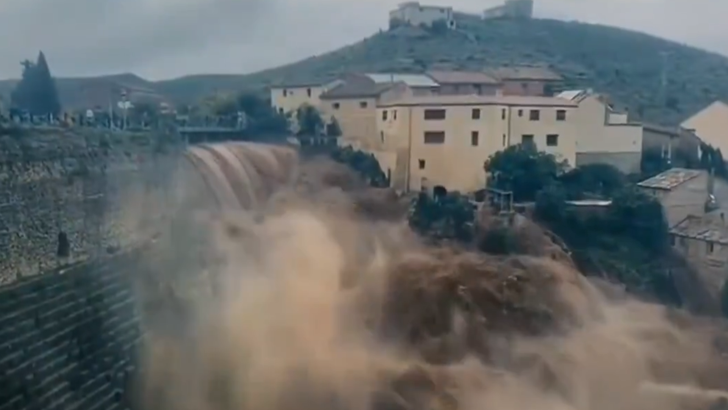
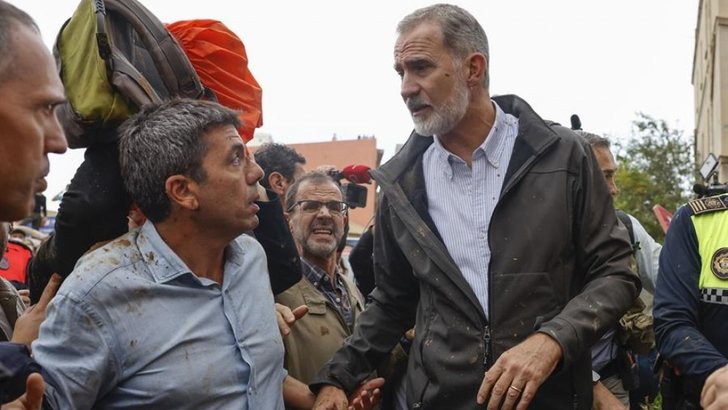
The recent floods in Germany, Italy and Spain show how crucial the EU Solidarity Fund is for crisis management in Europe. Following the severe floods that hit Bavaria, Baden-Württemberg and the Aosta Valley in May and June this year, the Commission made €116 million available in response.
About 112 million euros of this amount will go to Germany and a little less than 4 million euros to Italy. The regions of Emilia-Romagna and Tuscany, which were affected by severe flooding last year, are now also receiving support. However, these amounts represent only a fraction of the billions in damages caused. Currently, Spain is also waiting for support to be provided.
This year's European elections offered reasons for optimism that reforms to the Solidarity Fund may still be imminent. Indeed, a recent resolution passed by MEPs called for an expansion of the EUSF budget in order to strengthen Europe's resilience to climate-related disasters. "We need to further develop a structure to deal with extreme weather," said Elisa Ferreira, EU Commissioner for Cohesion and Reform. "The Solidarity Fund is a powerful sign of European unity and people in the affected regions can count on this support."